Proof of Work is what makes Bitcoin secure. For us, though, it's more than tech. It's a principle we keep running into in training, at work and when we make our pieces. Once you understand how Bitcoin mining works, you start seeing the pattern everywhere. So first we'll explain the tech, and then why it means so much to us.

What is Proof of Work? A simple explanation
To add a new block to the Bitcoin blockchain, miners have to solve a puzzle that can only be cracked by trial and error. That takes a lot of computing power, and with it a lot of electricity. There's no shortcut.
Miners bundle new transactions into a block and run it through an algorithm called SHA-256 to get what's known as a hash. A hash only counts if it's below a target value set by the network. To find one, miners keep changing a number in the block and recalculating, a single machine hundreds of trillions of times per second. Whoever finds a valid hash first gets to add the block and receives the block reward plus the transaction fees. Every 2,016 blocks, roughly every two weeks, the network adjusts the difficulty so that a new block comes along every ten minutes on average. Checking the work, on the other hand, takes a fraction of a second. That's the whole trick: hard to produce, easy to verify.
This is why Bitcoin is so hard to attack. Anyone who wanted to rewrite the transaction history would have to redo all that work, and do it faster than all the other miners combined. The more computing power there is in the network, the more expensive that gets. Bitcoin has been running like this since 2009, with no central authority needed to keep it secure.
Work, not holdings
Many other networks use Proof of Stake. There, participants lock up coins as collateral, and the more you lock up, the more often you get to create new blocks and the bigger your reward.
To be fair, mining today isn't a hobby you can do on a laptop any more. You need specialised machines and cheap electricity, so you need capital too. But nobody can stop you from joining in, and the reward depends on the work you put in now, not on the coins you already own. That's one of the reasons why, for us, Bitcoin is not crypto.
Training works the same way
In training, only one question counts in the end: did you do the work? If you train regularly, you'll see results at some point. If you don't, you won't. We still haven't found a trick that gets around that.
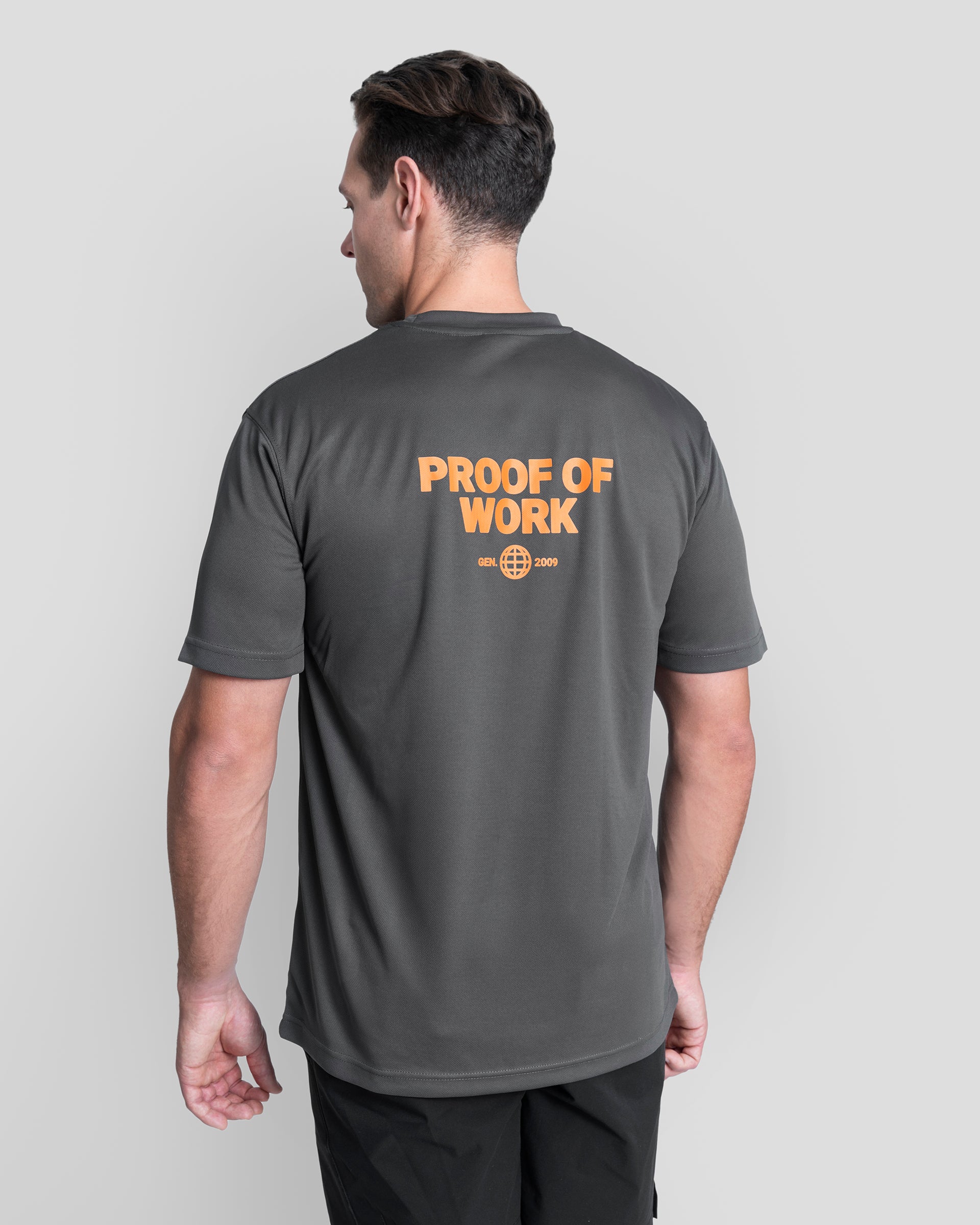
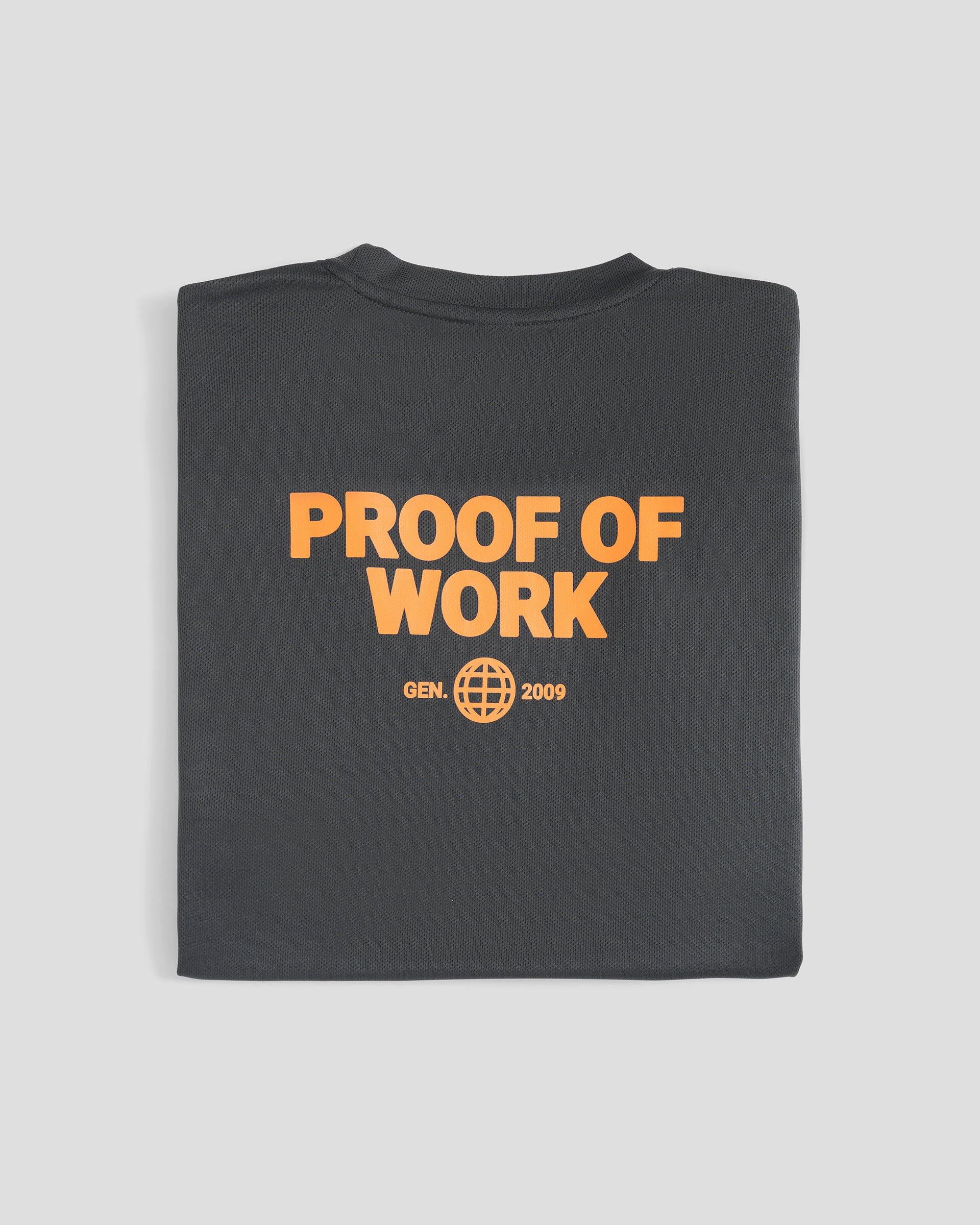
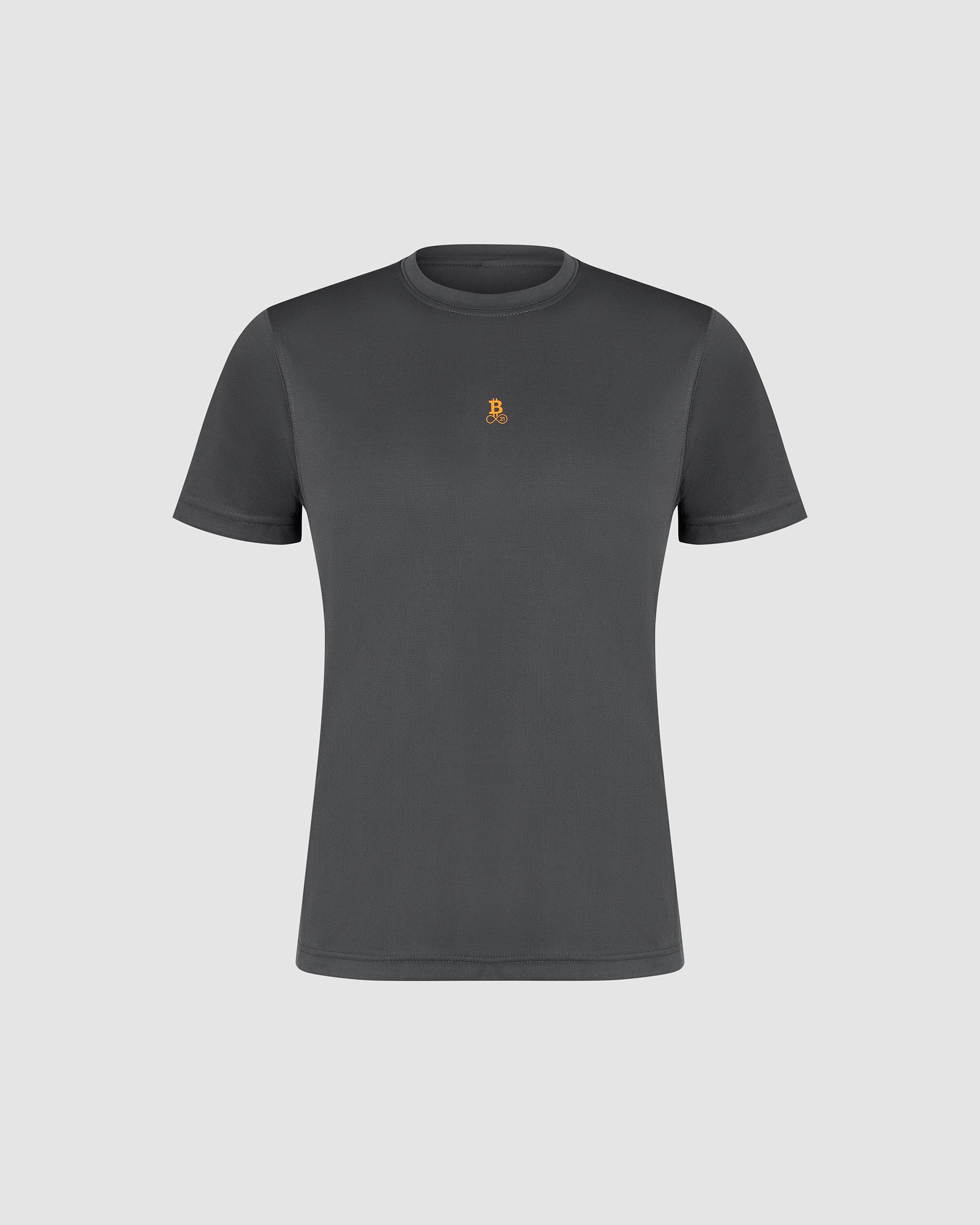
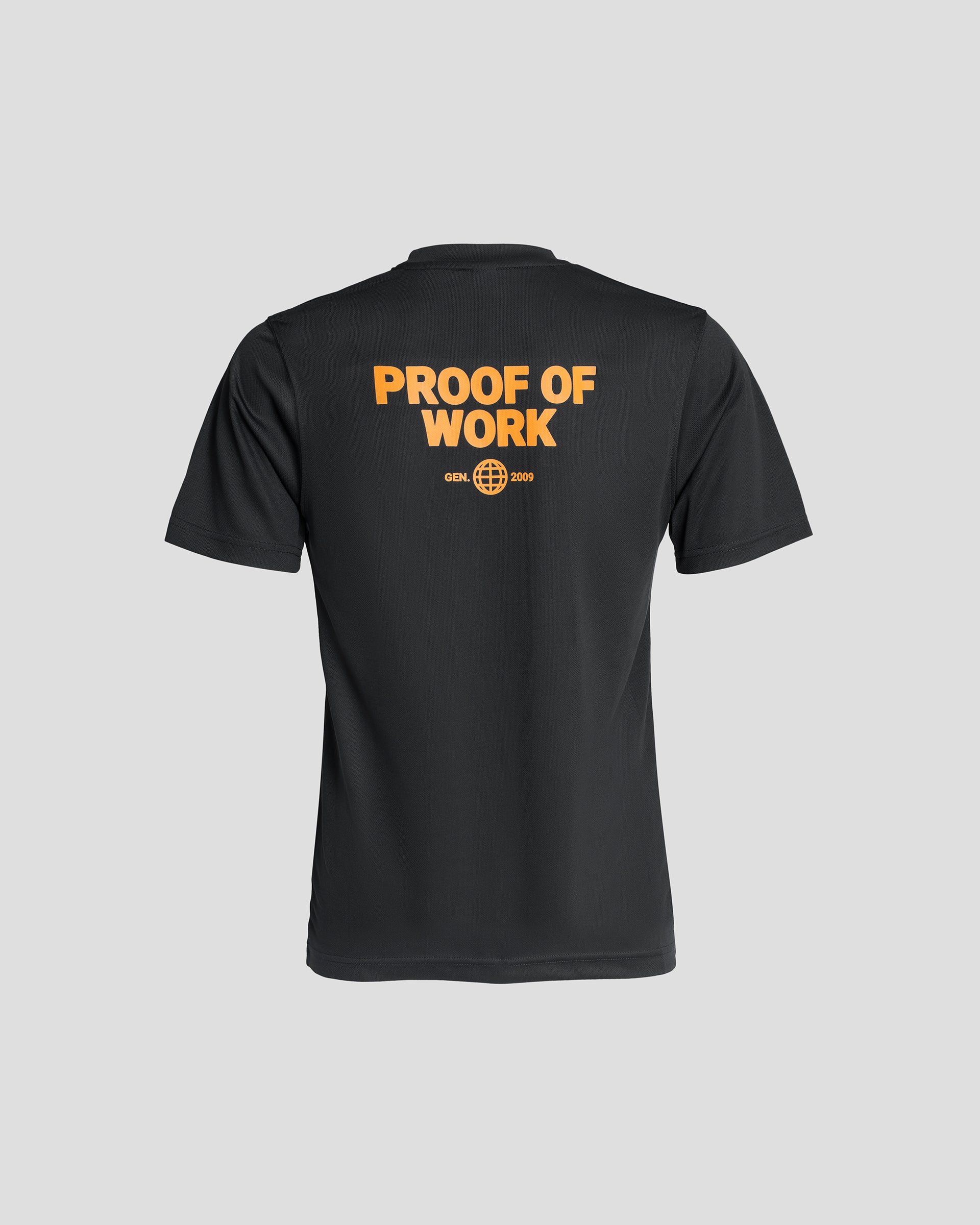
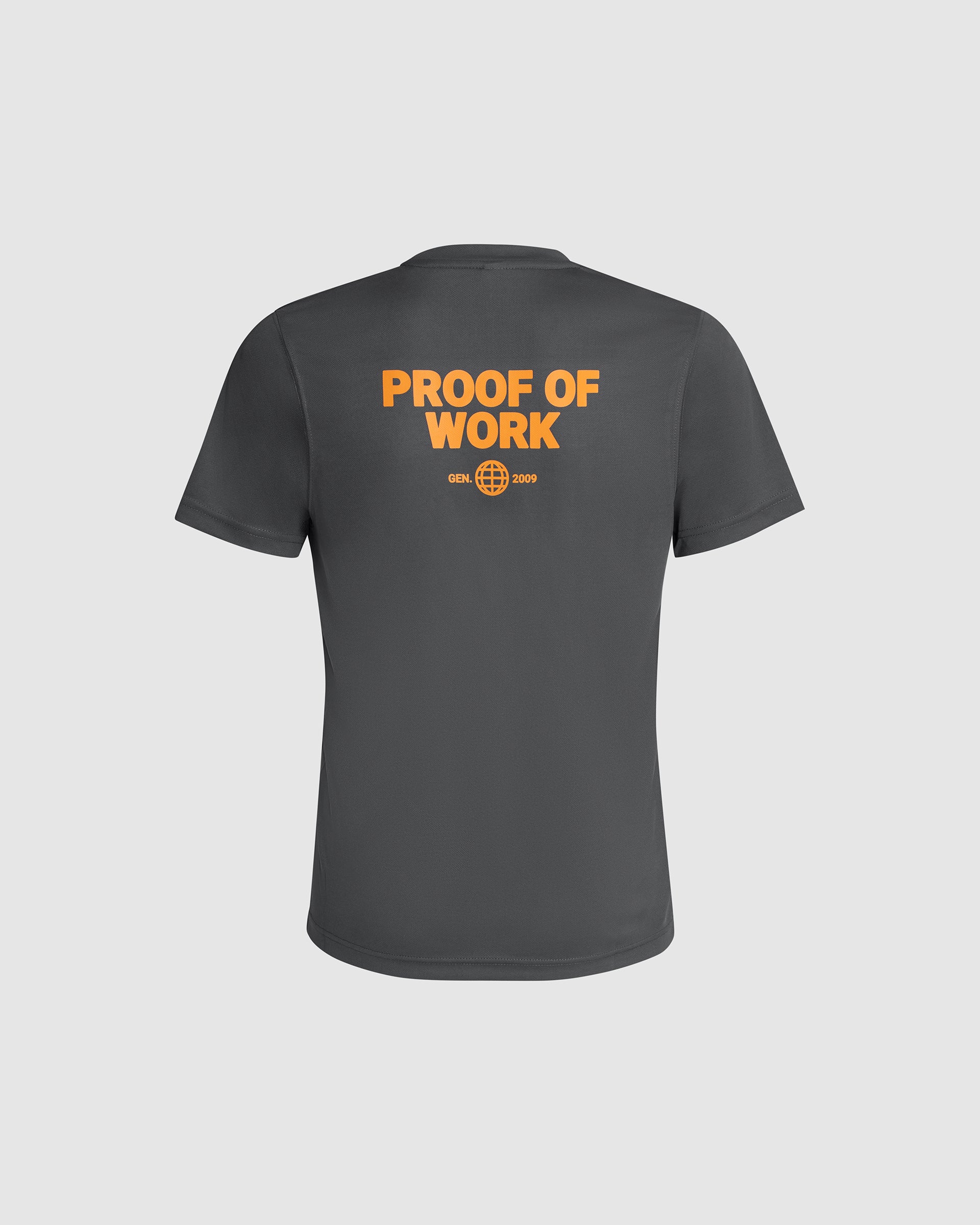
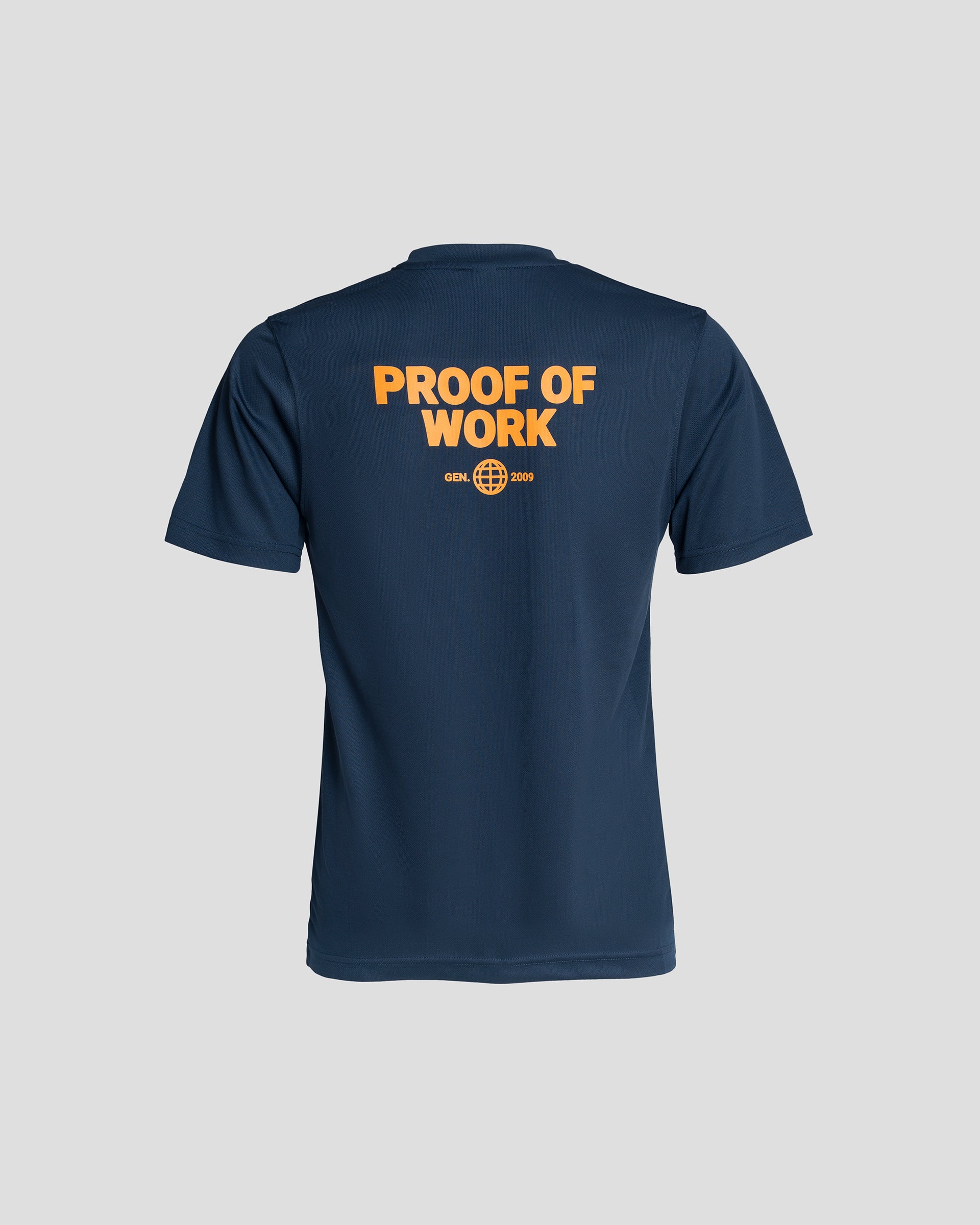
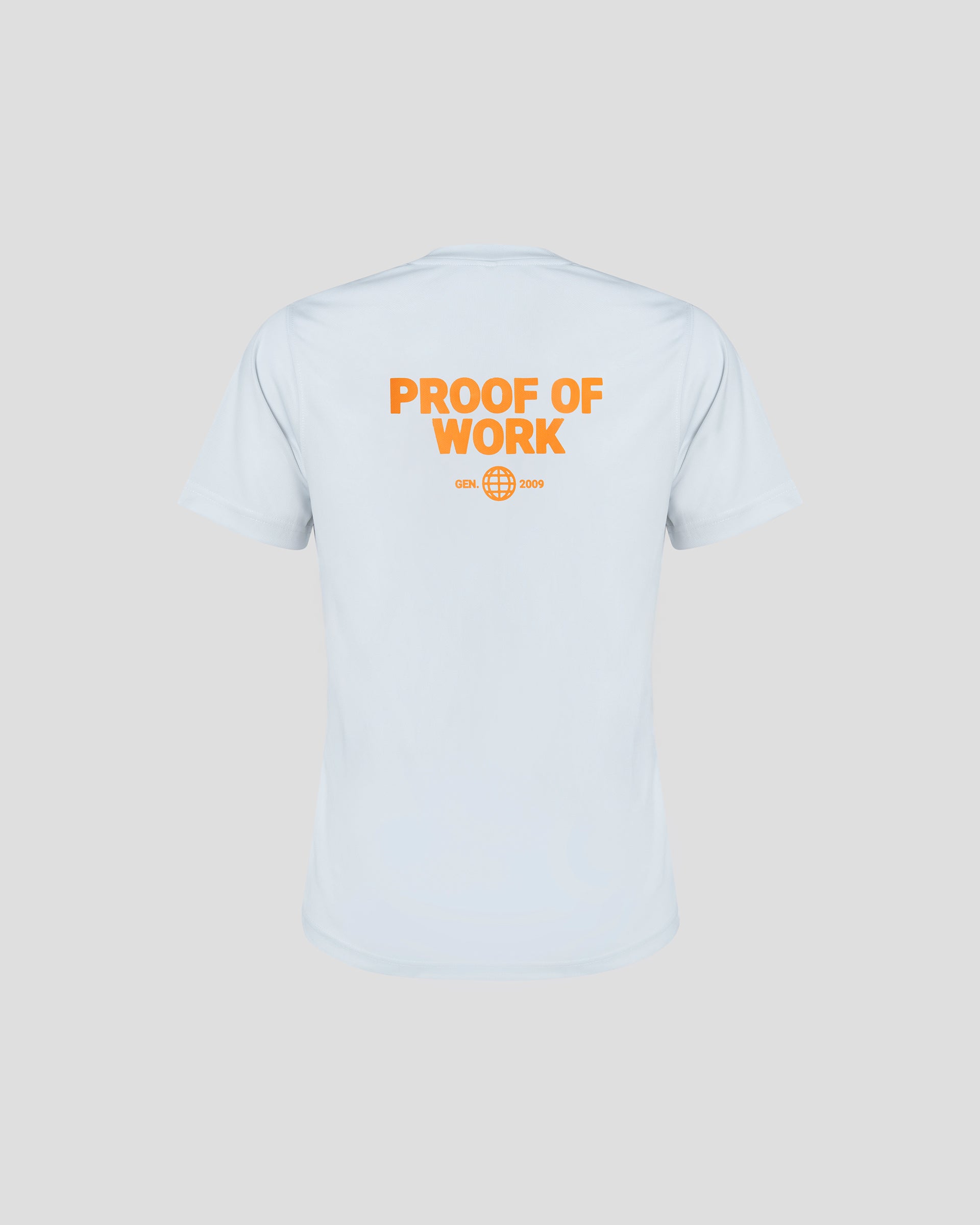
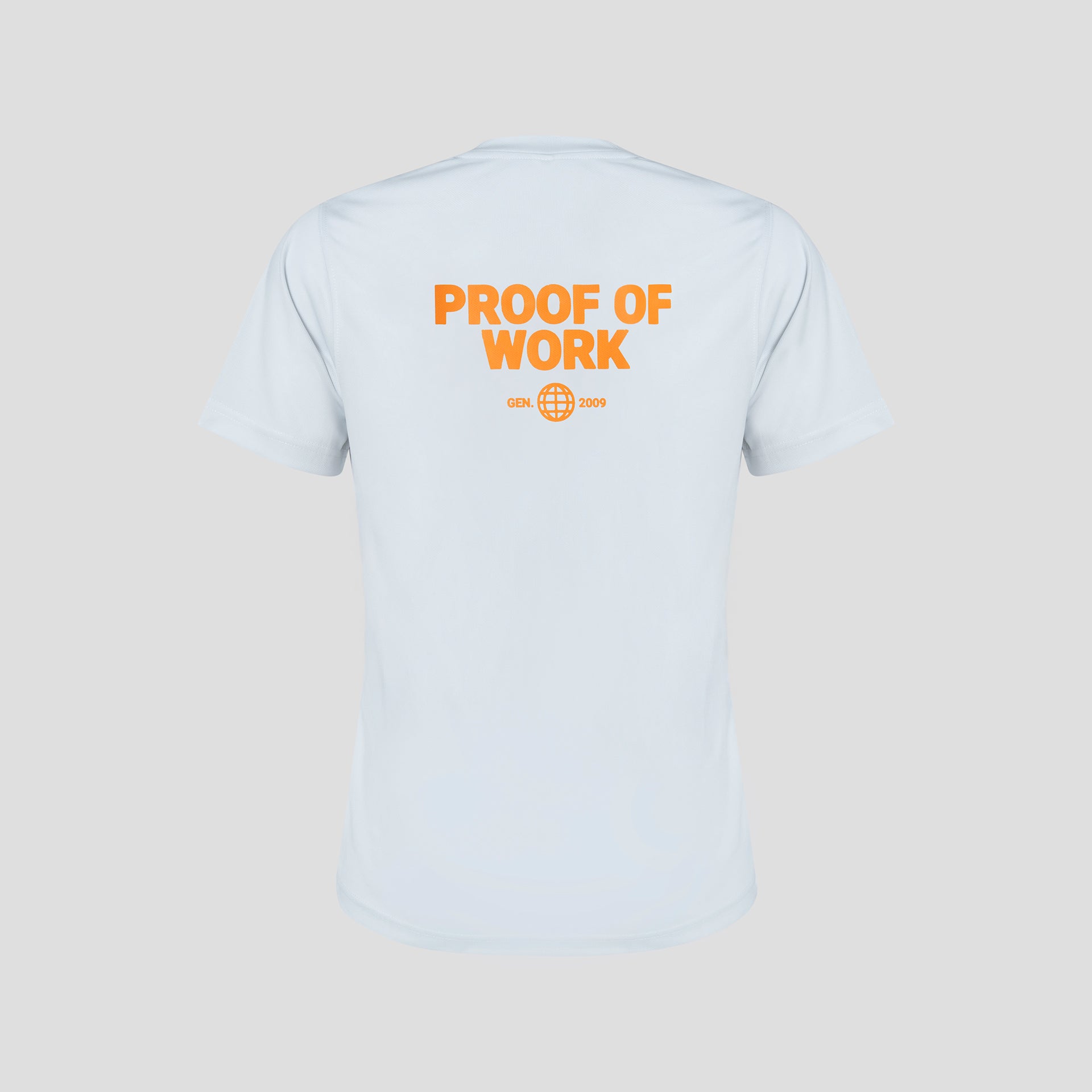
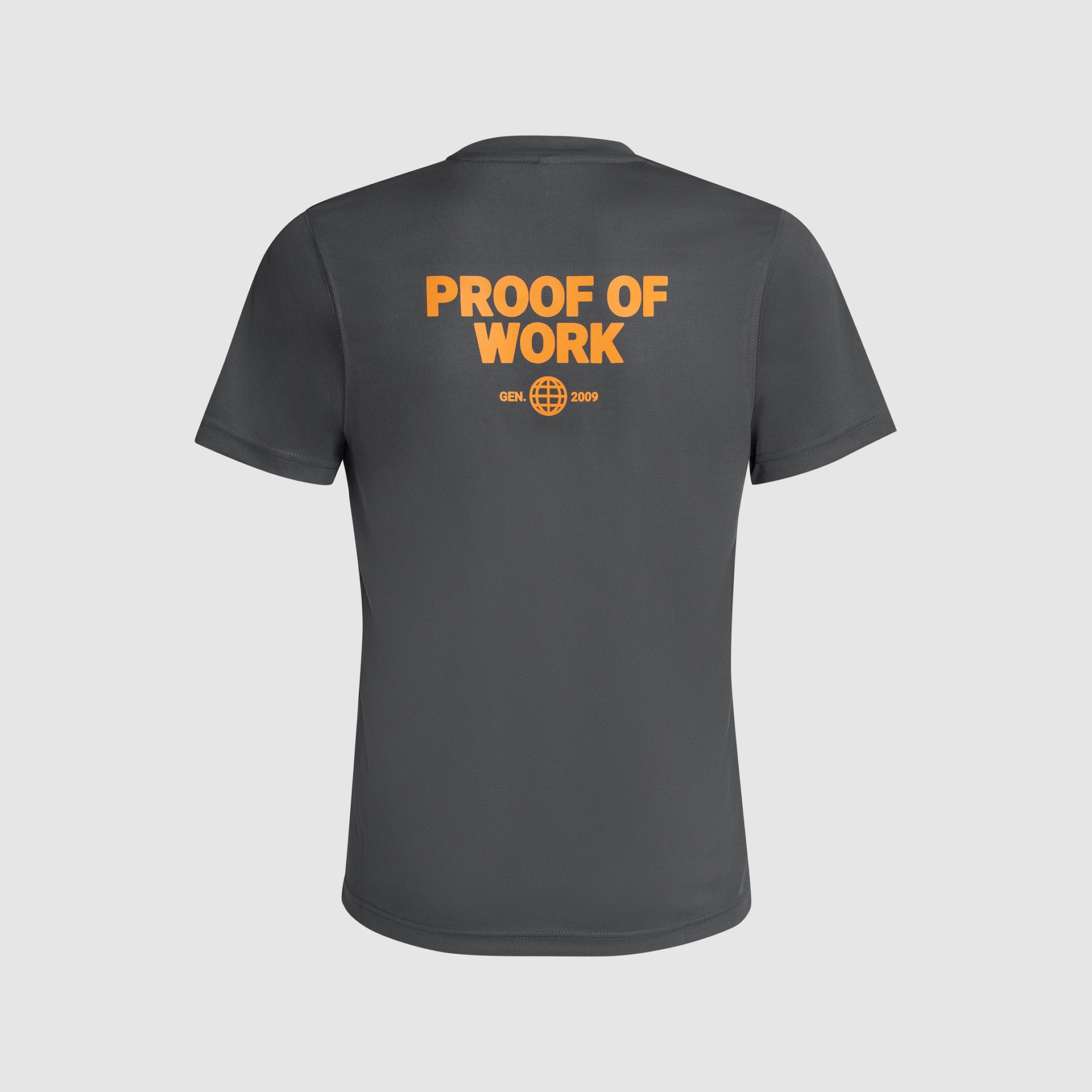
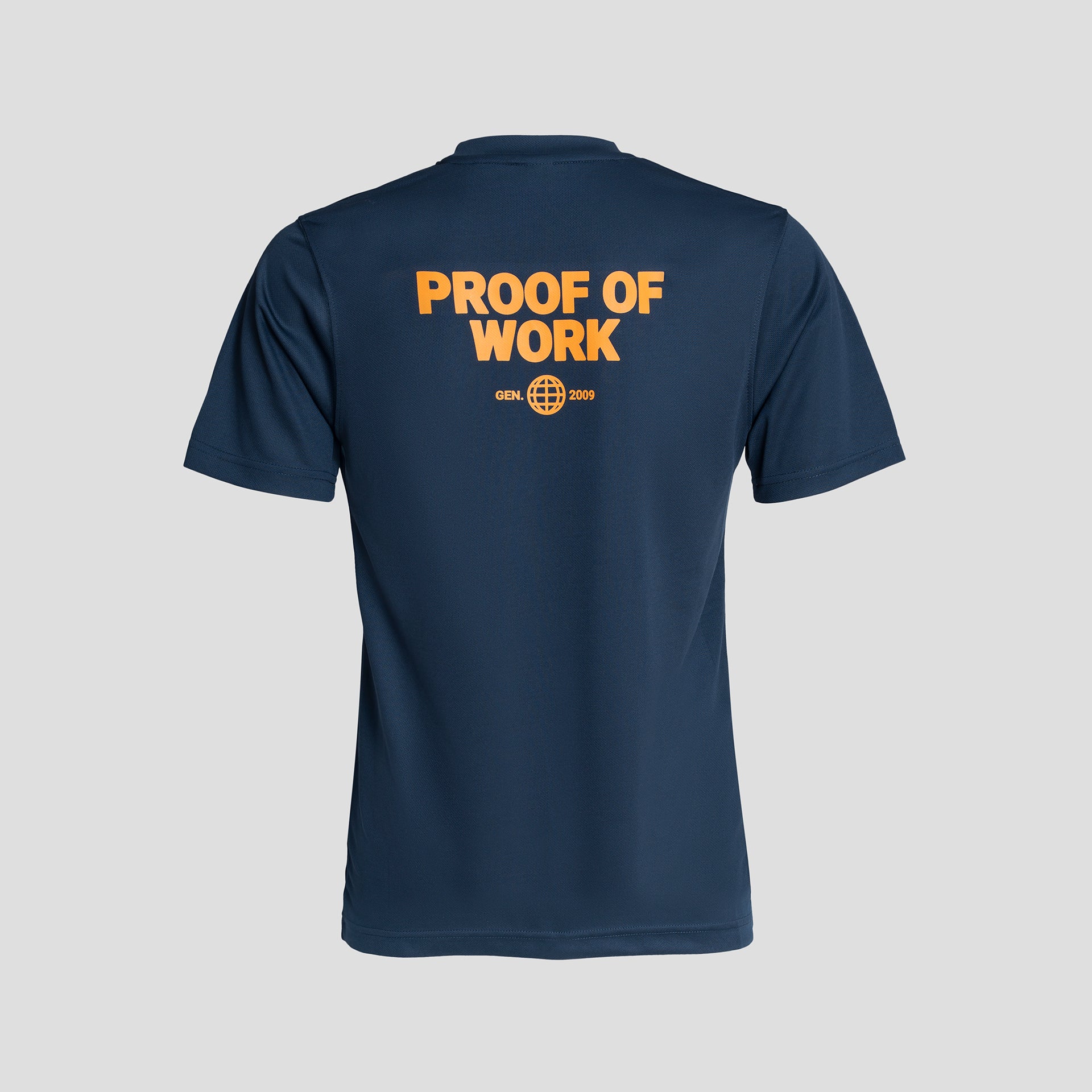
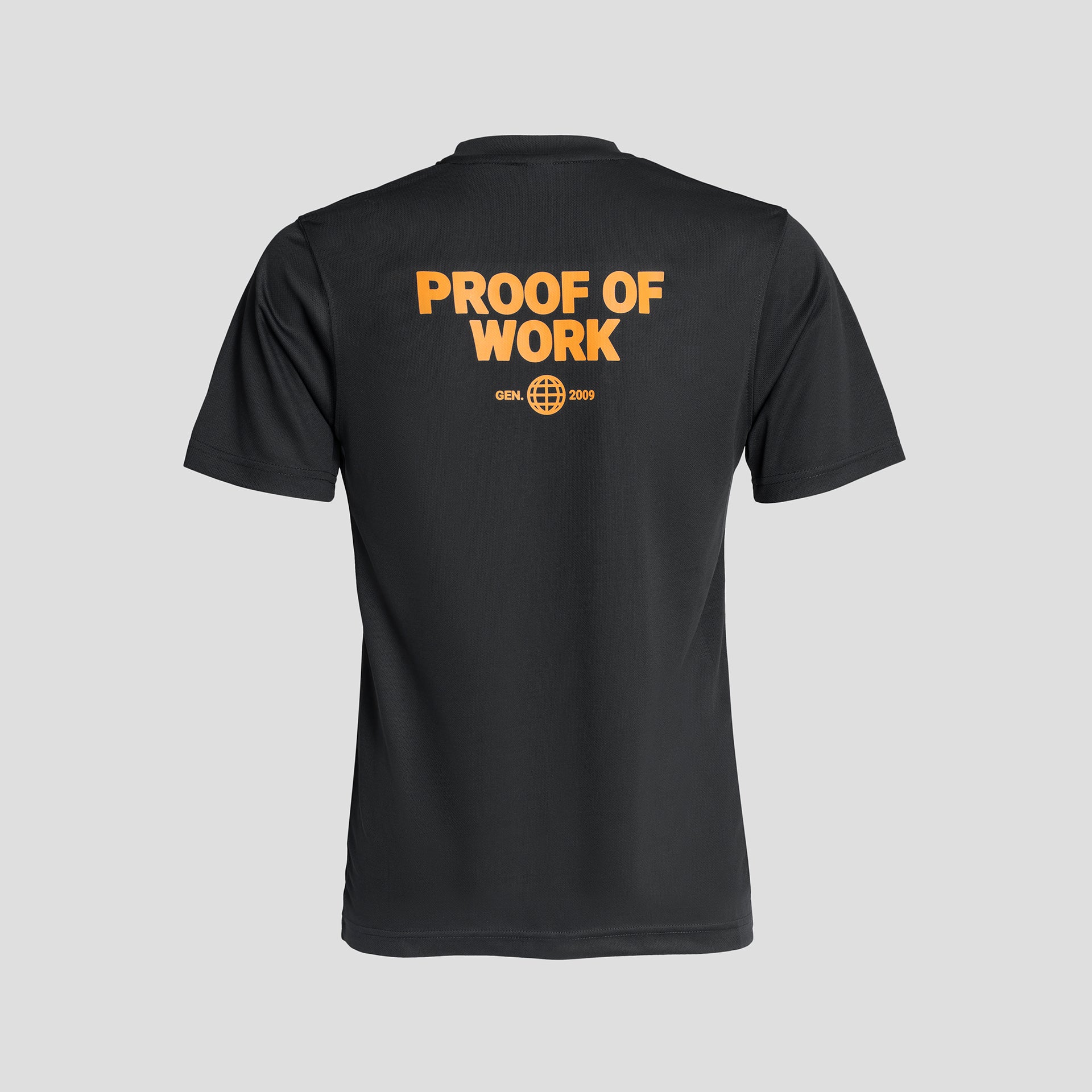
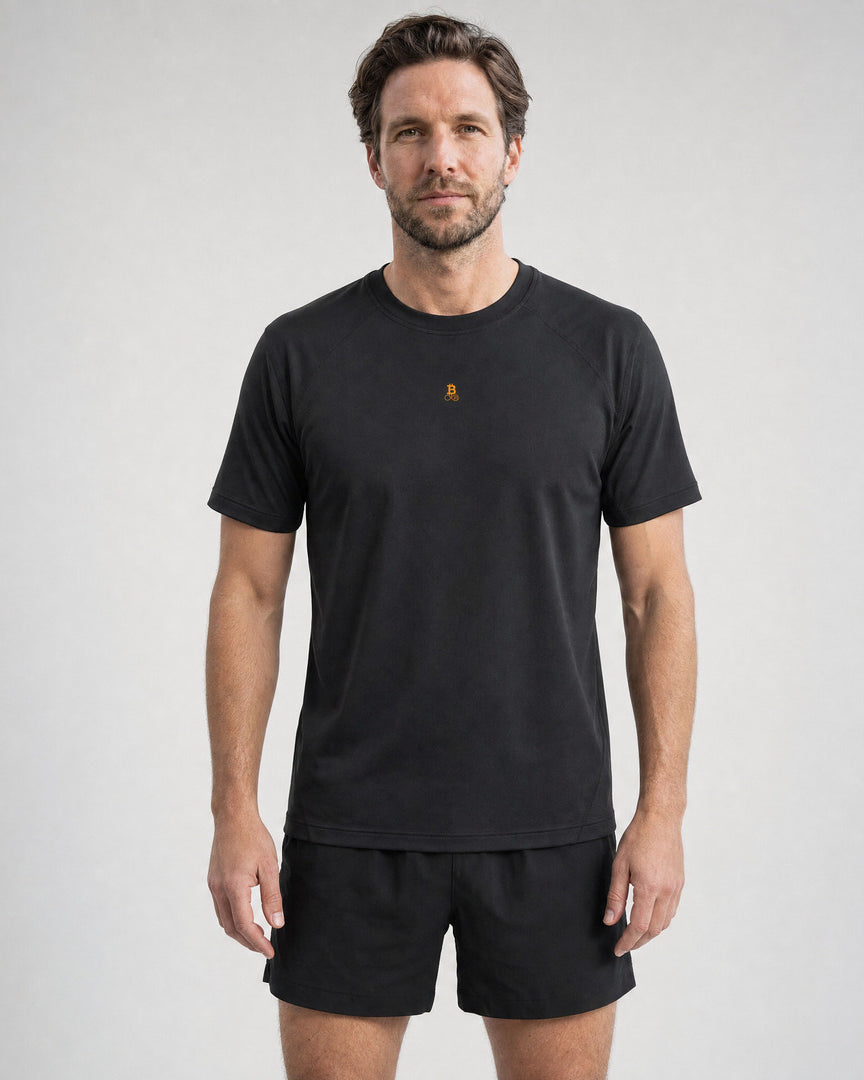
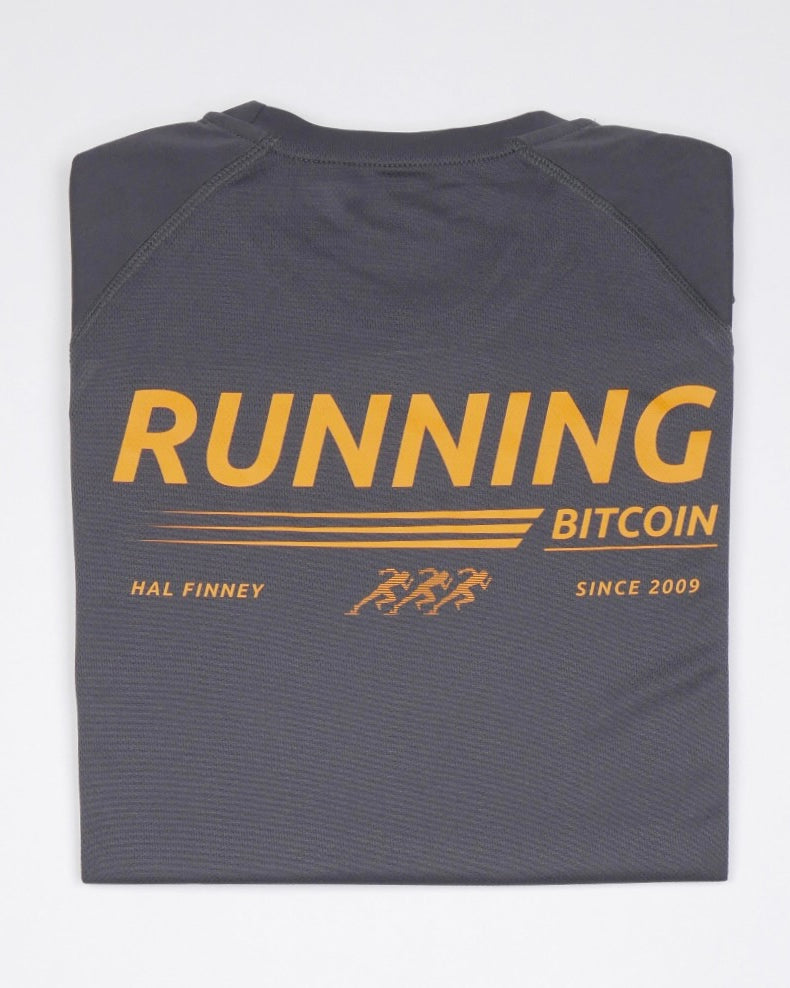
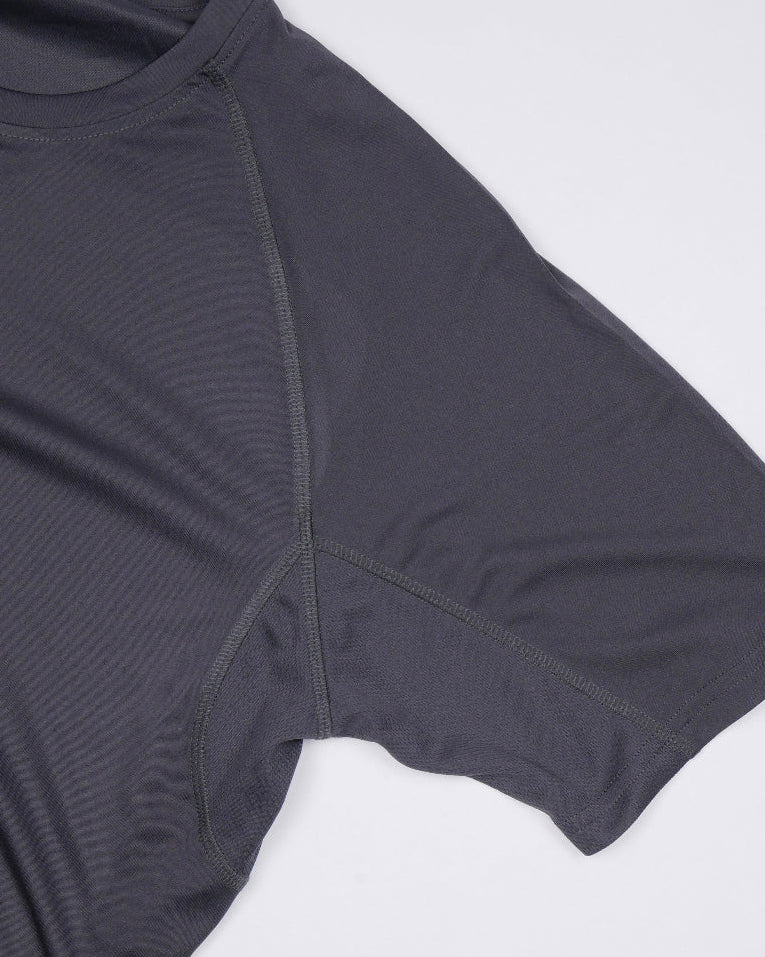
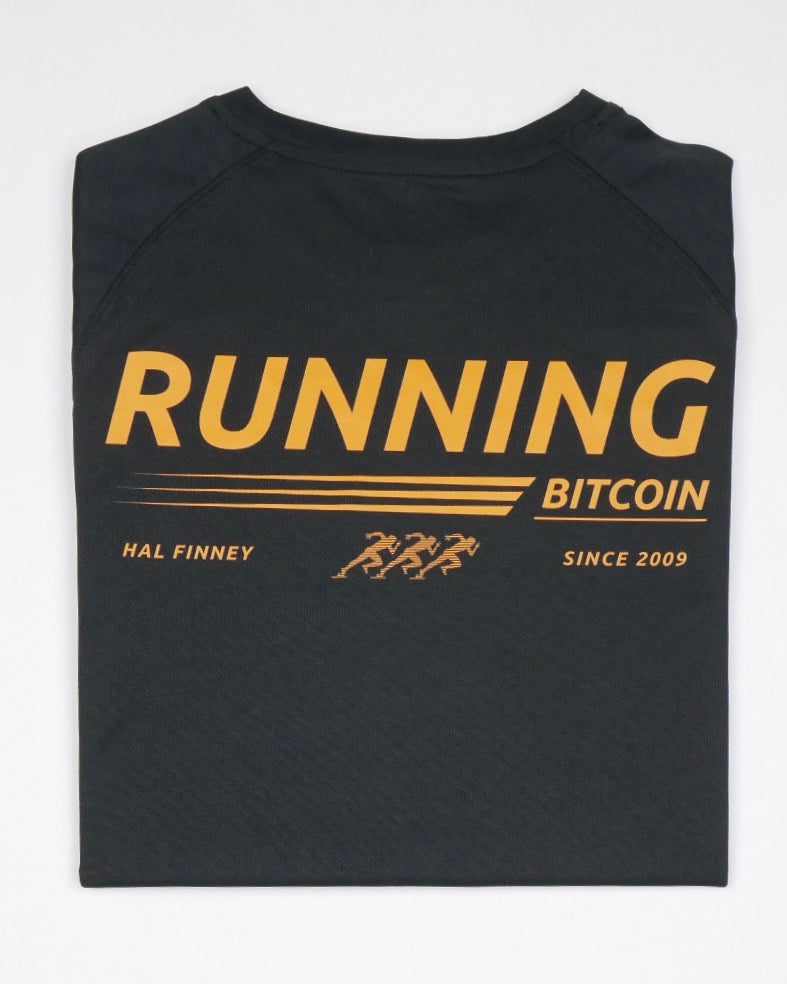
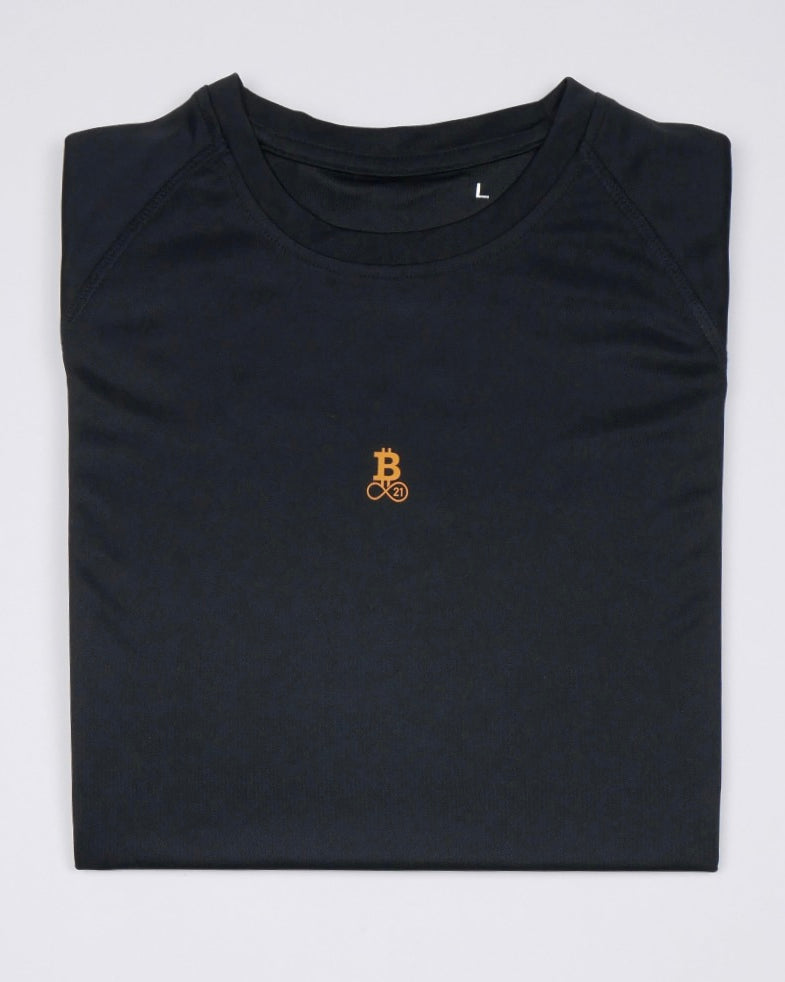
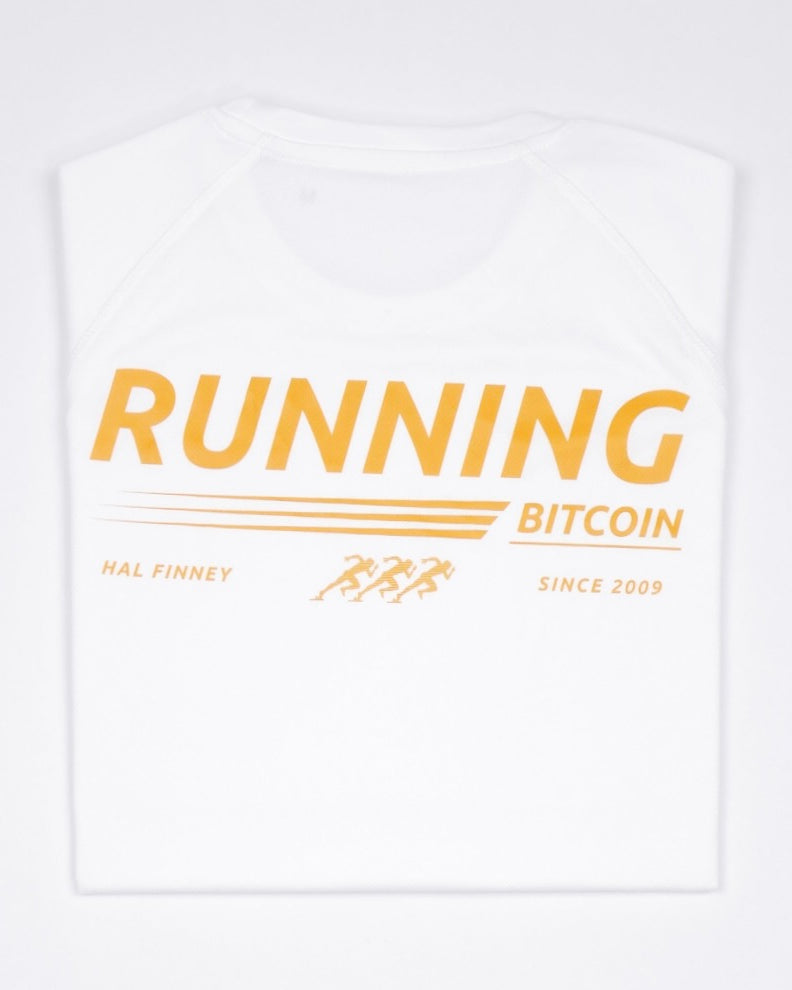
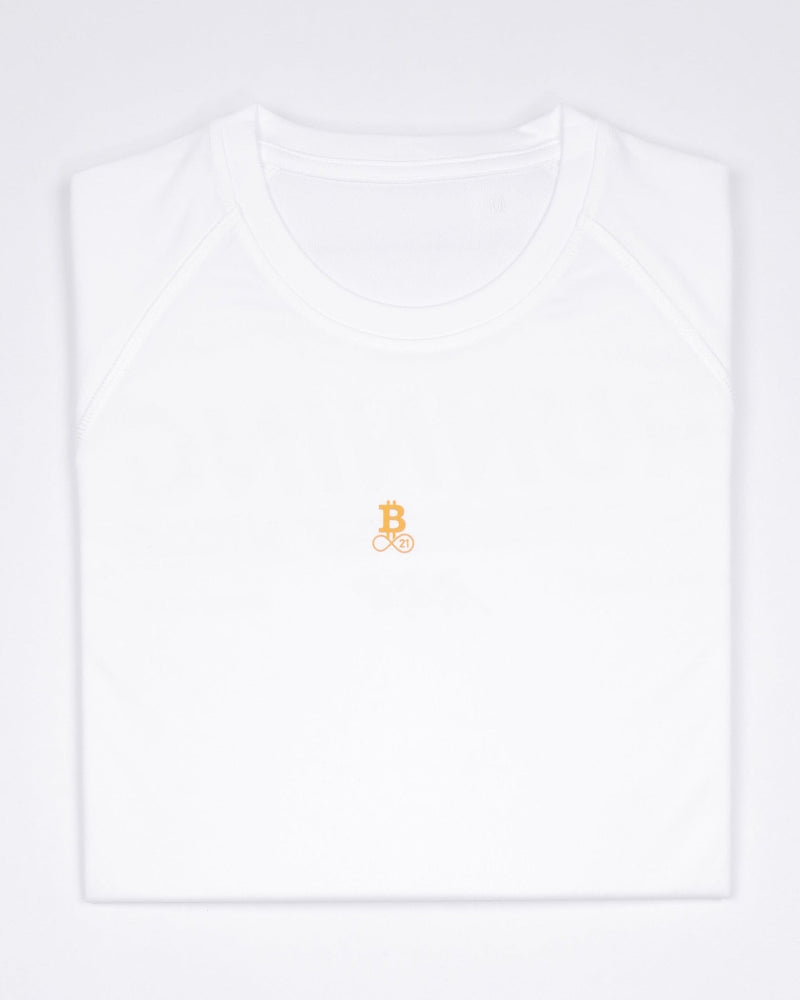
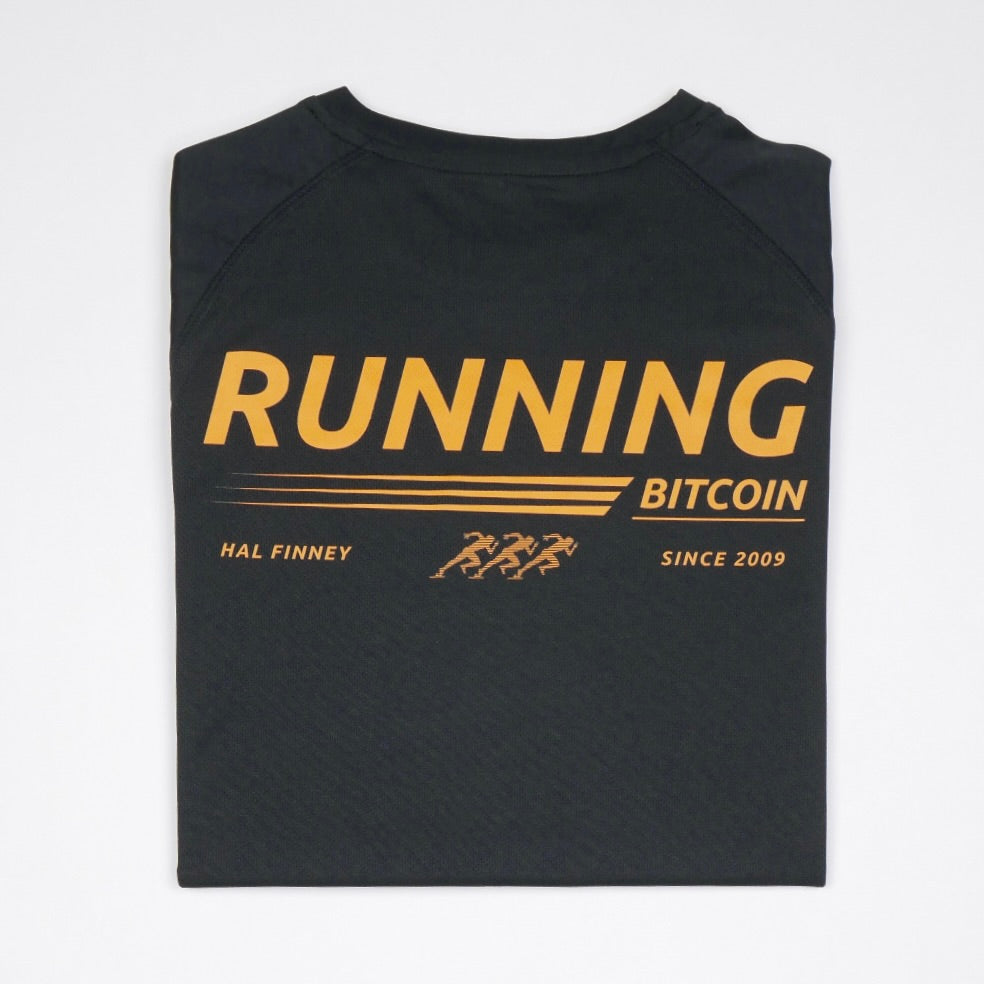
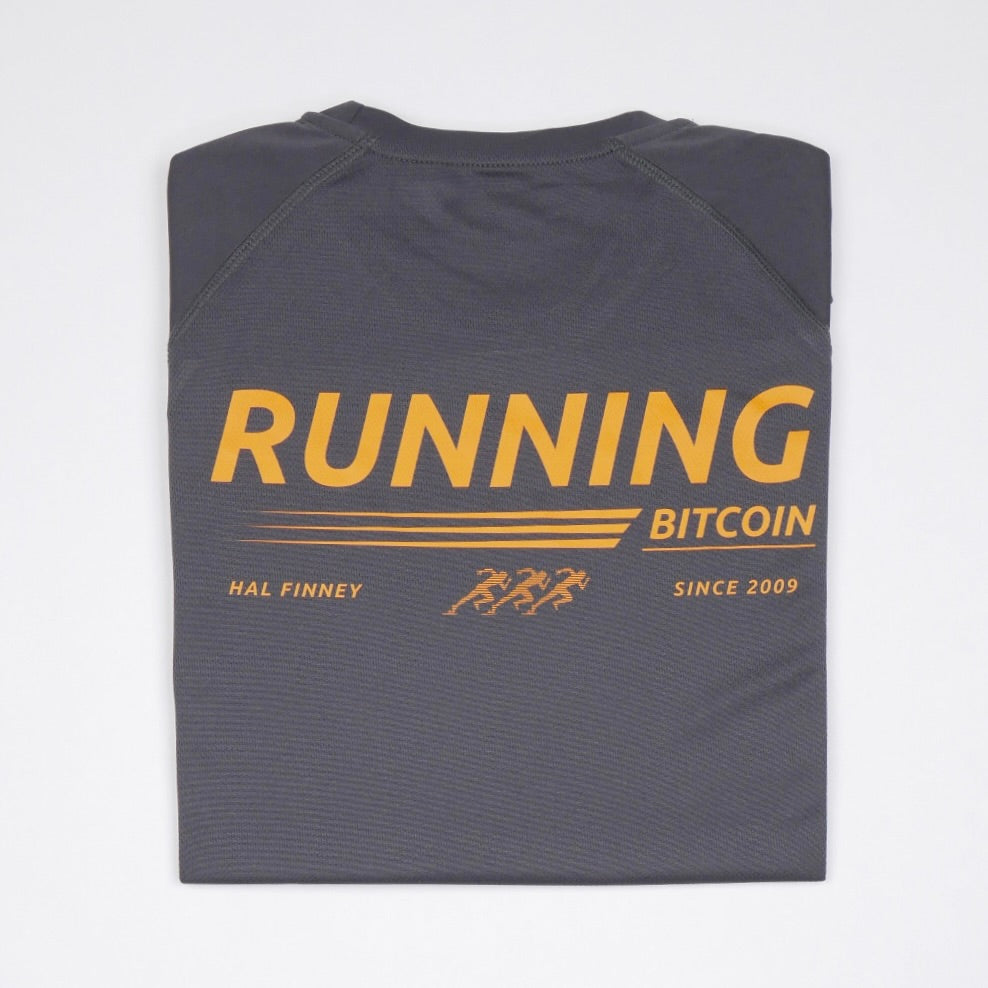
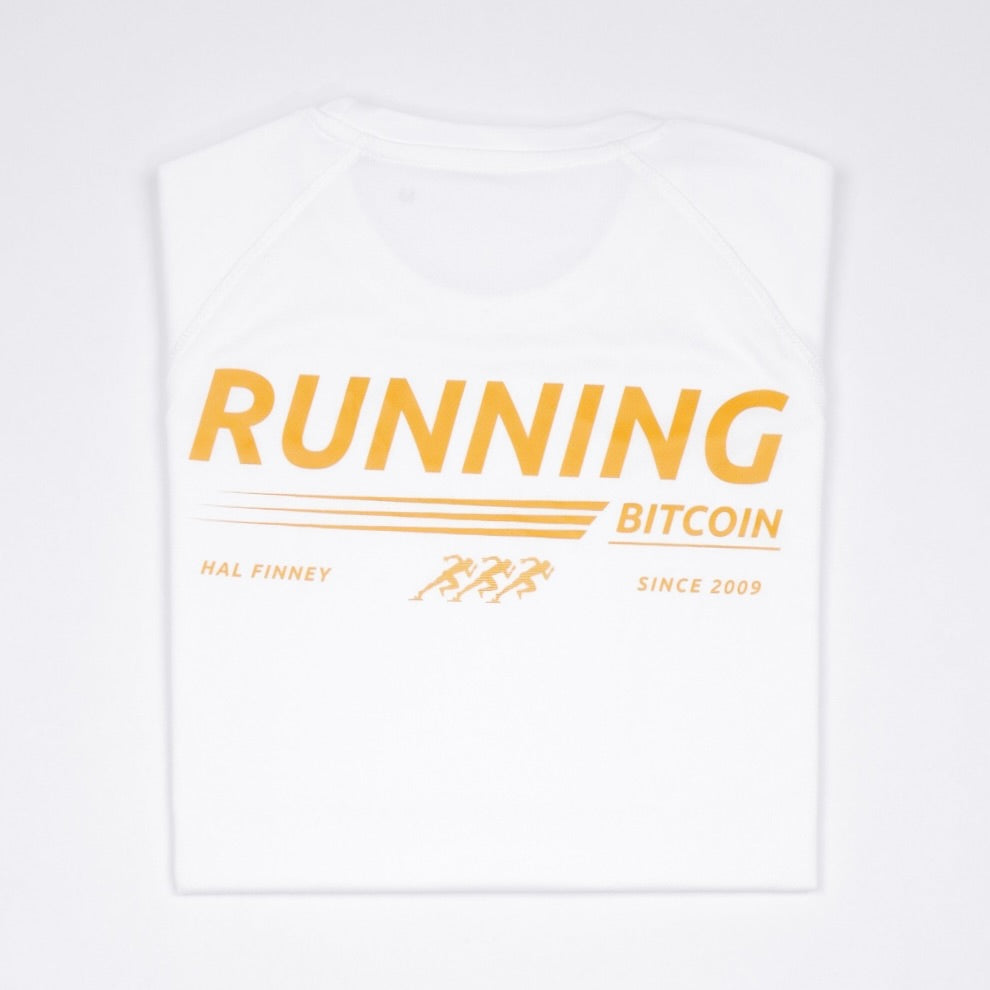
That's exactly why we made our Bitcoin Sports Shirt with “Proof of Work” on it. Lightweight performance fabric, UV protection 40+, and with every set, a reminder of what it's all about. The lettering is printed so it lies flat on the fabric and doesn't rub when you sweat.
Keep going, even when you can't see progress
On average, the Bitcoin network finds a block every ten minutes. A single mining machine working on its own would wait decades on average to find one. That's why most miners join pools and split the reward based on how much work each of them put in.
Life is a lot like that. Whether you're building a business, trying to live a healthier life or saving in Bitcoin, things rarely happen overnight. You still do the work every day, often without seeing any progress. There's more on this in our article on Low Time Preference.
Our own little Proof of Work
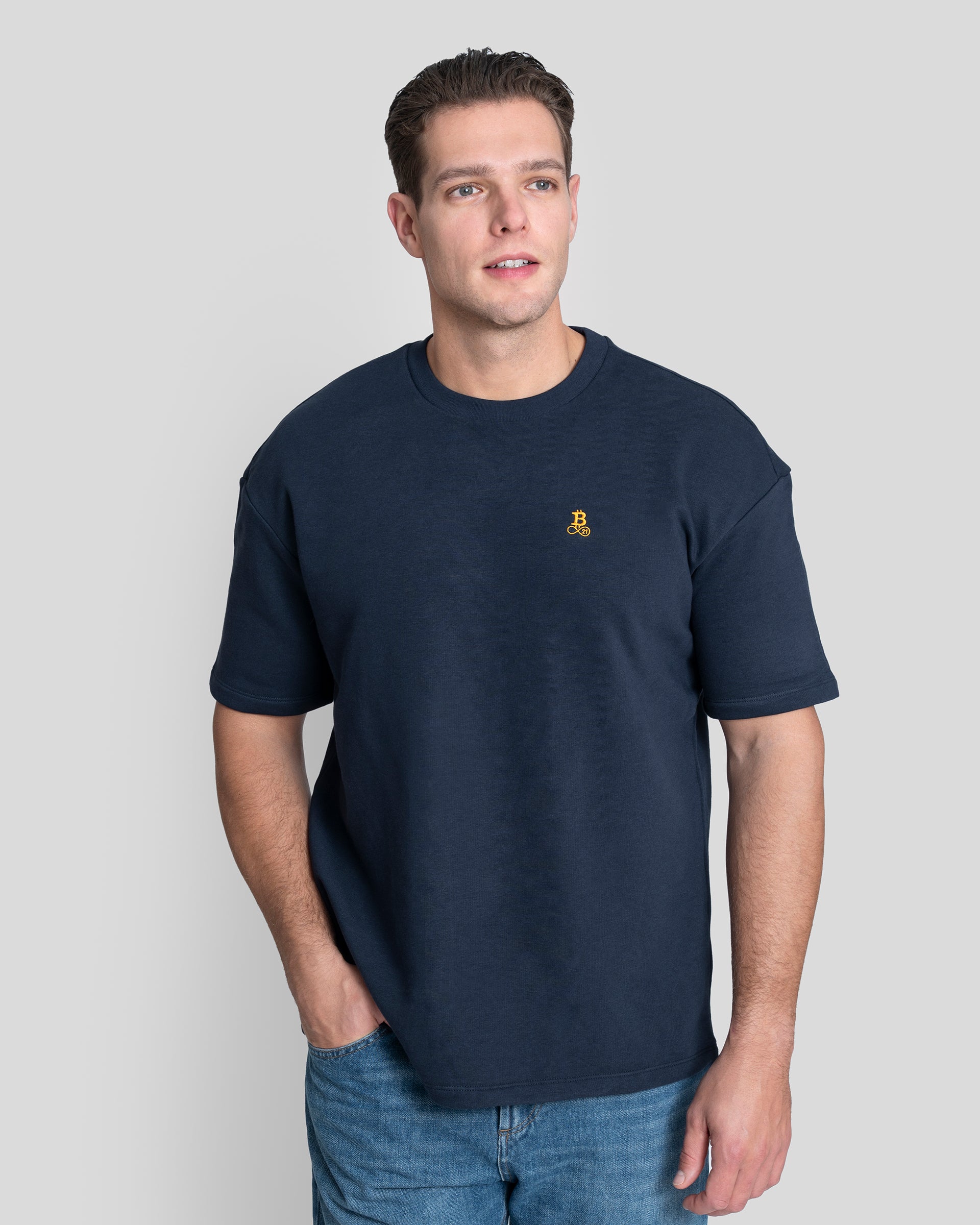
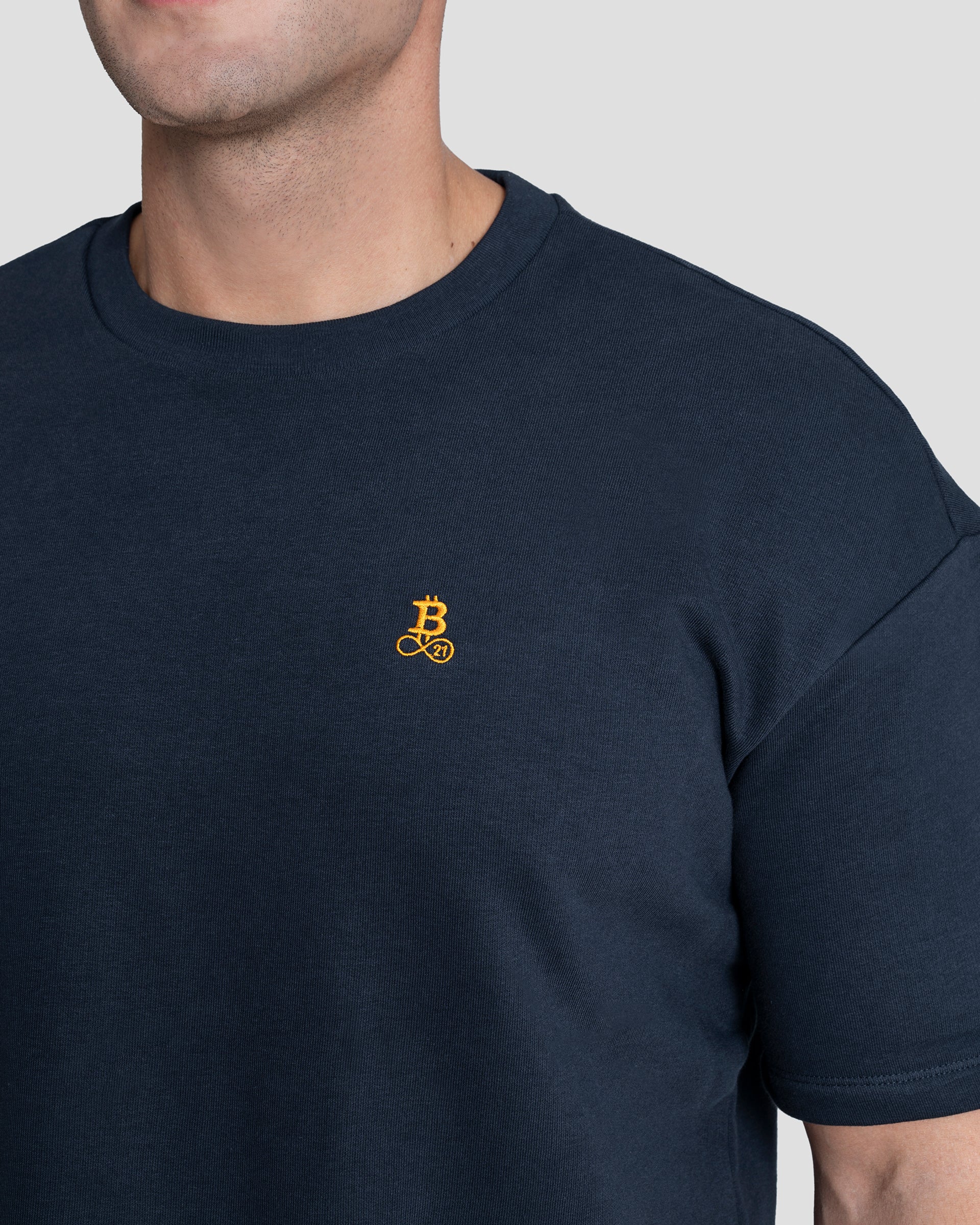
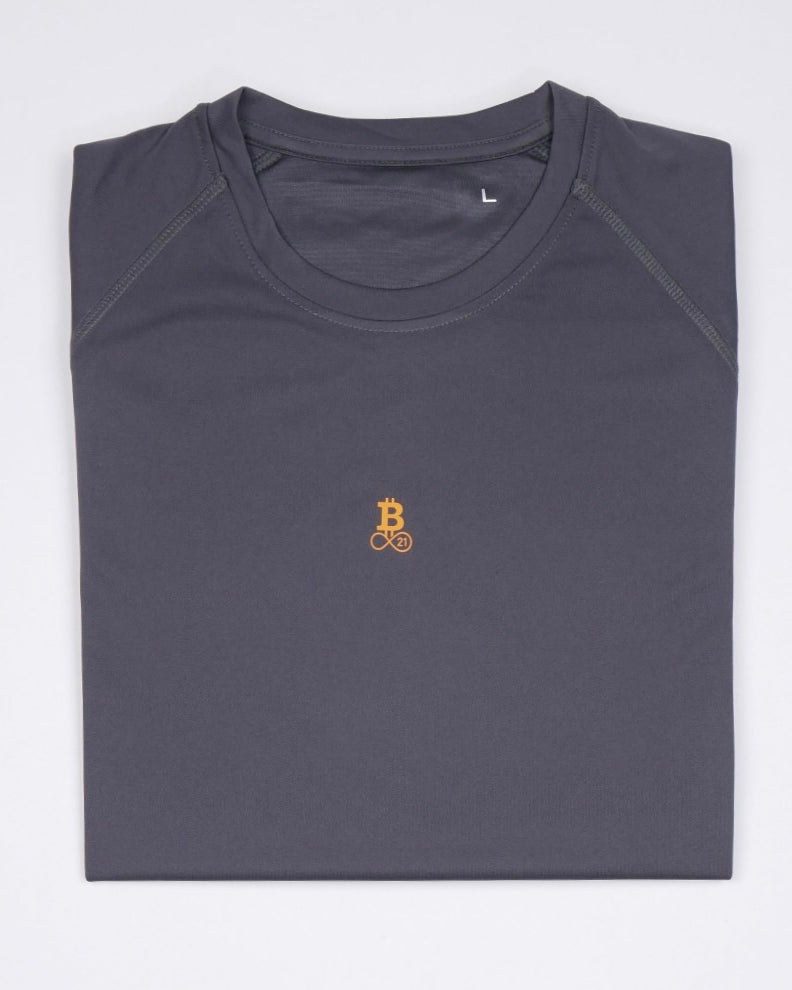
Our pieces also have work in them that you don't see right away. Embroidery takes more effort than a print. So we embroider wherever the fabric allows it and only print where a print works better, on performance shirts for example. On top of that, our shirts, hoodies and sweatshirts get heavy fabrics and clean finishing, so you keep wearing a piece for a long time instead of replacing it after one season. We tell the whole story in Designed in Hamburg.
You'll find the Sports Shirt and our running shirts in our Bitcoin sportswear section.
Sources
- Satoshi Nakamoto: Bitcoin: A Peer-to-Peer Electronic Cash System (2008)
- Bitcoin Wiki: Proof of work
- Adam Back: Hashcash – A Denial of Service Counter-Measure (2002)

Common questions about Proof of Work
What is Proof of Work in simple terms?
Proof of Work is a method where miners use computing power to prove they've put in work. Only then are they allowed to add a new block to the Bitcoin blockchain. The work is hard to produce, but anyone can check it easily.
What does Proof of Work actually mean?
Pretty much what it says: proof that work was done, or Arbeitsnachweis, as we say in German. It shows that real computing work, and with it energy, went into a new block.
Why does Bitcoin need Proof of Work?
So nobody can simply rewrite the transaction history. Anyone who wanted to change an old block would have to redo the work for that block and every block after it, and do it faster than the rest of the network. That makes attacks extremely expensive.
How long does it take to find a Bitcoin block?
About ten minutes on average for the whole network. The difficulty adjusts every 2,016 blocks to keep that pace roughly the same.
What's the difference between Proof of Work and Proof of Stake?
With Proof of Work, the computing work someone has put in decides who creates the next block. With Proof of Stake, it's the coins someone has locked up. Bitcoin uses Proof of Work.
Keep stacking sats, Tobi & Henry