A lot of people come to Bitcoin because of the price and then stay for a completely different reason. At some point, sometimes after weeks, sometimes after years, you start thinking about time differently: about patience, and about the difference between what feels good right now and what will matter in ten years. In the Bitcoin world, that has a name: low time preference. We'll explain what's behind it and why, for us, it matters when it comes to clothes too.

What is time preference?
Time preference describes how strongly you favour the present over the future. With a high time preference, you want everything now: consume right away, get rewarded right away. With a low time preference, you can wait. You give something up today so you'll have more of it later.
The term comes from economics, mainly from the Austrian School. Eugen von Böhm-Bawerk and later Ludwig von Mises used time preference to explain why interest exists: if you give up consuming something today, you want to be compensated for it. In the Bitcoin world, the idea became known mostly through Saifedean Ammous and his book “The Bitcoin Standard” (2018). His argument: hard money that holds its value lowers a society's time preference, because saving and long-term thinking pay off again.
Why everyday life is built for “now”
A big part of our everyday life is built on high time preference. Buying in instalments with one click, streaming without a break, clothes that get thrown out after one season. Everything is designed to give you what you want instantly, and the bill comes later.
Then there's money itself. Euros and dollars lose purchasing power over the years. If you just leave your money sitting there, it'll buy you less later on. So the system pushes you to spend your money or invest it rather than save it.
How Bitcoin changes the way you think about time
Bitcoin works differently. The supply is capped at 21 million, and nobody can create new Bitcoin beyond the fixed issuance schedule. That doesn't mean the price only goes up. It swings hard, and there have been years with heavy losses. But if you think in long time frames, you don't have to worry about someone pulling the rules out from under you.
That changes your decisions. Suddenly, when you're about to buy something, you ask yourself: Do I really need this? Or will I be glad in five years that I didn't? Nobody makes you think that way. The incentives are just different.
Patience doesn't come overnight
Patience rarely gets rewarded in our world. Everything is supposed to be quick and deliver results right away. If you check the price every day, you'll drive yourself crazy. You only calm down once you stop caring about the daily price.
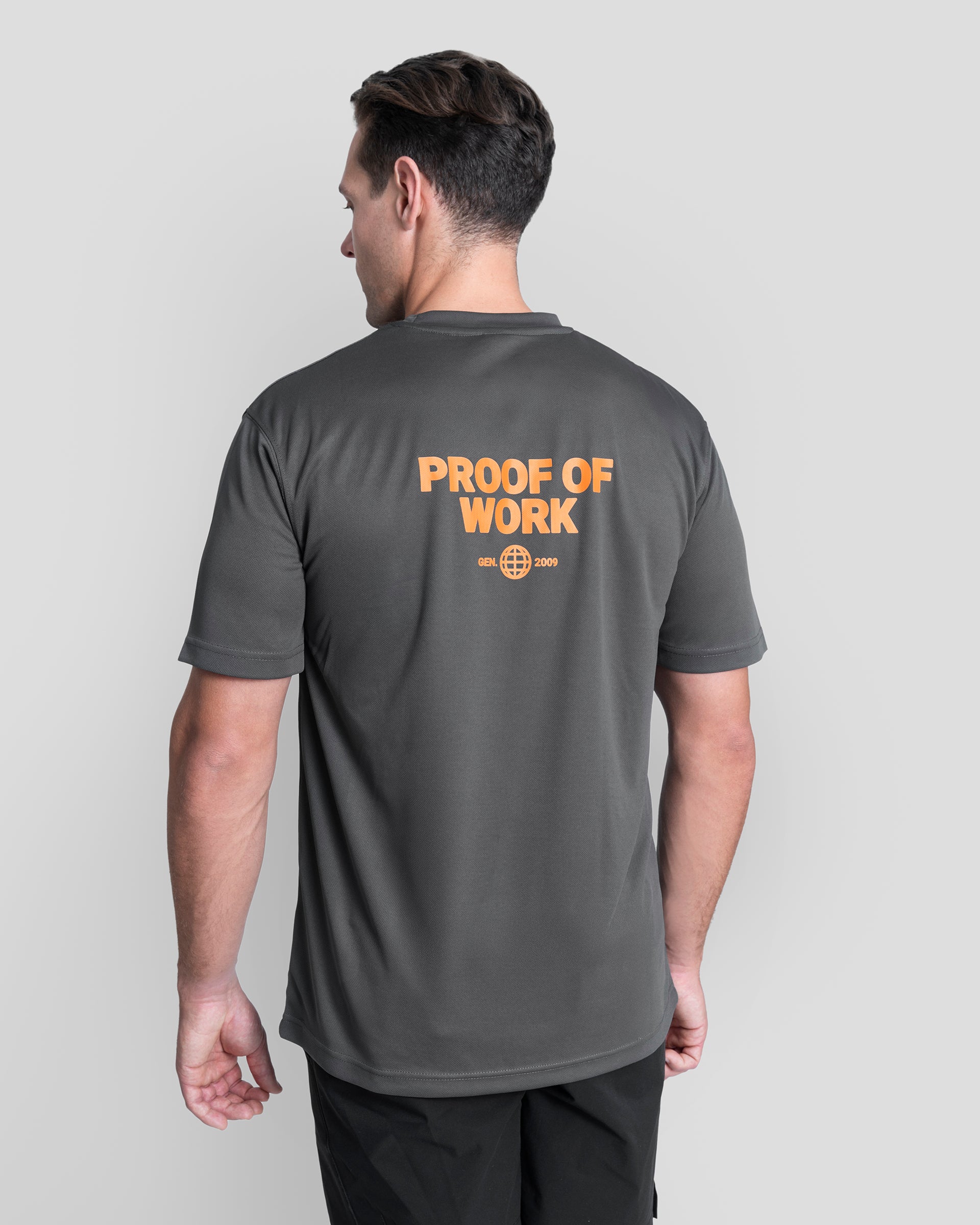
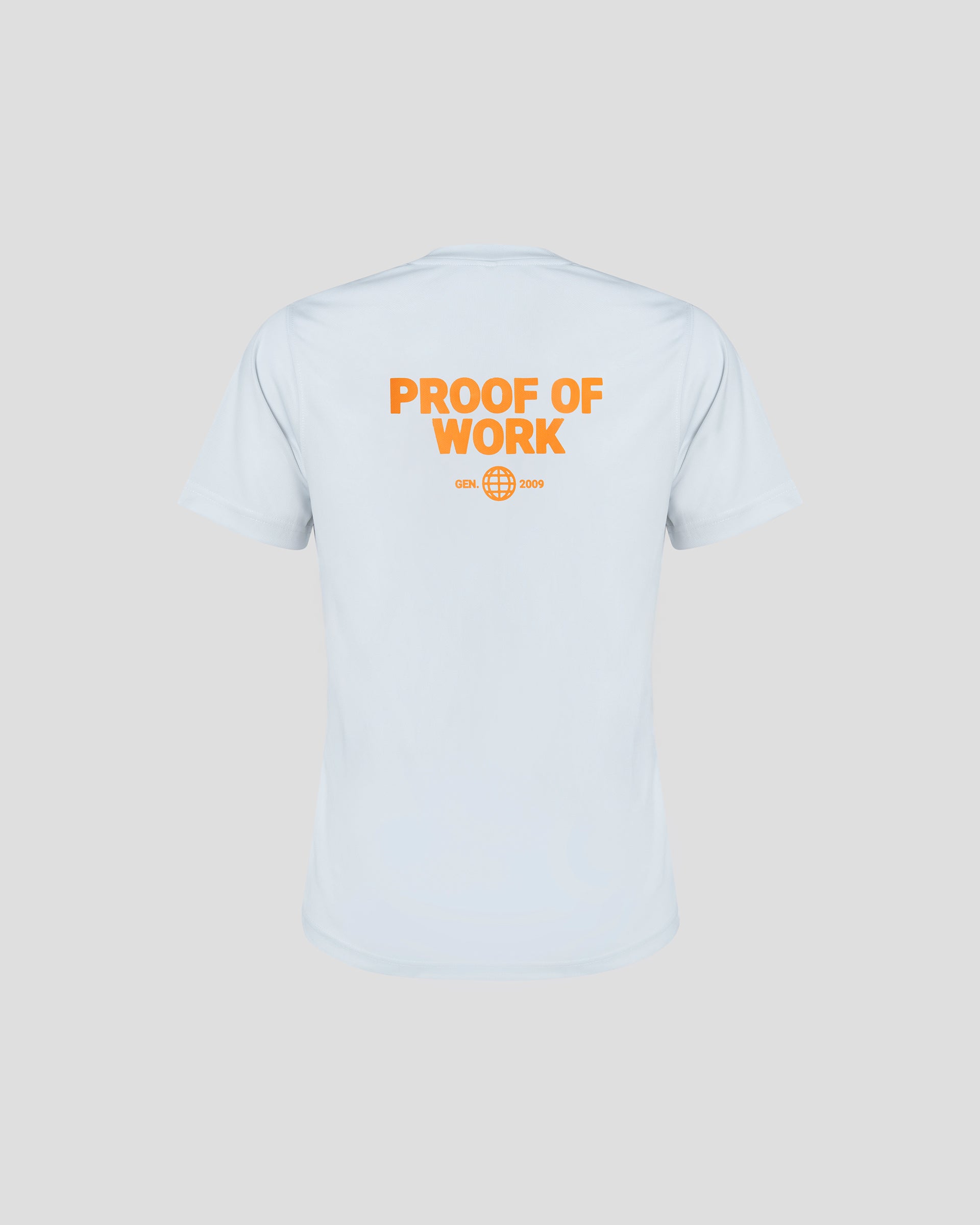
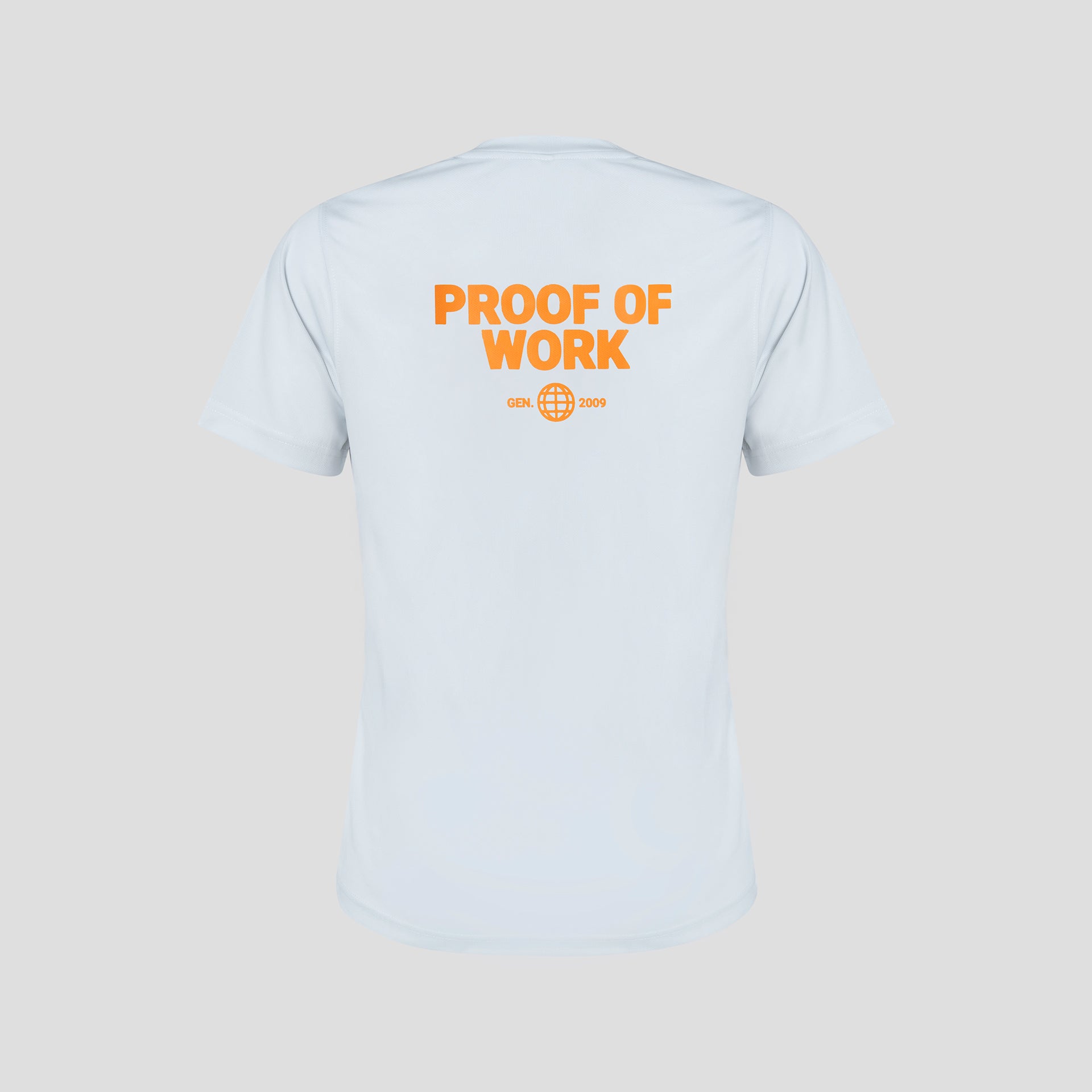
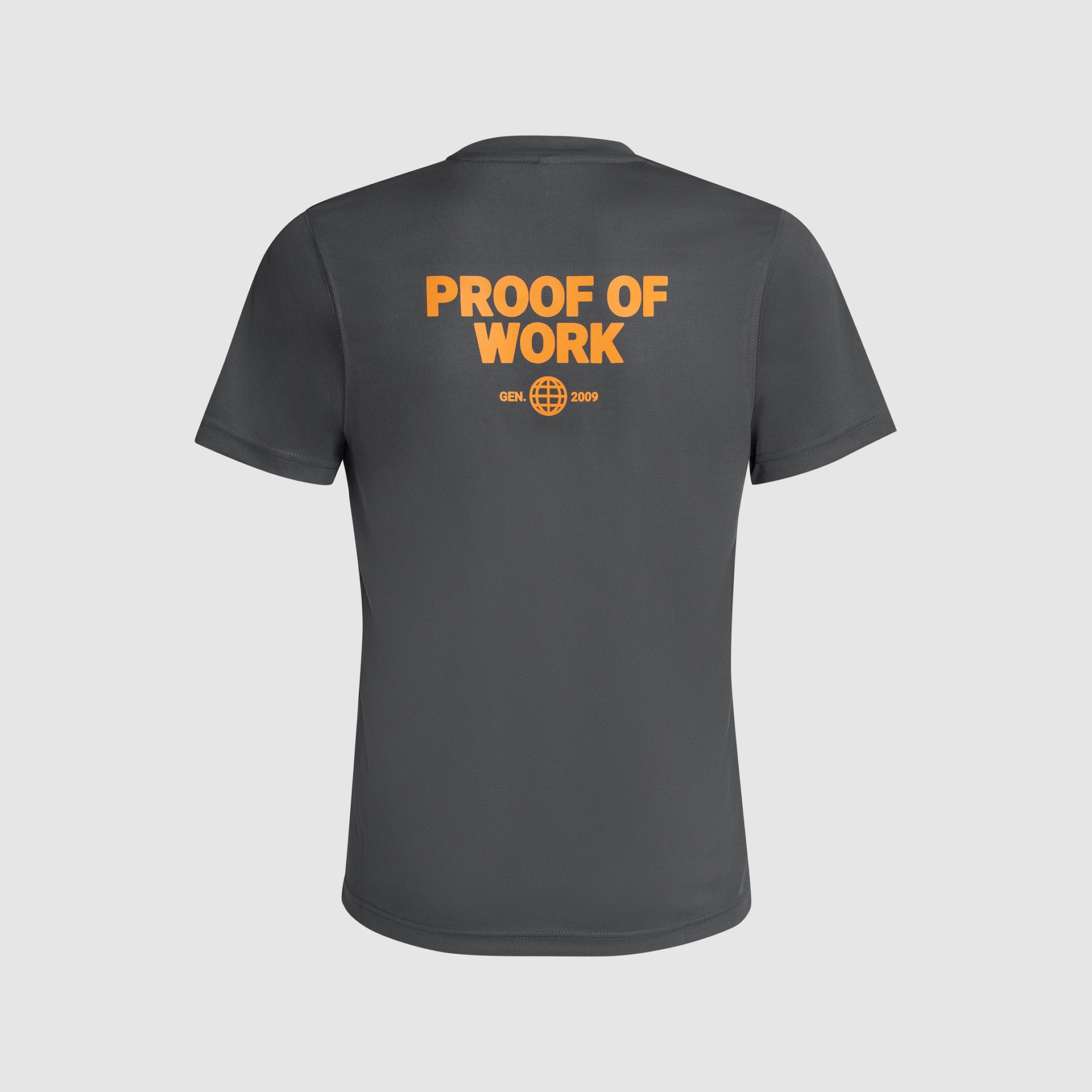
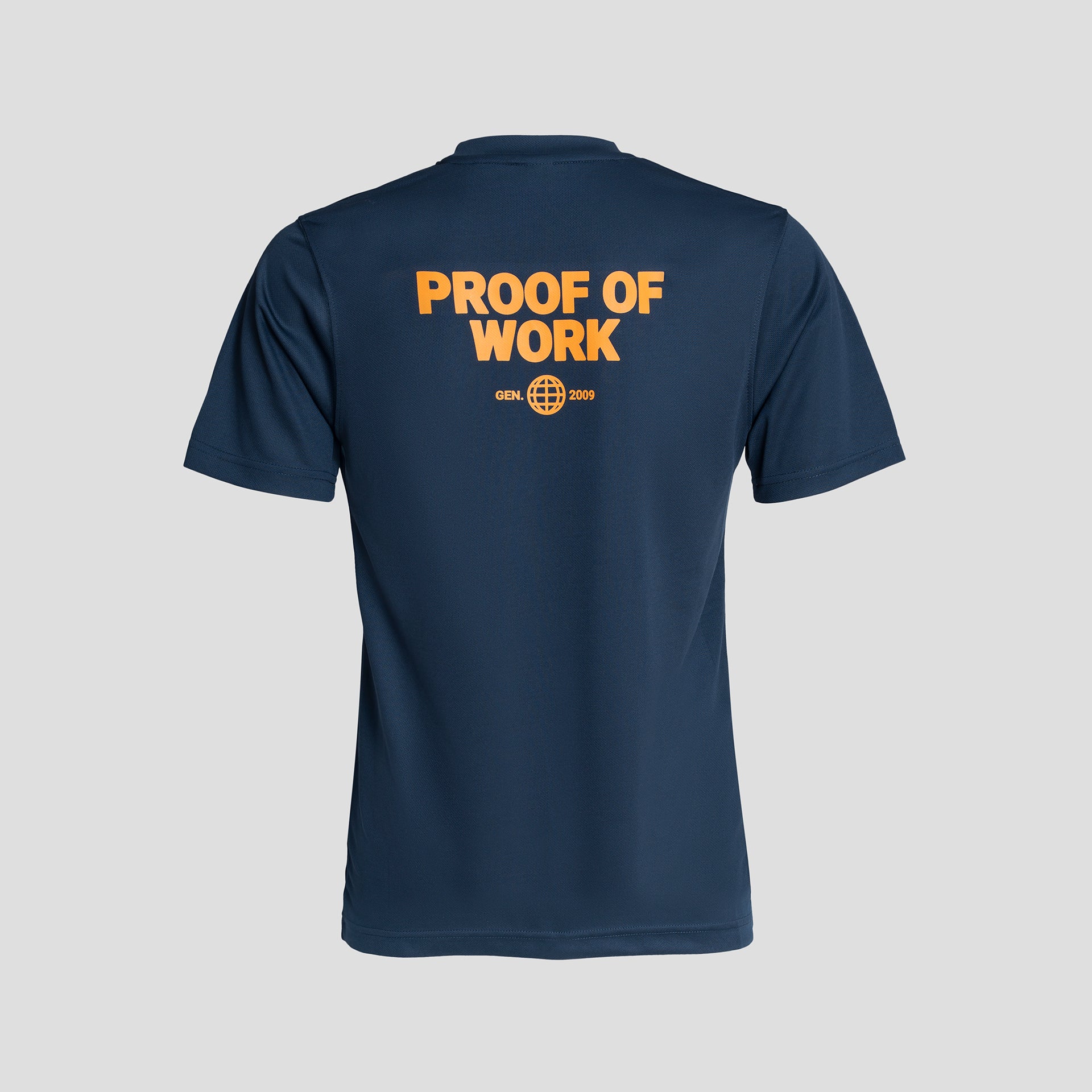
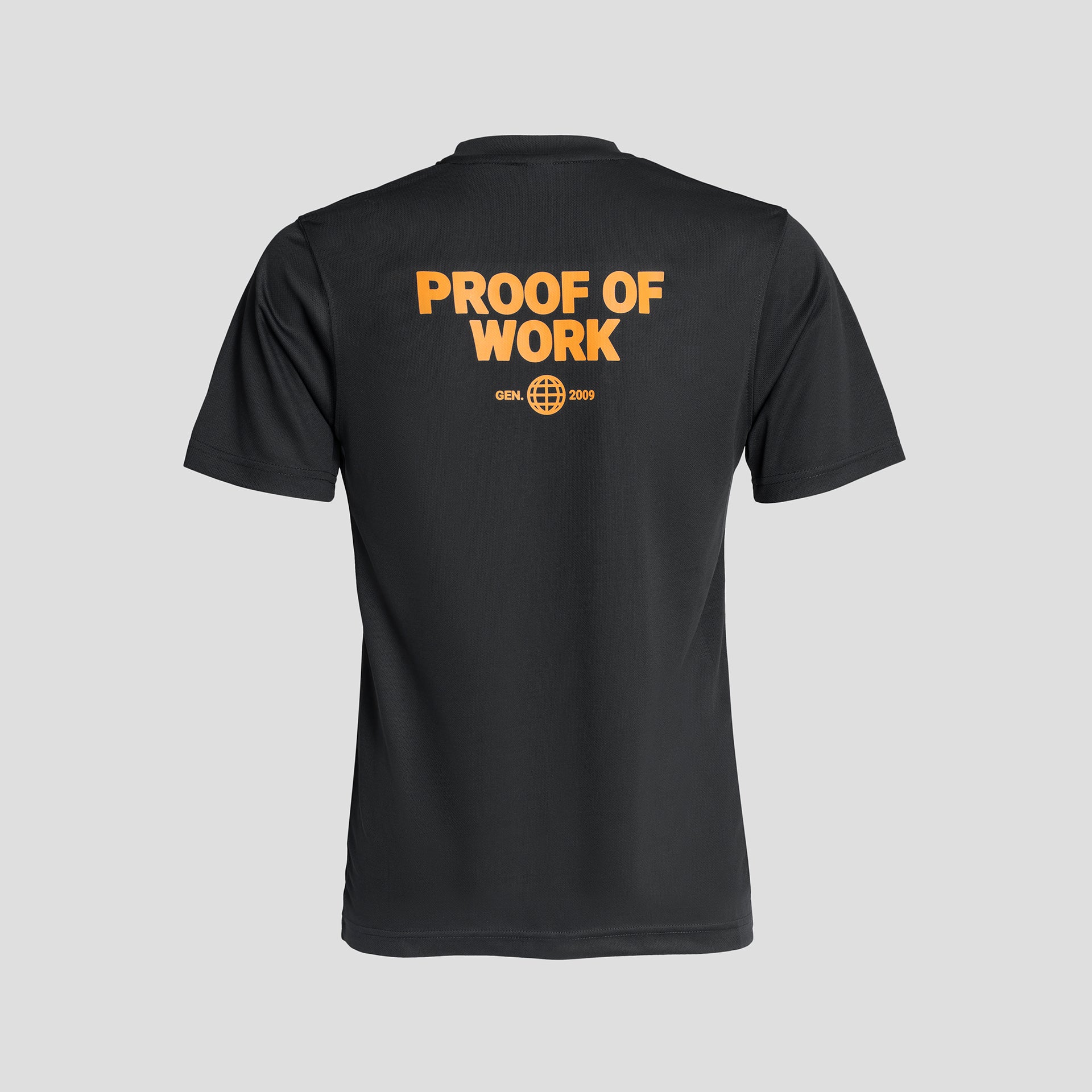
That's true outside of Bitcoin too, whether it's a language you're learning or a friendship that grows over the years. The best things come from work put in over a long time. This is where low time preference meets Proof of Work: results take effort and time.
What this has to do with clothes
When you think long term, you shop differently: less, but better, and you'd rather buy something you can repair than pay for something in instalments. Instead of “What can I afford?” you're more likely to ask yourself: “What is it worth to me?”
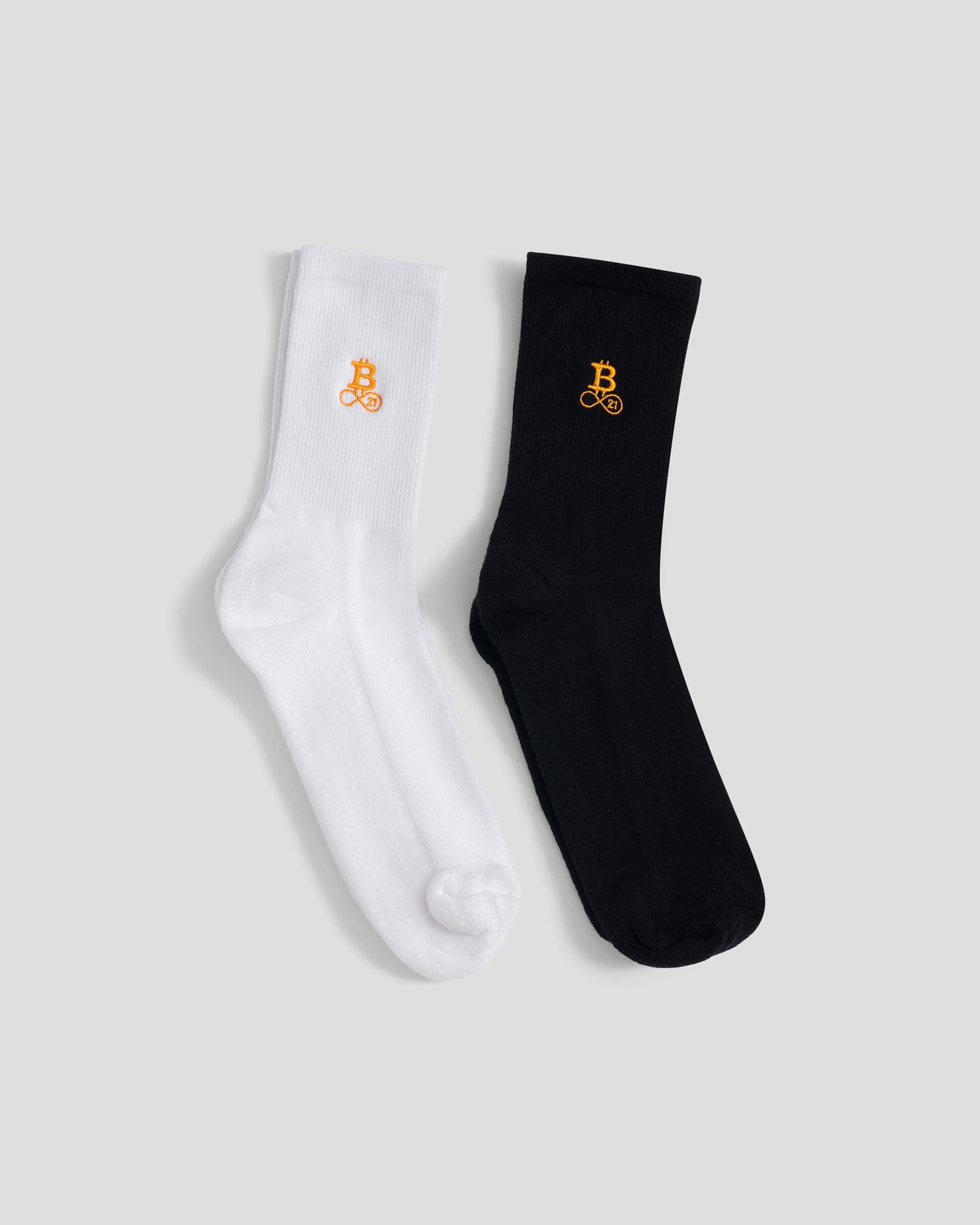
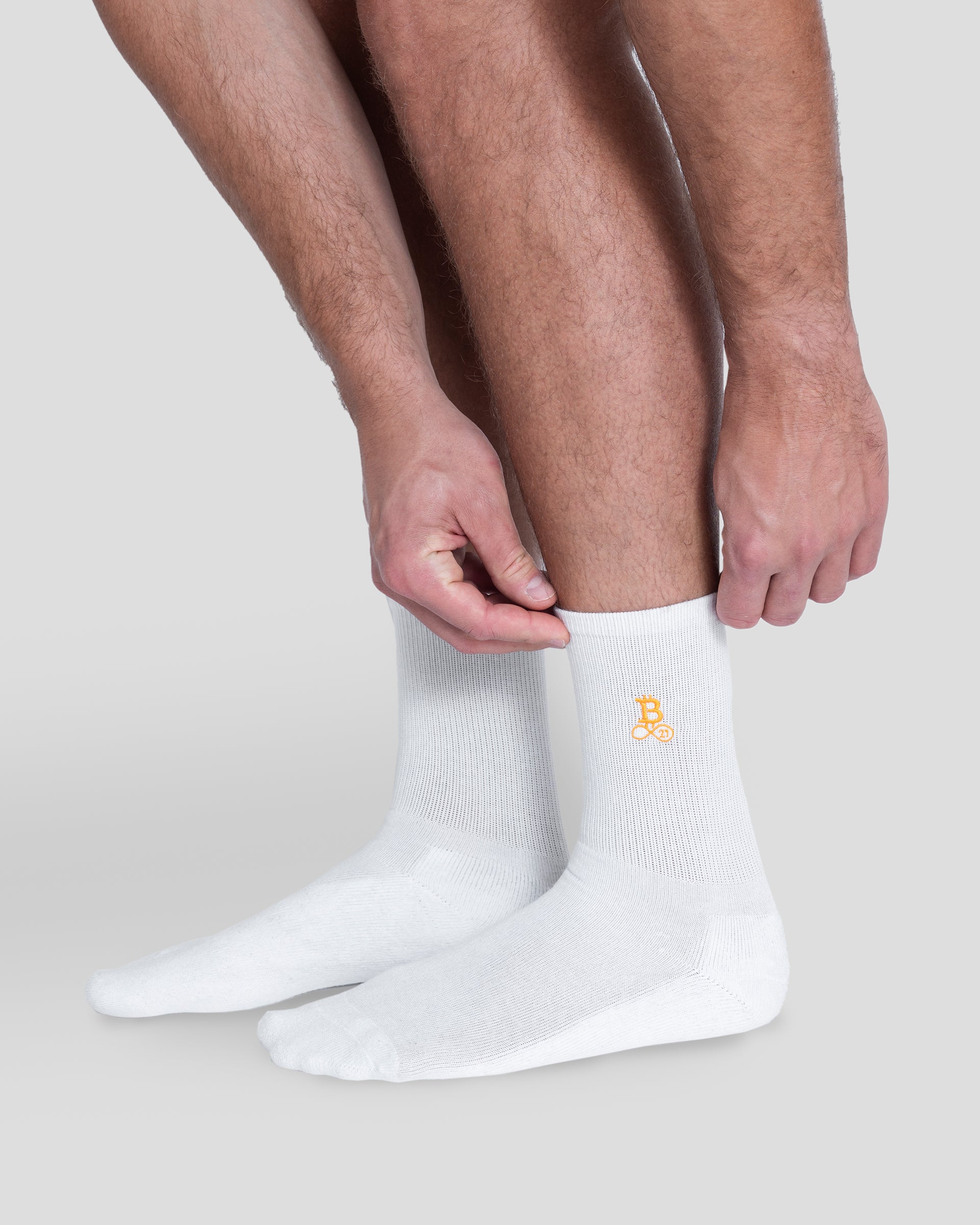
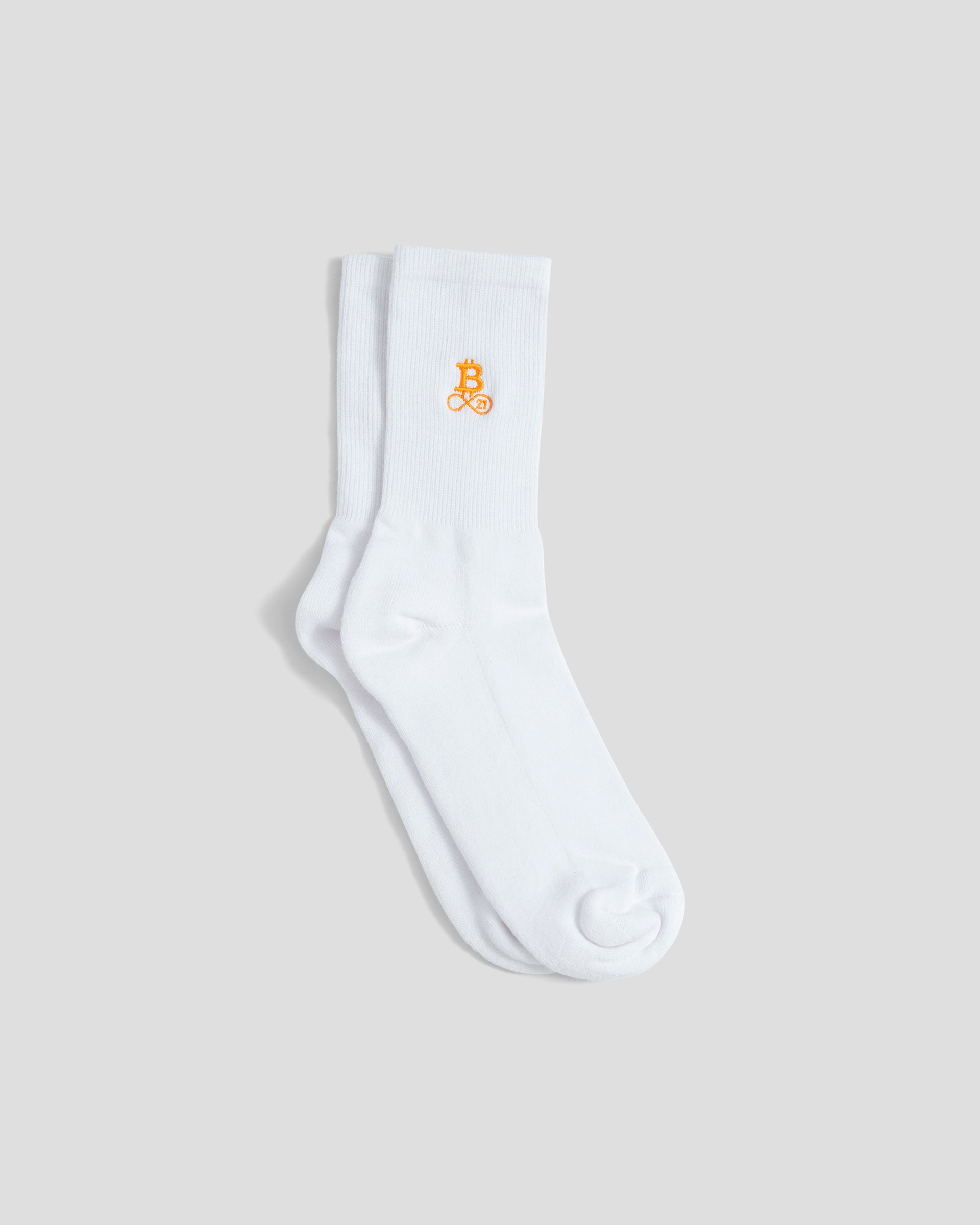
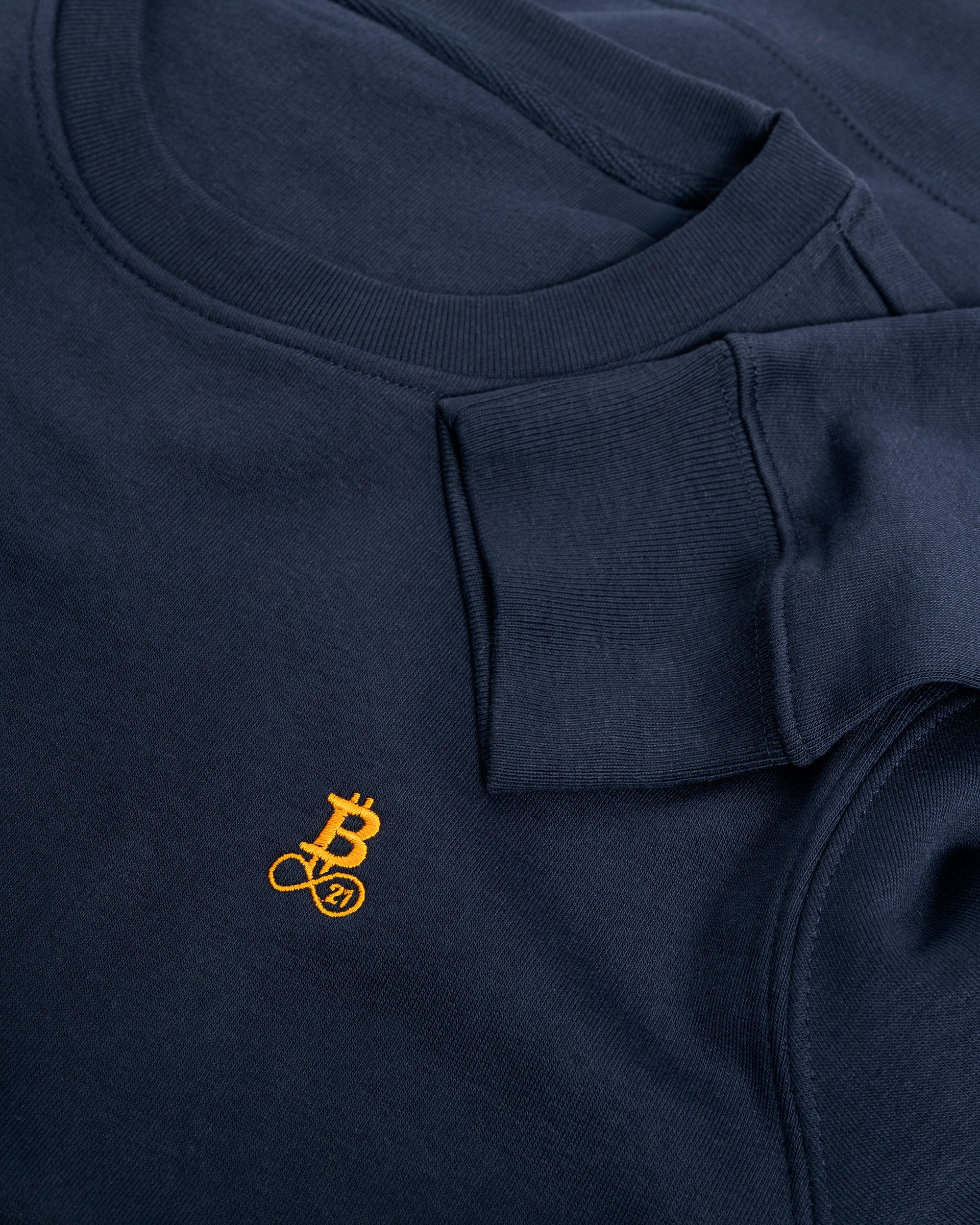
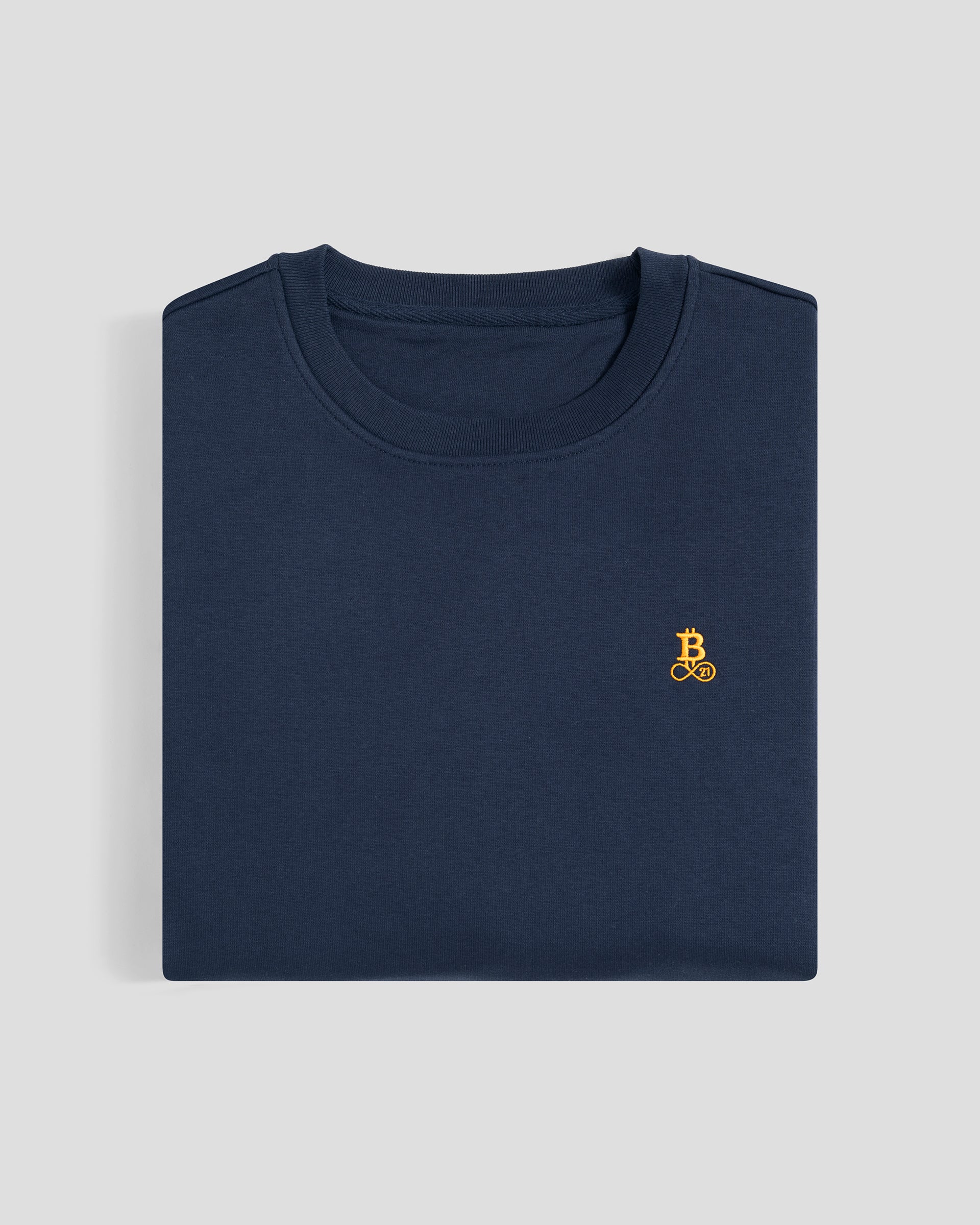
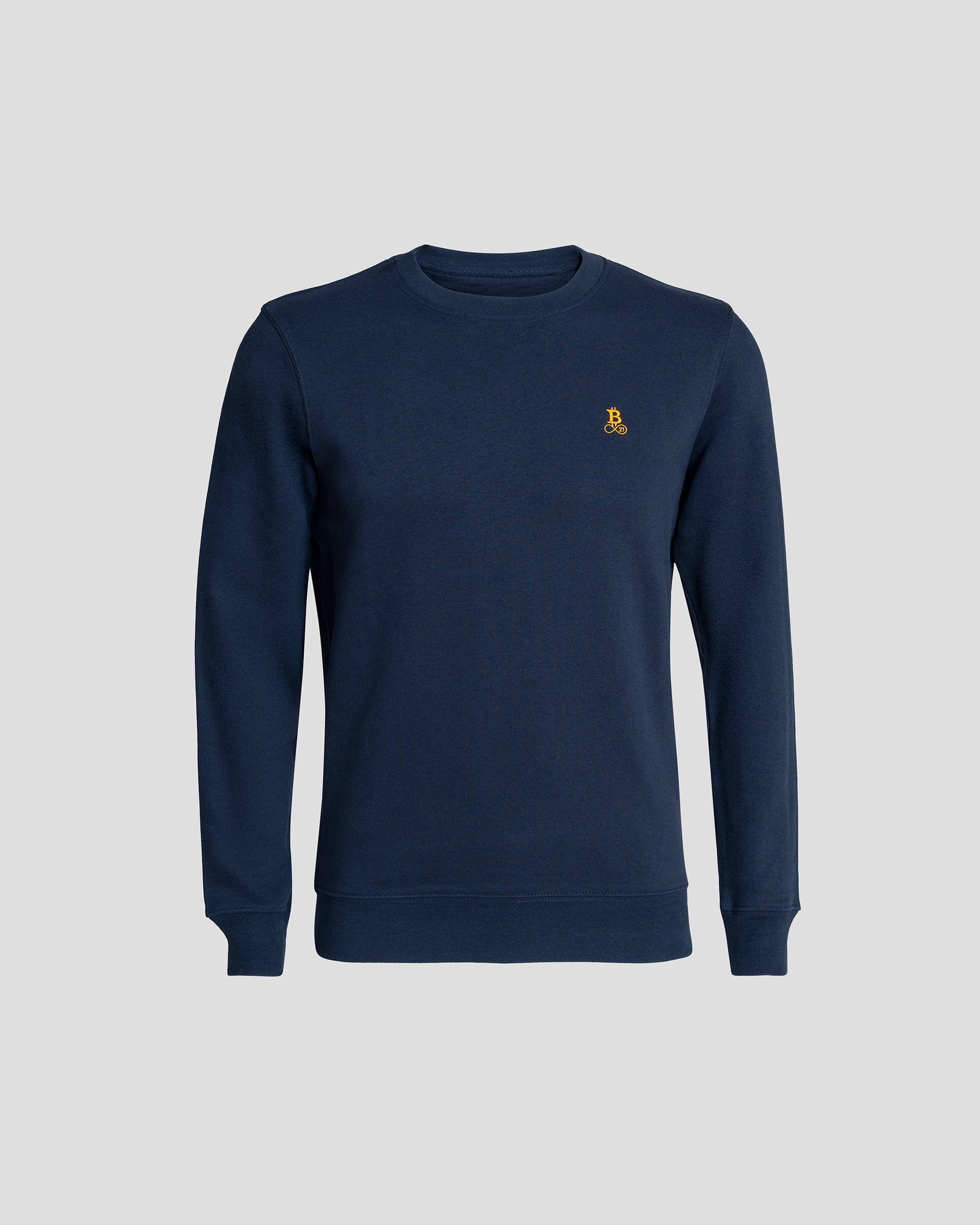
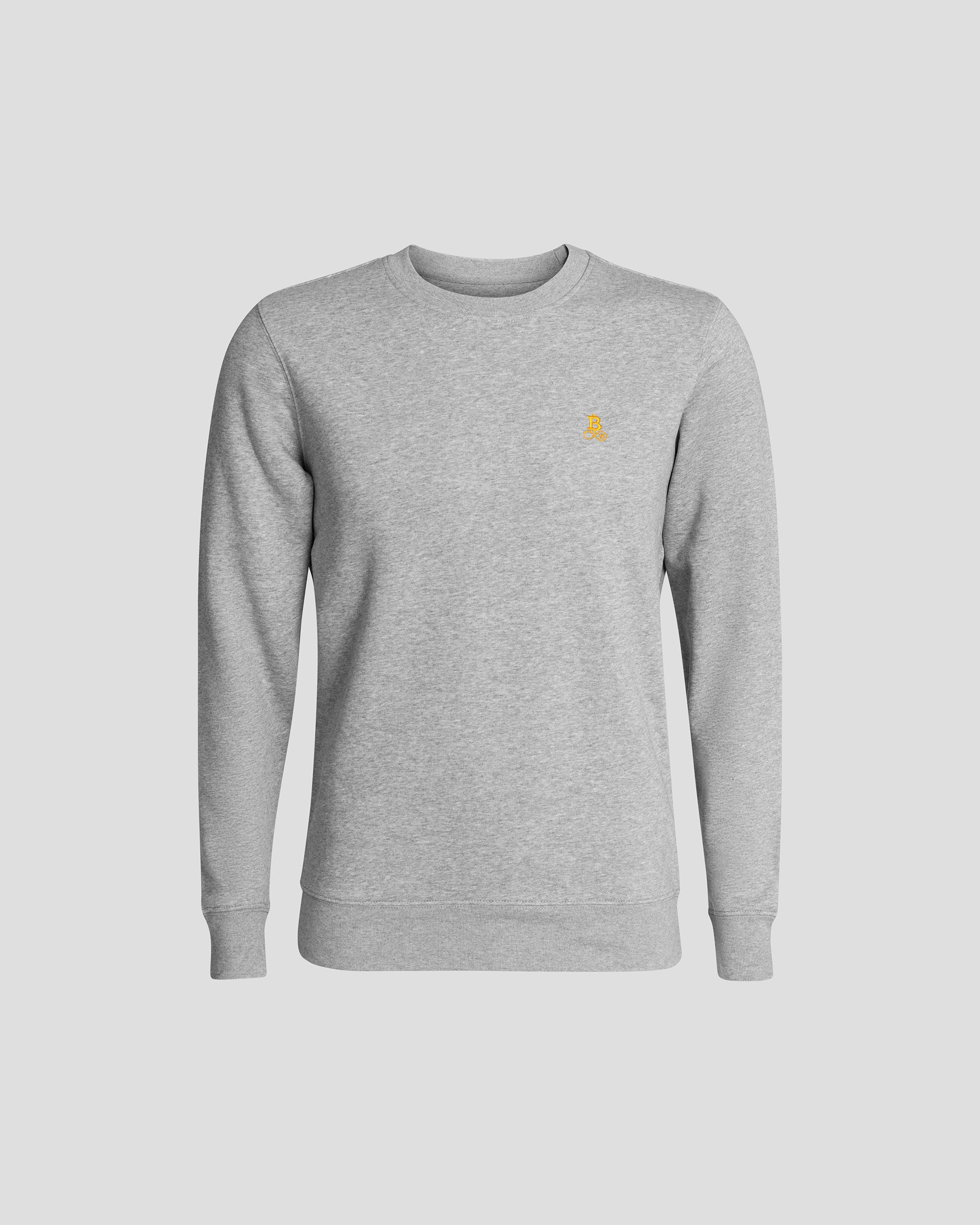
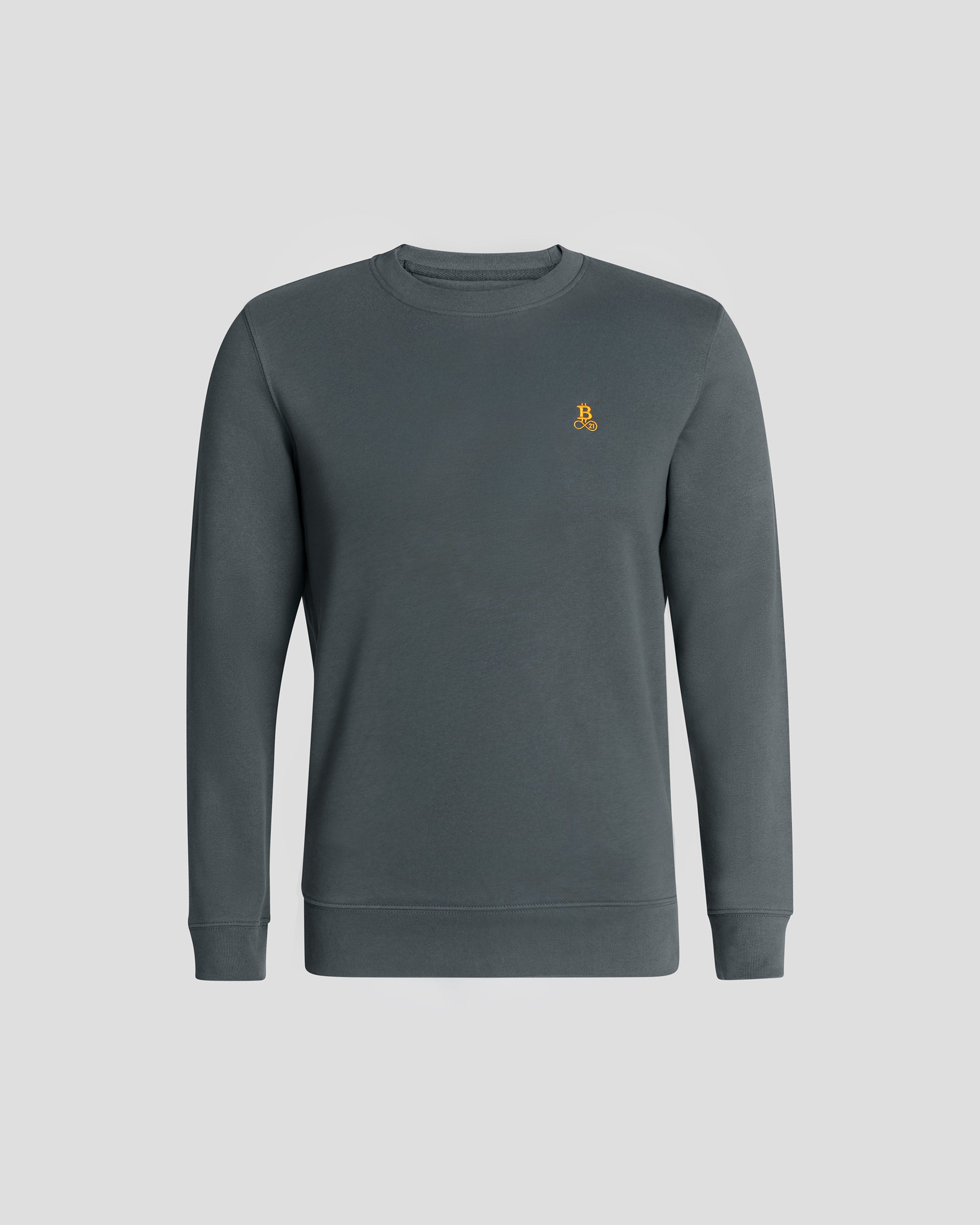
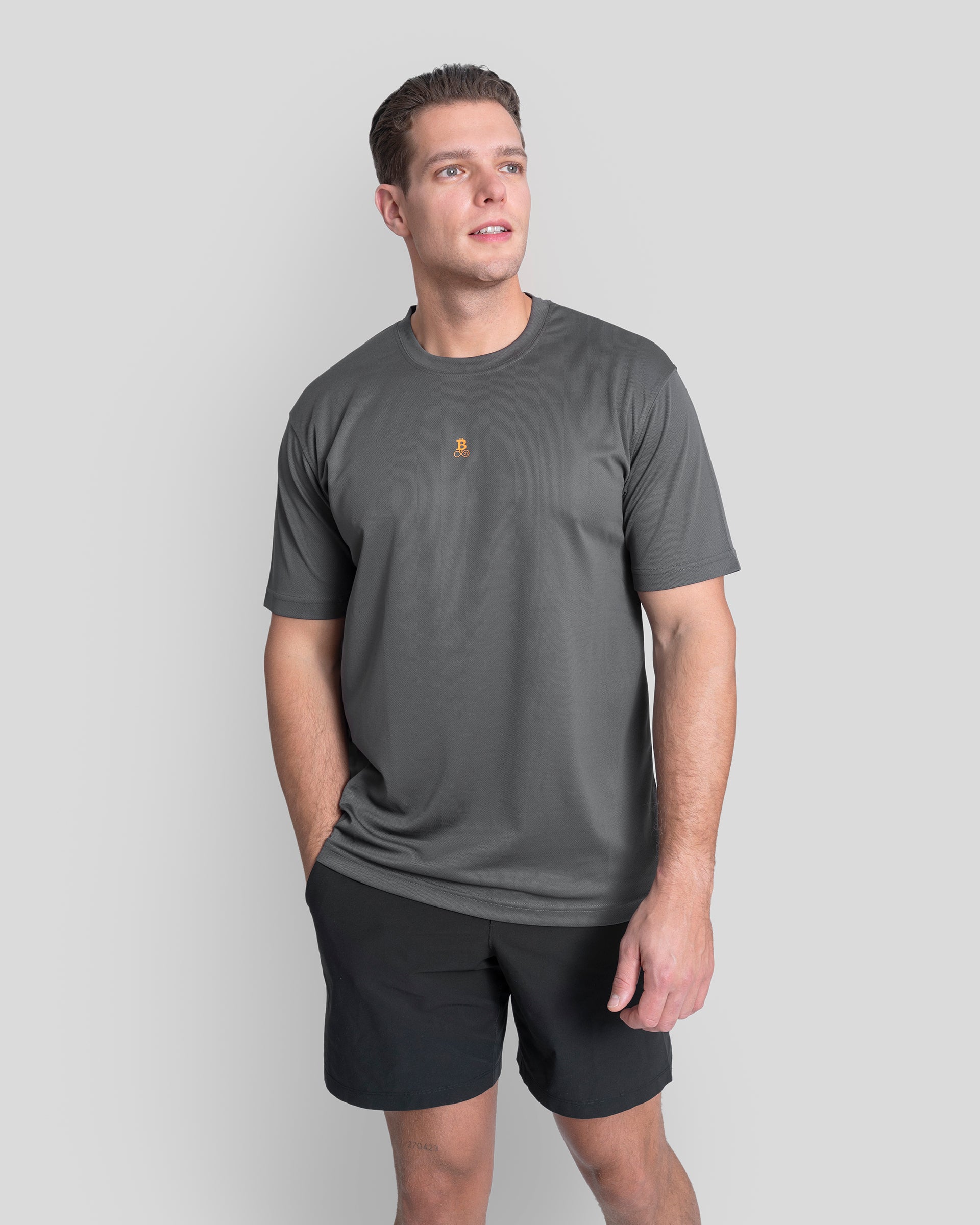
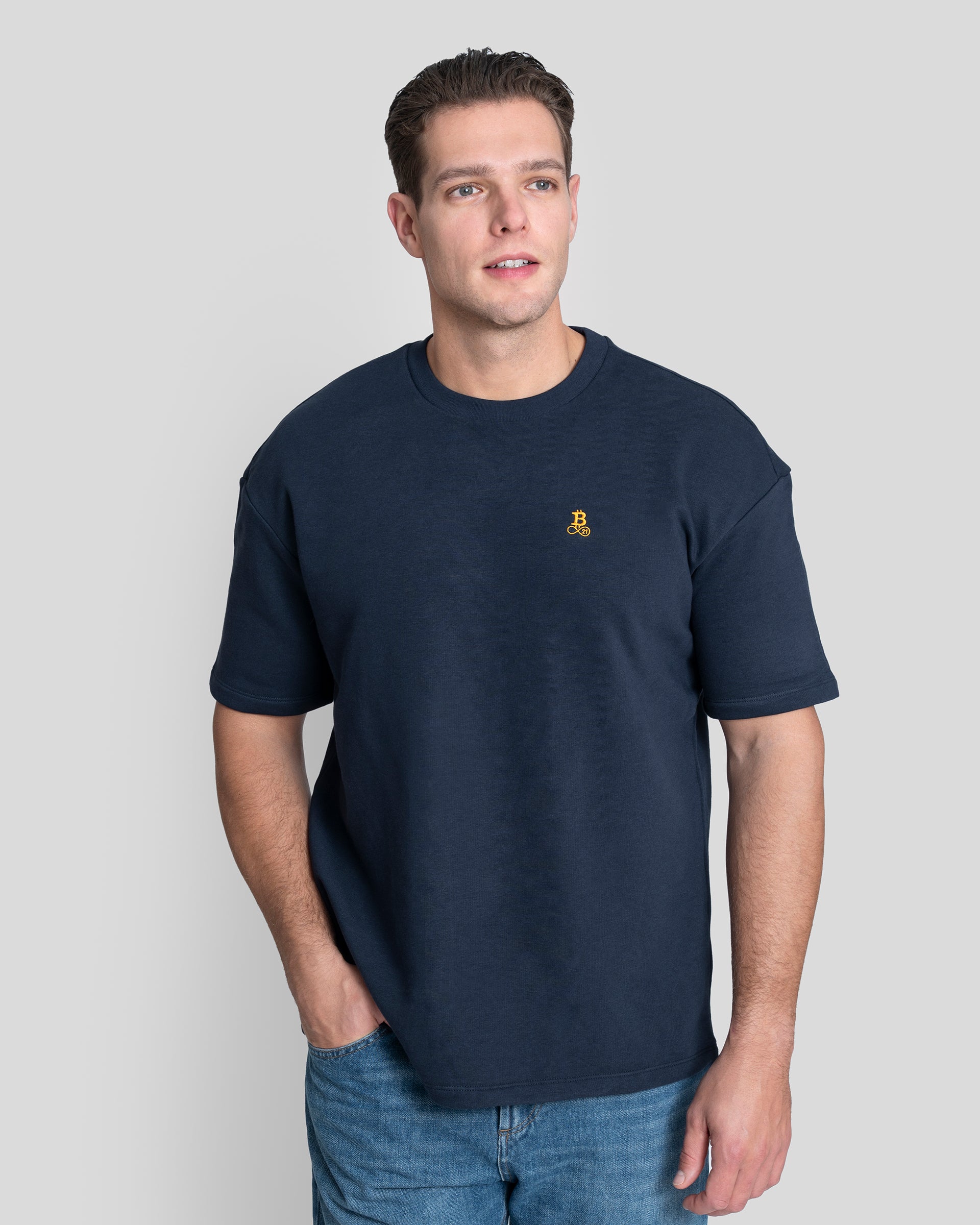
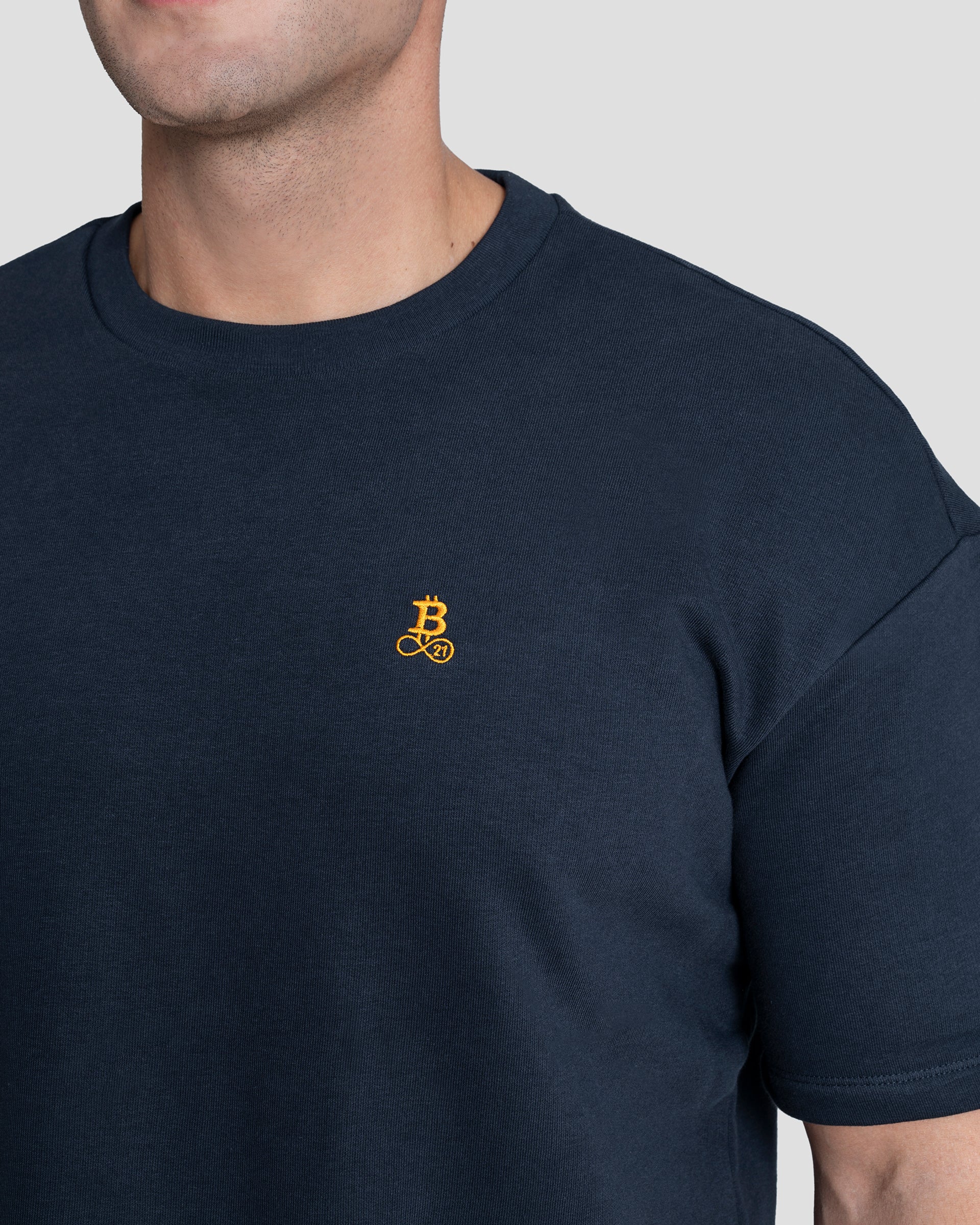
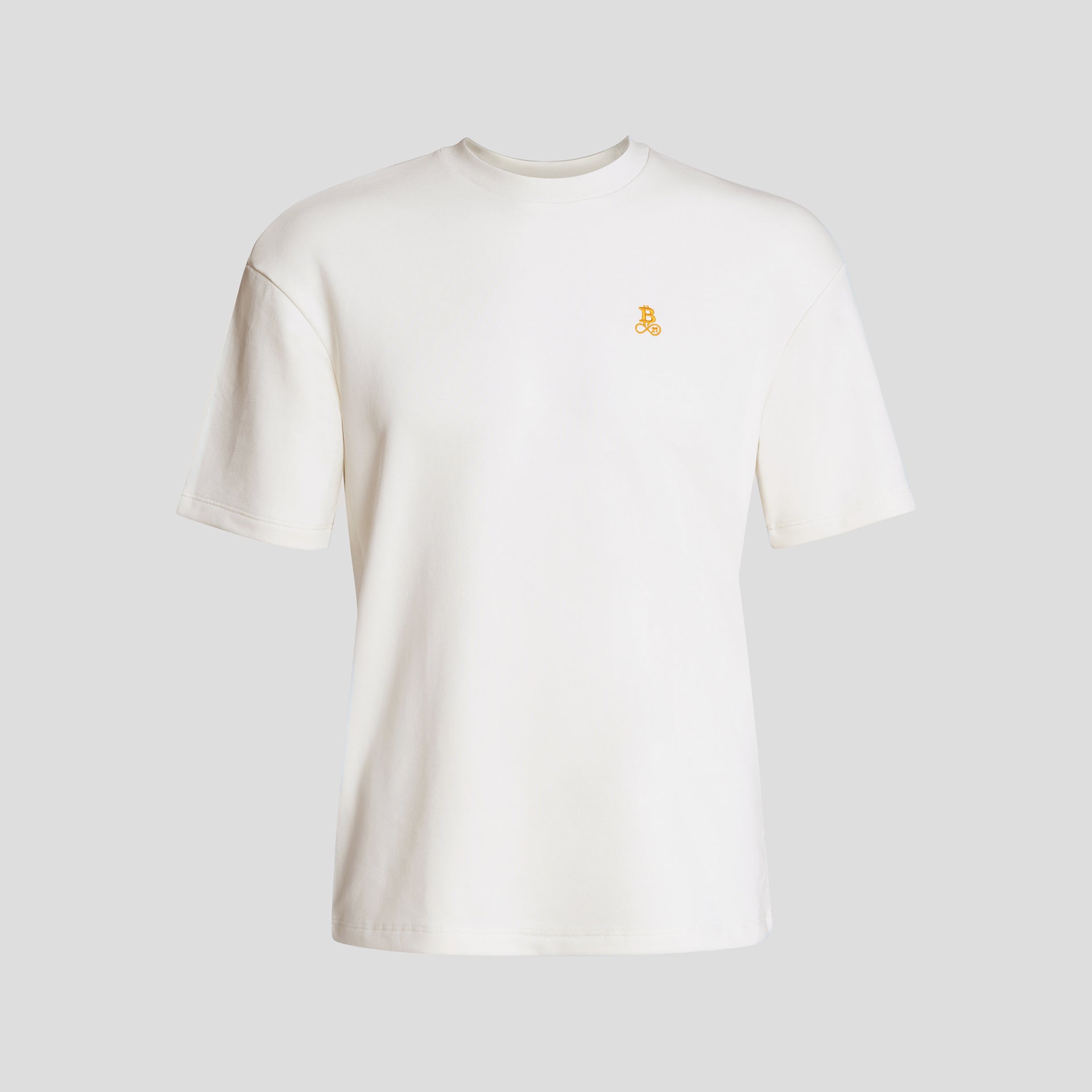
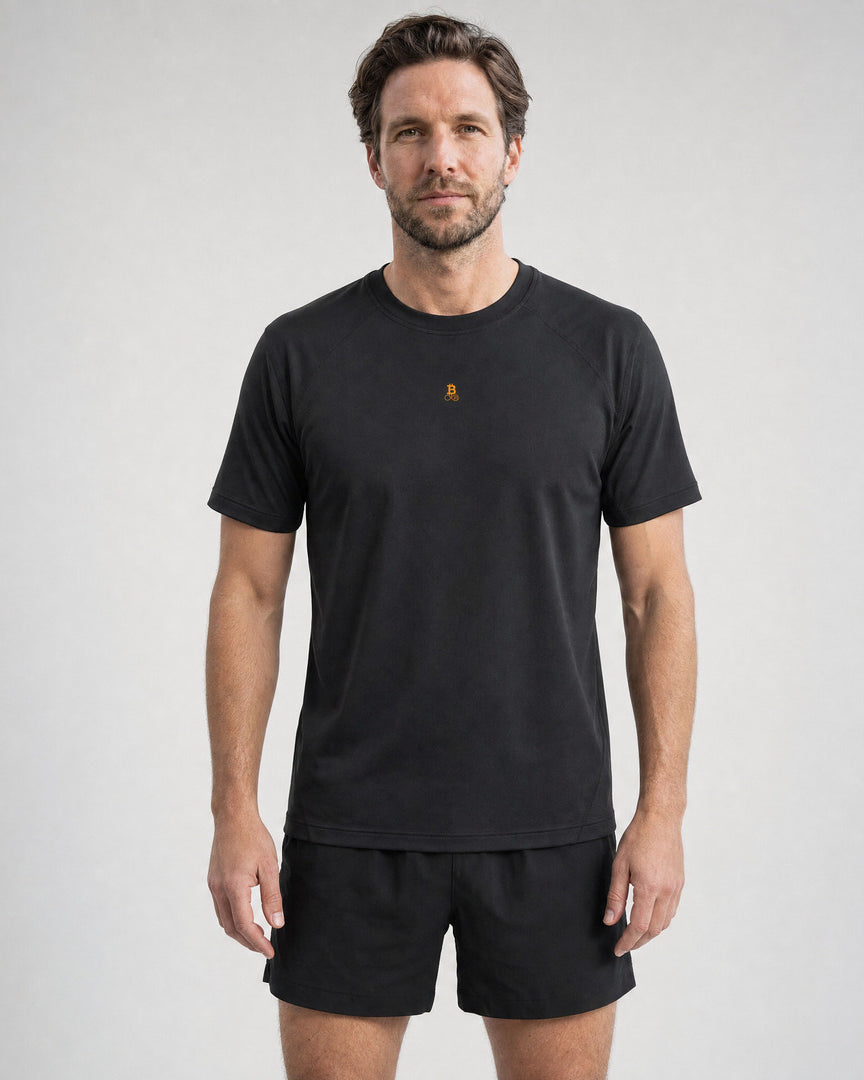
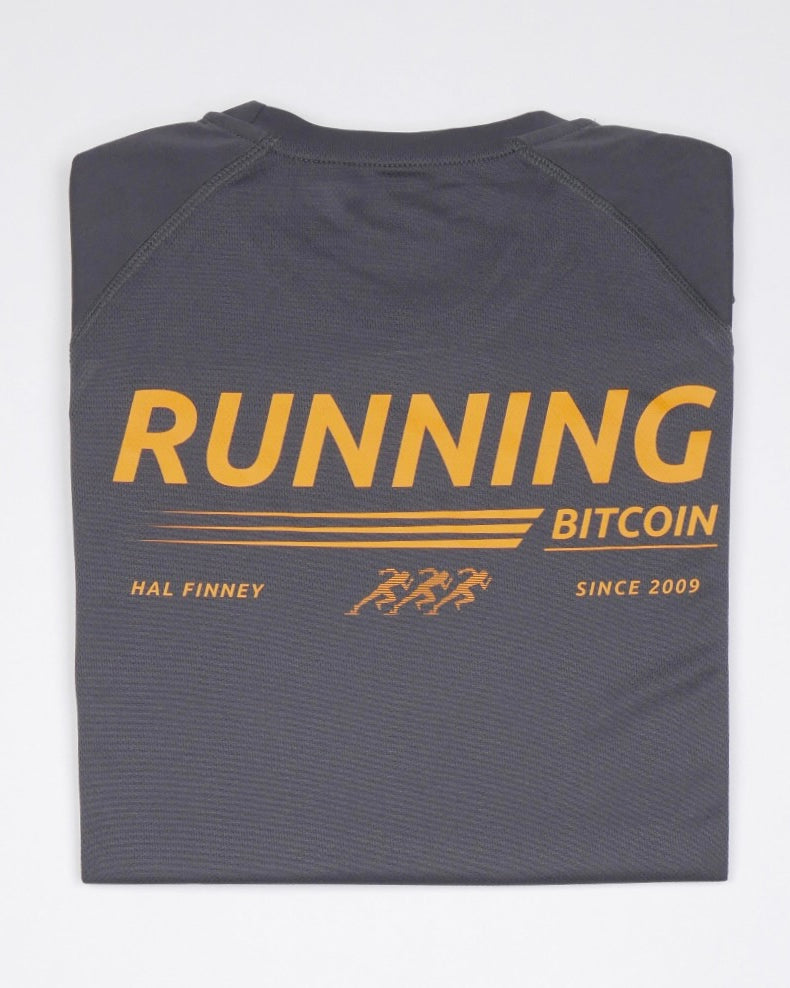
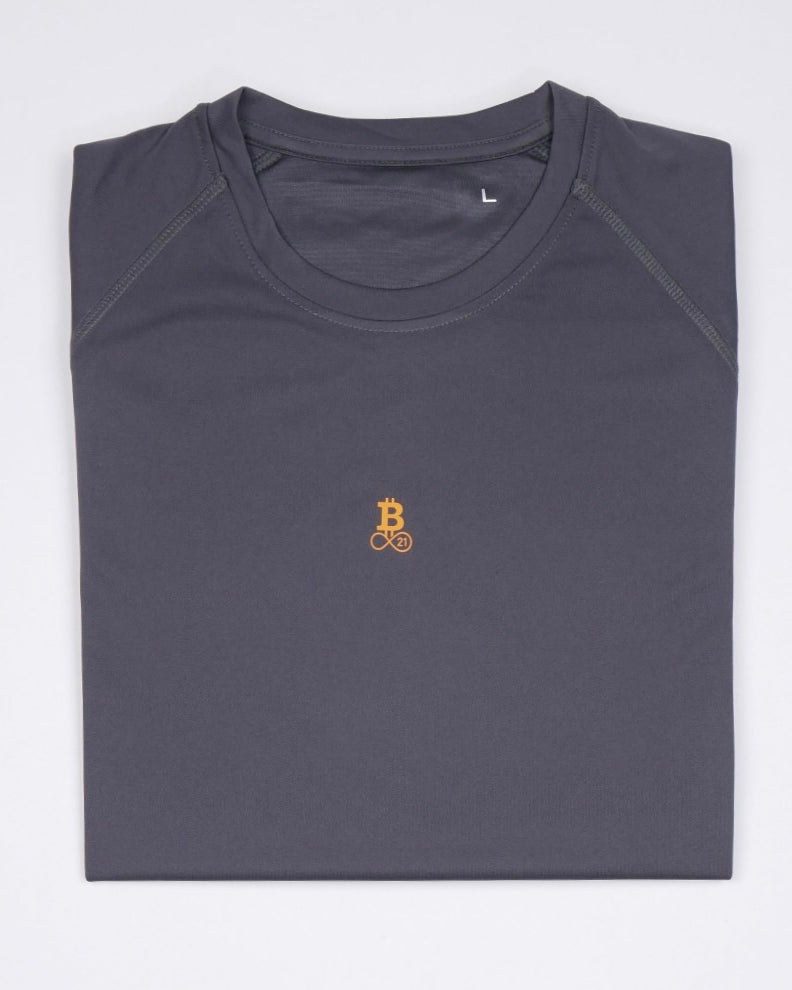
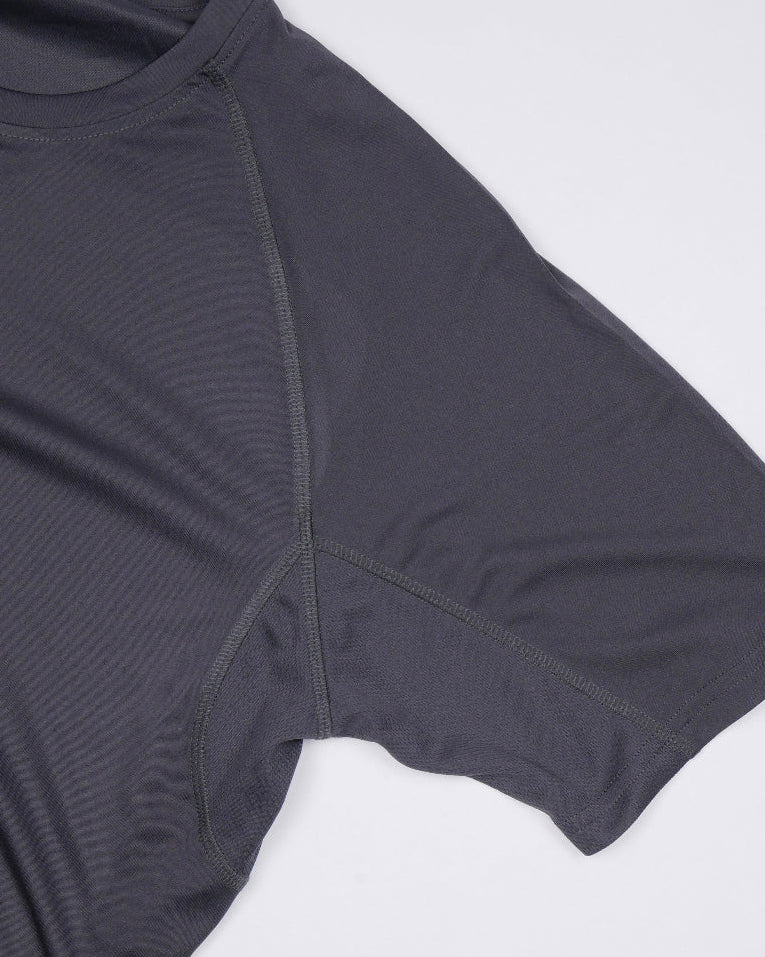
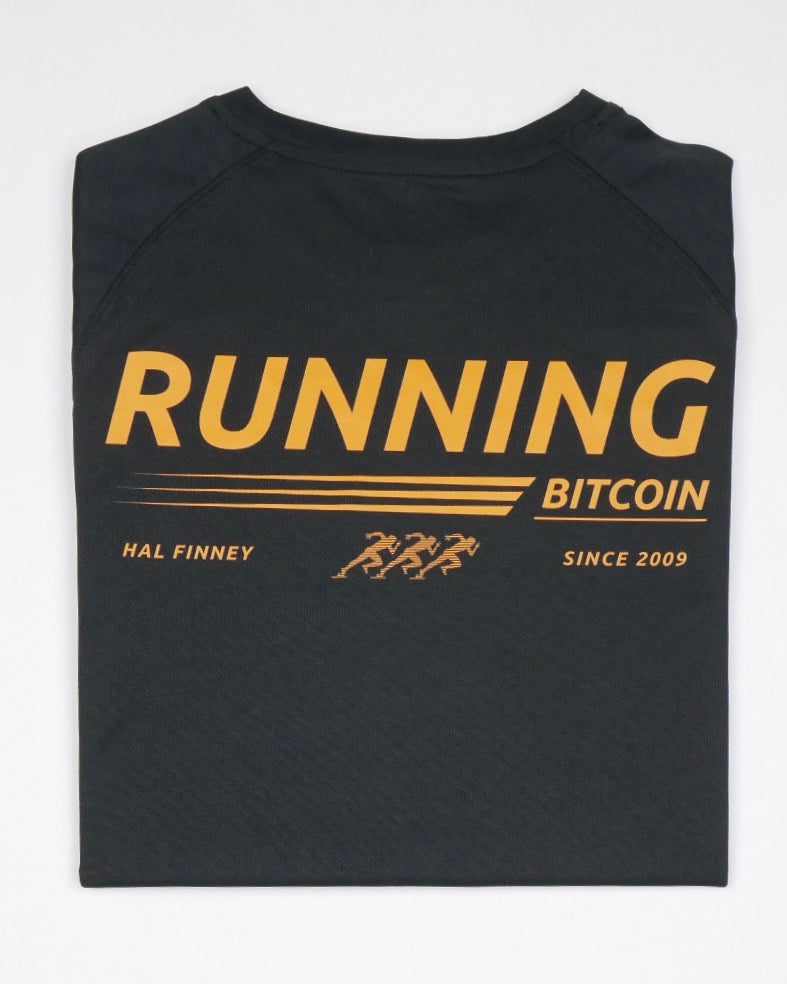
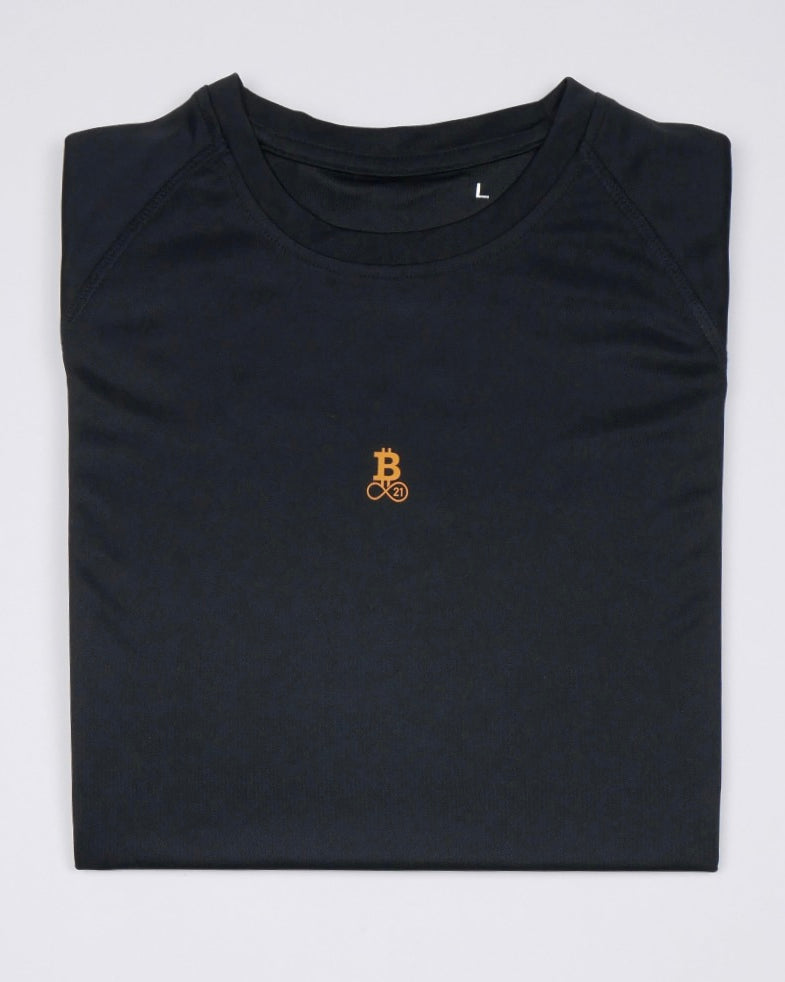
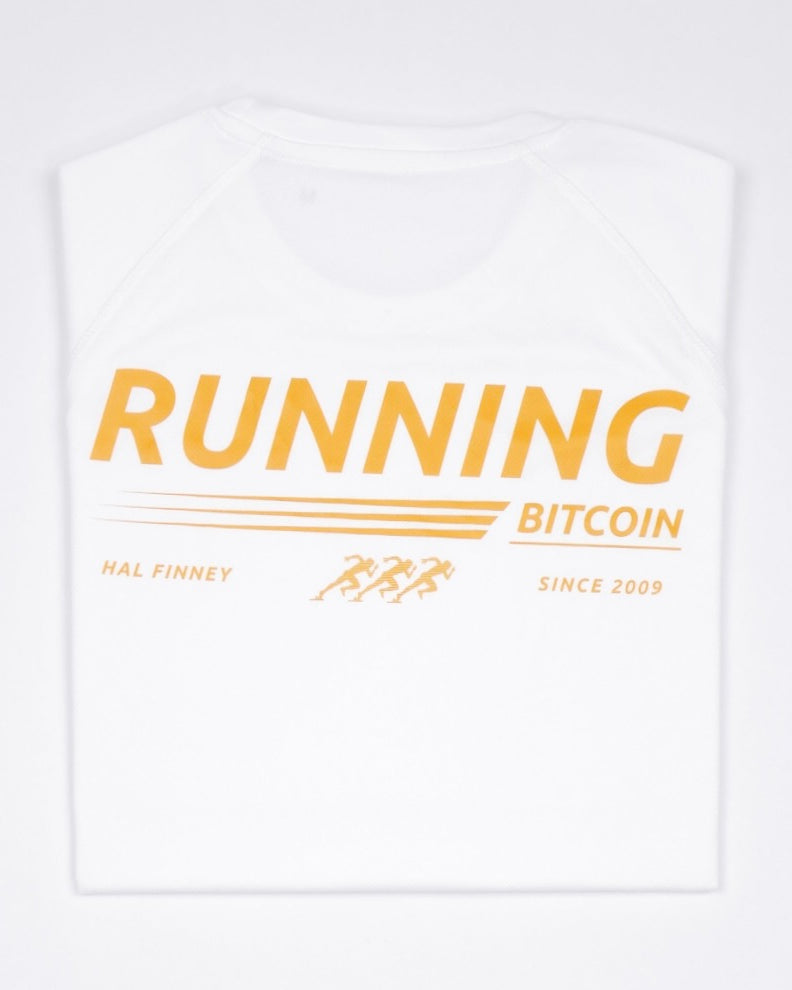
With clothes, that means one piece you'll wear for years beats five that end up in the bin after one season. That's how we try to make our pieces, with heavy fabrics and a logo that lasts. One example is our Bitcoin Hoodie Oversized. We call it low time preference for your wardrobe. What to look out for when you buy is in our guide to buying Bitcoin clothing.

Thinking long term, not just about money
At some point, a lot of Bitcoiners start thinking differently about consumption, about their work and about how they spend their time. Bitcoin doesn't force anyone to. What it does give you is a set of fixed rules you can use to plan for the long term.
That's why the 21 is in our name: as a reminder that limits make you more mindful, with money and in life.
Sources
Common questions about time preference
What does high time preference mean?
If you have a high time preference, you strongly favour the present over the future: you'd rather consume now than save, and you'd rather take the quick reward than the long-term benefit.
What does low time preference mean?
Low time preference means you can wait. You consciously go without something today so you'll have more later, whether it's saving money, getting an education or buying things that last a long time.
Where does the term time preference come from?
From economics, mainly the Austrian School around Eugen von Böhm-Bawerk and Ludwig von Mises. In the Bitcoin world, Saifedean Ammous made it popular with his book “The Bitcoin Standard”.
What does Bitcoin have to do with low time preference?
Bitcoin is capped at 21 million and can't be increased at will. Nobody can expand the supply after the fact. For many people, that makes saving and long-term thinking more attractive, even though the price swings a lot. That's why low time preference is seen as a core principle among Bitcoiners.
Keep stacking sats, Tobi & Henry
P.S.: In Germany, the tax rules still reward holding for the long term: gains on privately held Bitcoin are tax-free after a holding period of more than one year. Our article Bitcoin Holding Period: The Petition, the Hearing and What You Can Do Now explains why that rule is on shaky ground politically.