“Why do you only do Bitcoin?” We hear that question a lot. No altcoins, no tokens, nothing with “Crypto” across your chest. To us, Bitcoin is something fundamentally different from crypto, and here we’ll explain why we see it that way.
Where Bitcoin comes from
On 31 October 2008, someone using the name Satoshi Nakamoto published a nine-page paper: the Bitcoin whitepaper. On 3 January 2009 the first block was created, and a few days later the network was running. Whether Satoshi is one person or a group is still unknown. In 2011, Satoshi stepped away from the project.
So there’s nobody at the top of Bitcoin. There’s no company behind it and no foundation that decides on the rules. There was no presale to investors either. In the first months, pretty much the only way to get Bitcoin was to mine it yourself, Satoshi included. You couldn’t buy it until the fall of 2009.
How it works with many other coins
With many other projects, a team holds a large share of the coins itself. Add early investors who got in cheap, and often a foundation that decides how things develop. That doesn’t have to be ill-intentioned. But it does mean a small group calls the shots and profits the most when the price goes up.
When someone talks about “crypto,” they usually mean everything at once: Bitcoin, thousands of altcoins and last week’s meme coin. To us, that’s like putting gold and Monopoly money in the same drawer.
Who sets the rules
With Bitcoin, every node on the network checks for itself whether a block follows the rules. Thousands of people around the world run these nodes, and you can too. Then your own computer checks every block, and you don’t have to take anyone’s word for it. That’s why nobody can change the rules alone, not a company and not a developer.
Bitcoin has still changed over the years, for example with SegWit in 2017 and Taproot in 2021. Each was debated for years first, and both only went live once users and miners broadly got on board. In 2017 we saw what happens without that backing. Big companies and mining pools had agreed in the New York Agreement to double the block size via a hard fork (SegWit2x). Many users and developers rejected it, and in November 2017 the plan was called off. We think that’s how it should be. Money should change slowly, and only when almost everyone agrees.
The 21 million Bitcoin limit hangs on this too. More on that in our article 21 Million: Why Limitation Means Freedom.
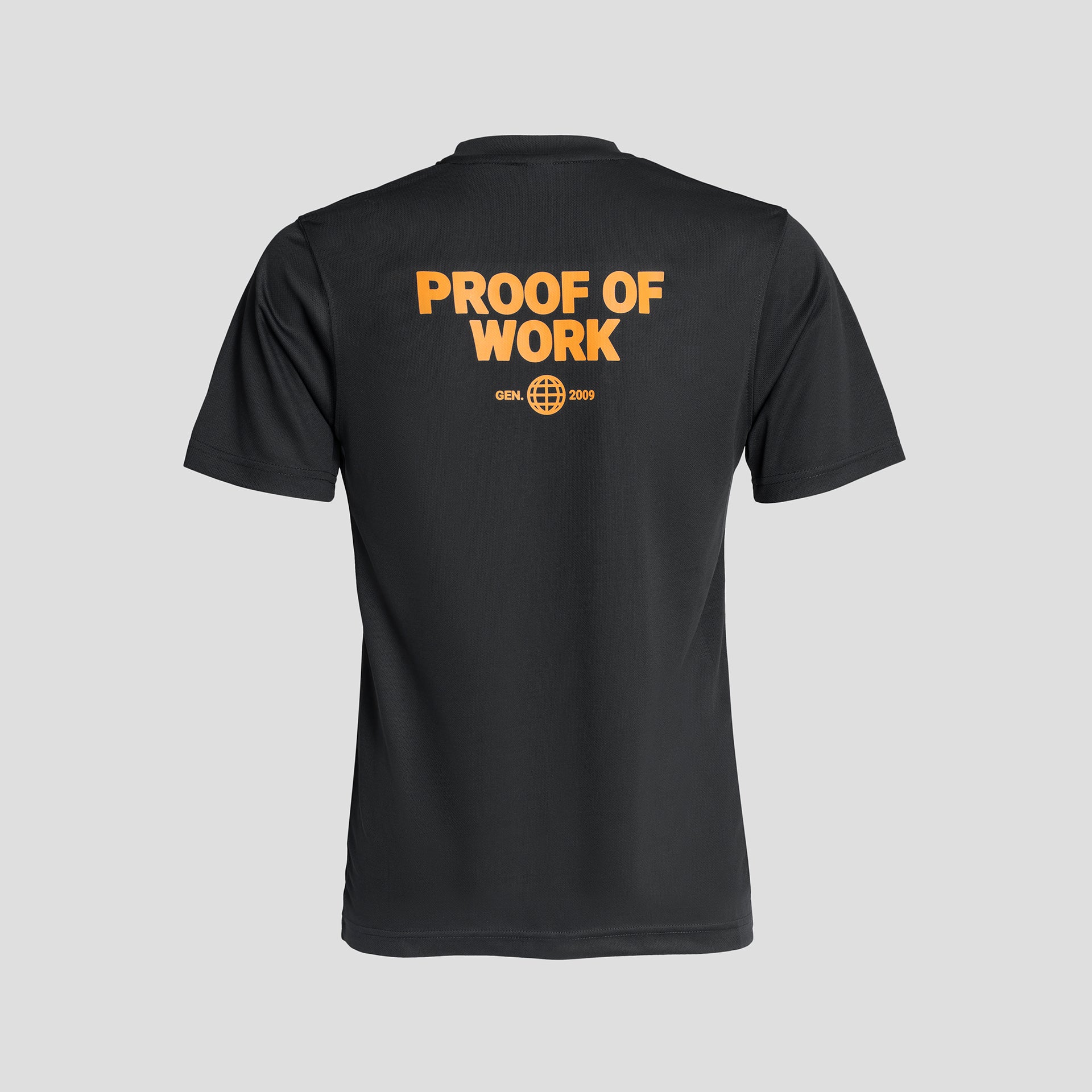
Proof of Work: security that costs something
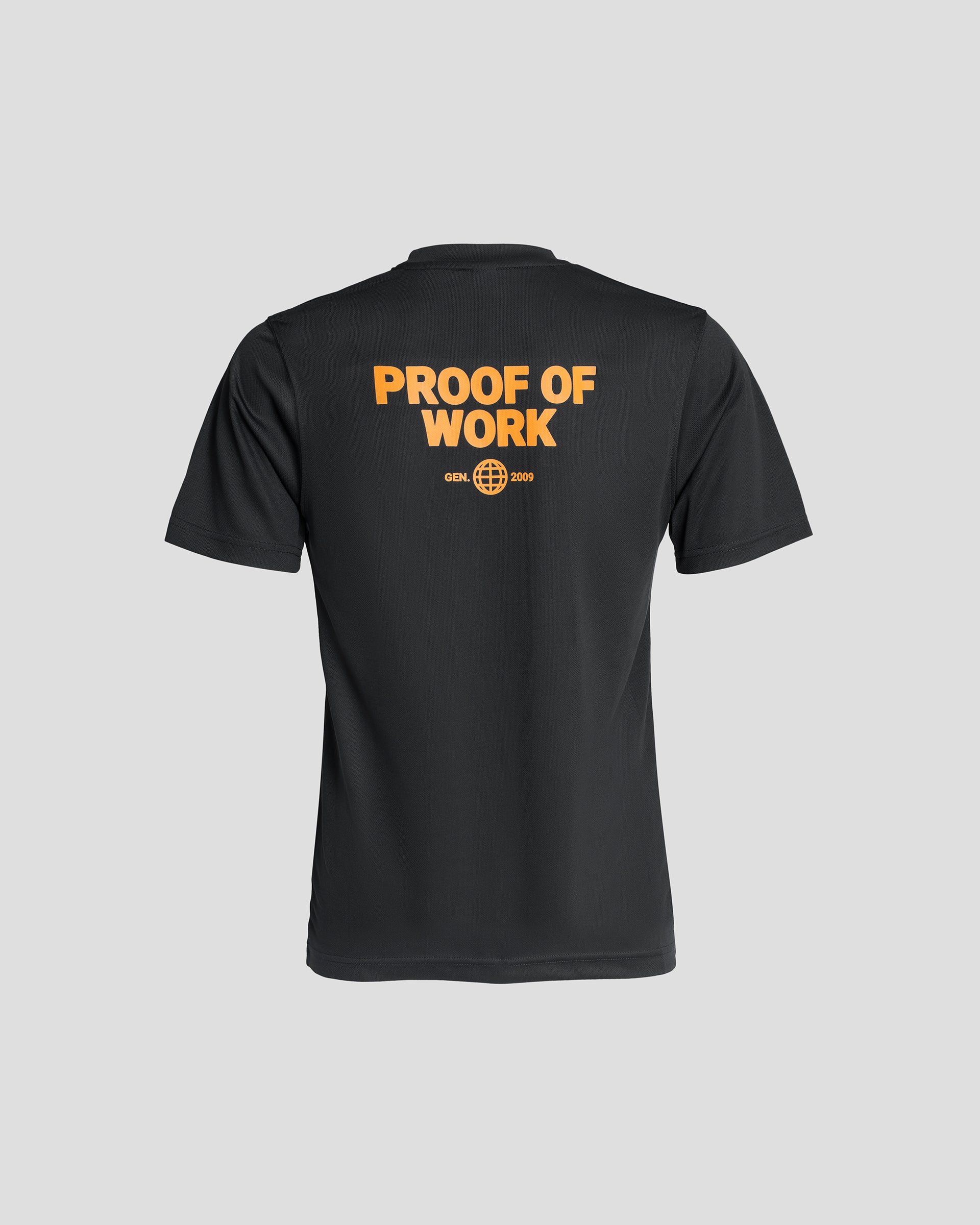
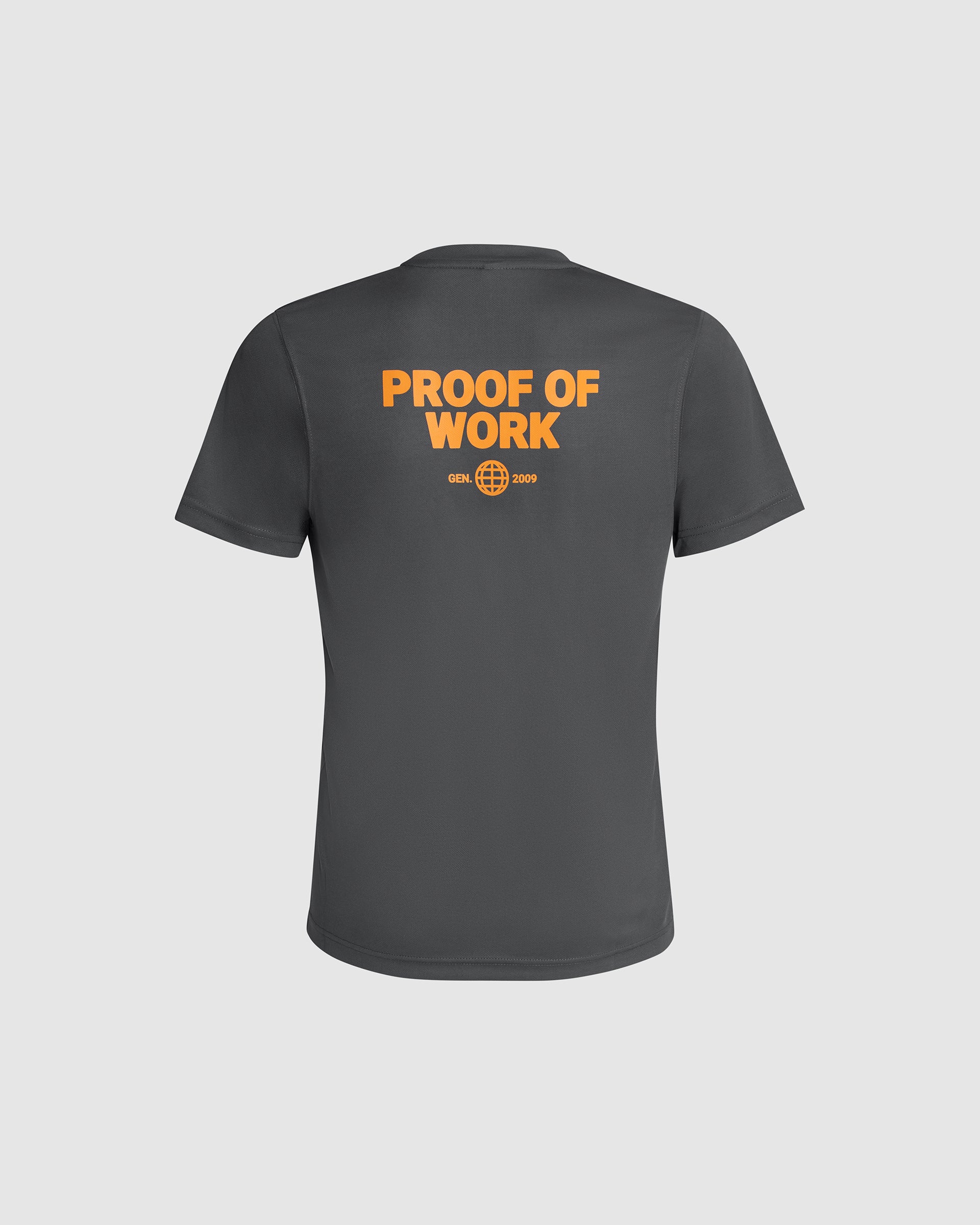
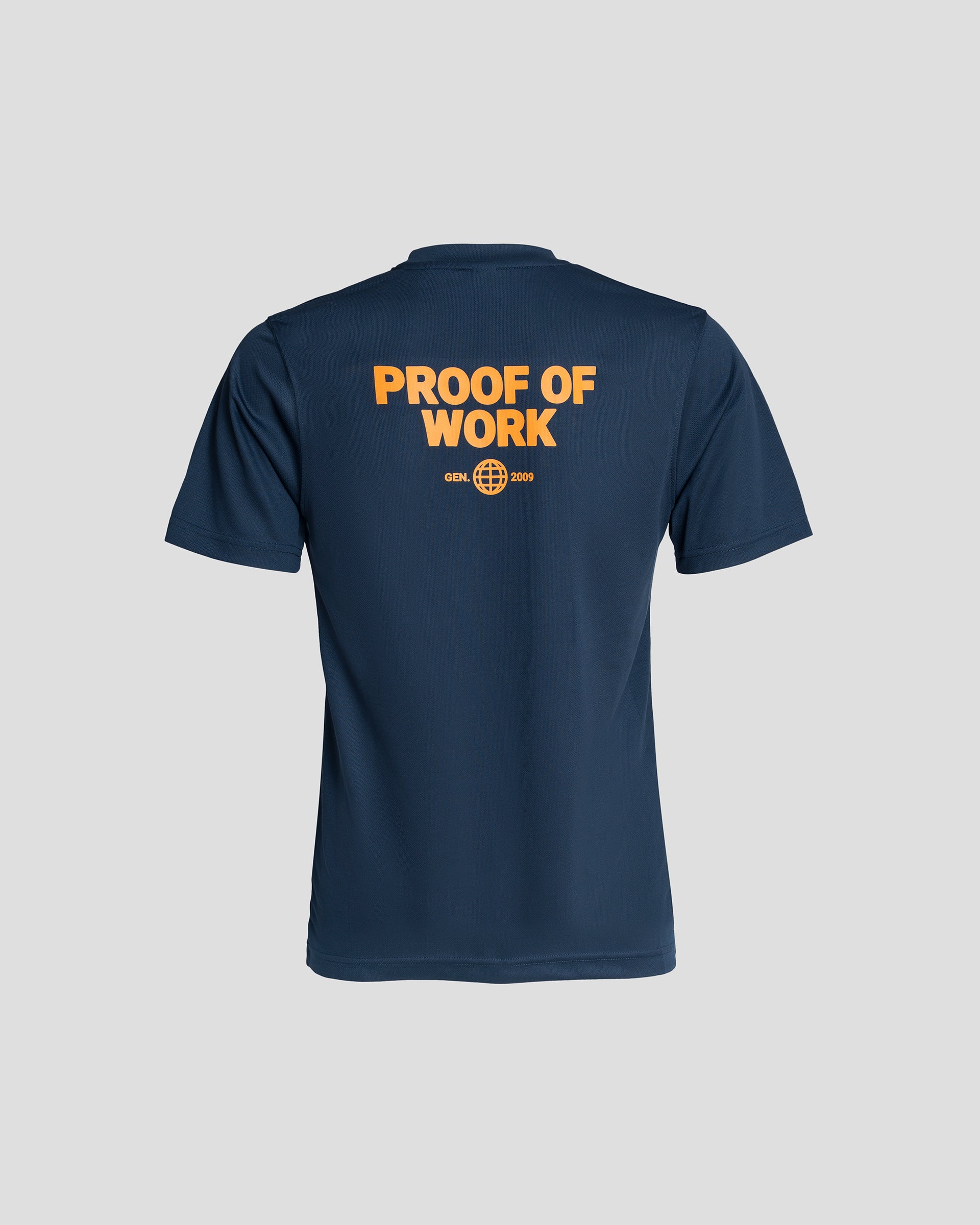
Bitcoin is secured by Proof of Work. Miners put in real computing power, and with it electricity, to find new blocks. Anyone who wanted to rewrite the transaction history would have to do that work all over again, faster than the rest of the network. That makes attacks extremely expensive.
Bitcoin isn’t the only network with Proof of Work, but it’s by far the biggest, with the most computing power behind it. Many other projects rely on Proof of Stake. There you lock up coins as collateral, and the more someone puts in, the more often they get to create new blocks and the more new coins they earn for it. A money where owning more automatically gets you more doesn’t fit what Bitcoin is about, as we see it. How we see the principle in everyday life is in Proof of Work: A Principle for Life.
Why we’re Bitcoin-only
We’re Bitcoiners, we live and love Bitcoin and stand fully behind it. What we care about is money that nobody can print more of at will and that you can hold yourself. If you hold your own keys, nobody can just freeze your money. That has little to do with altcoin speculation.
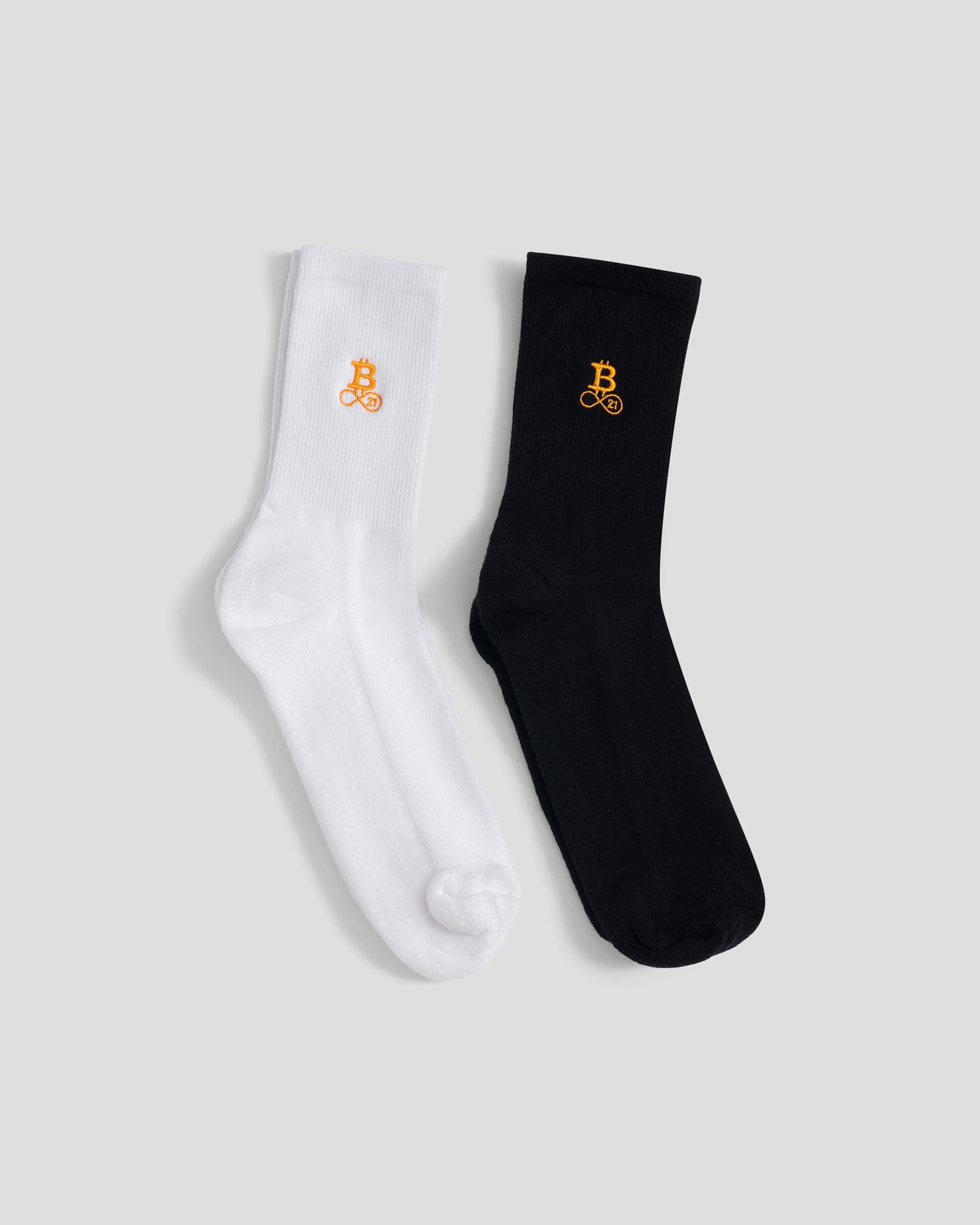
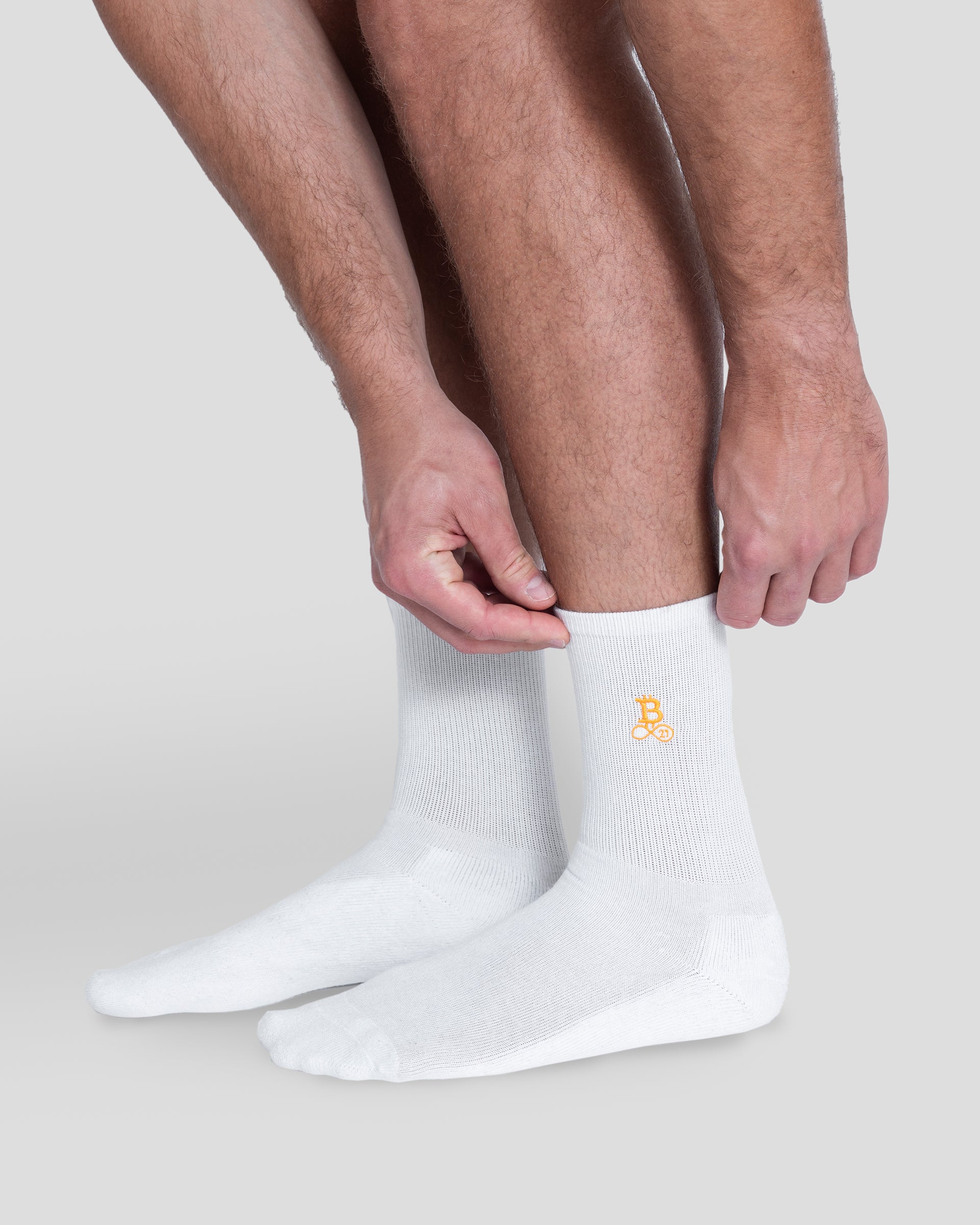
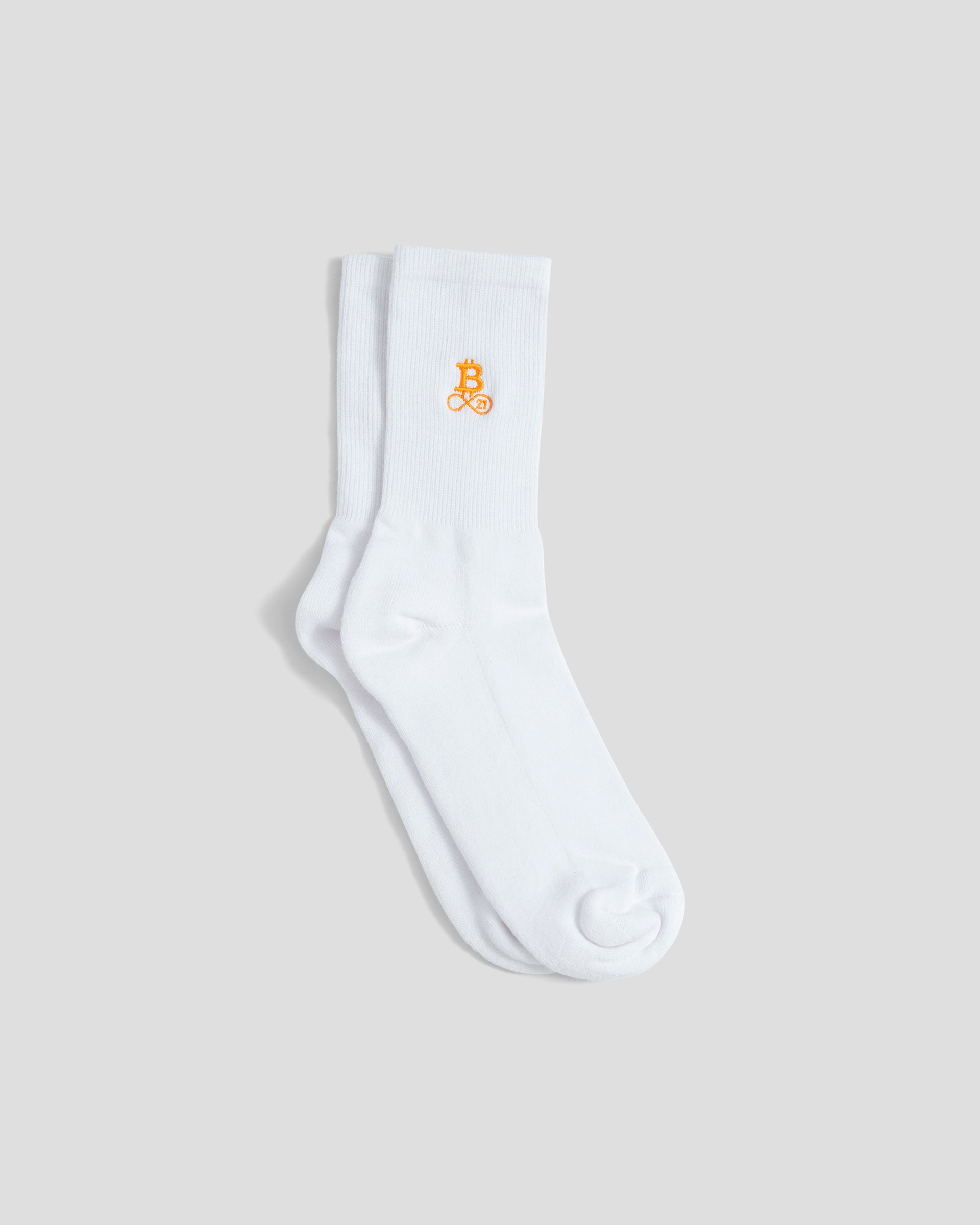
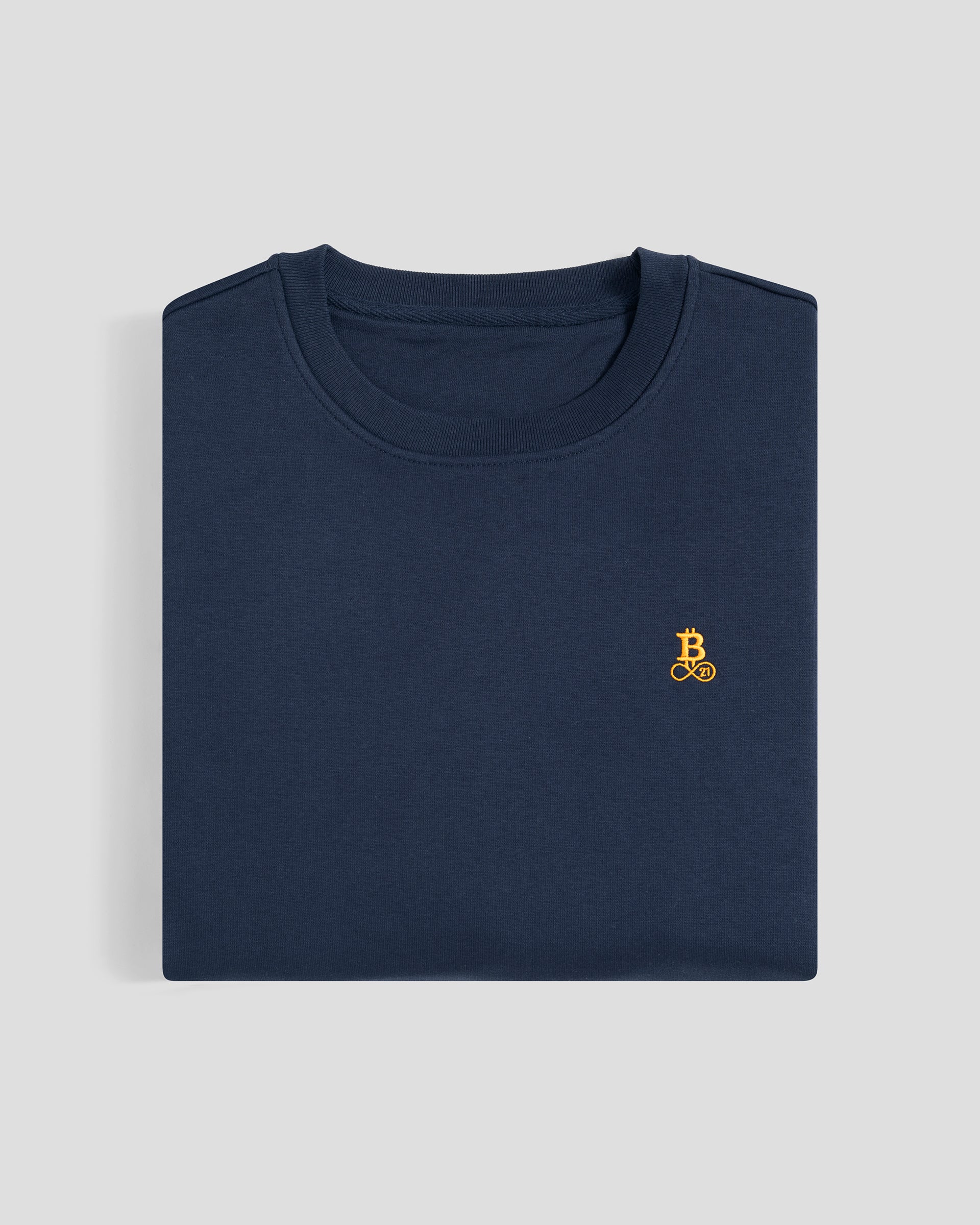
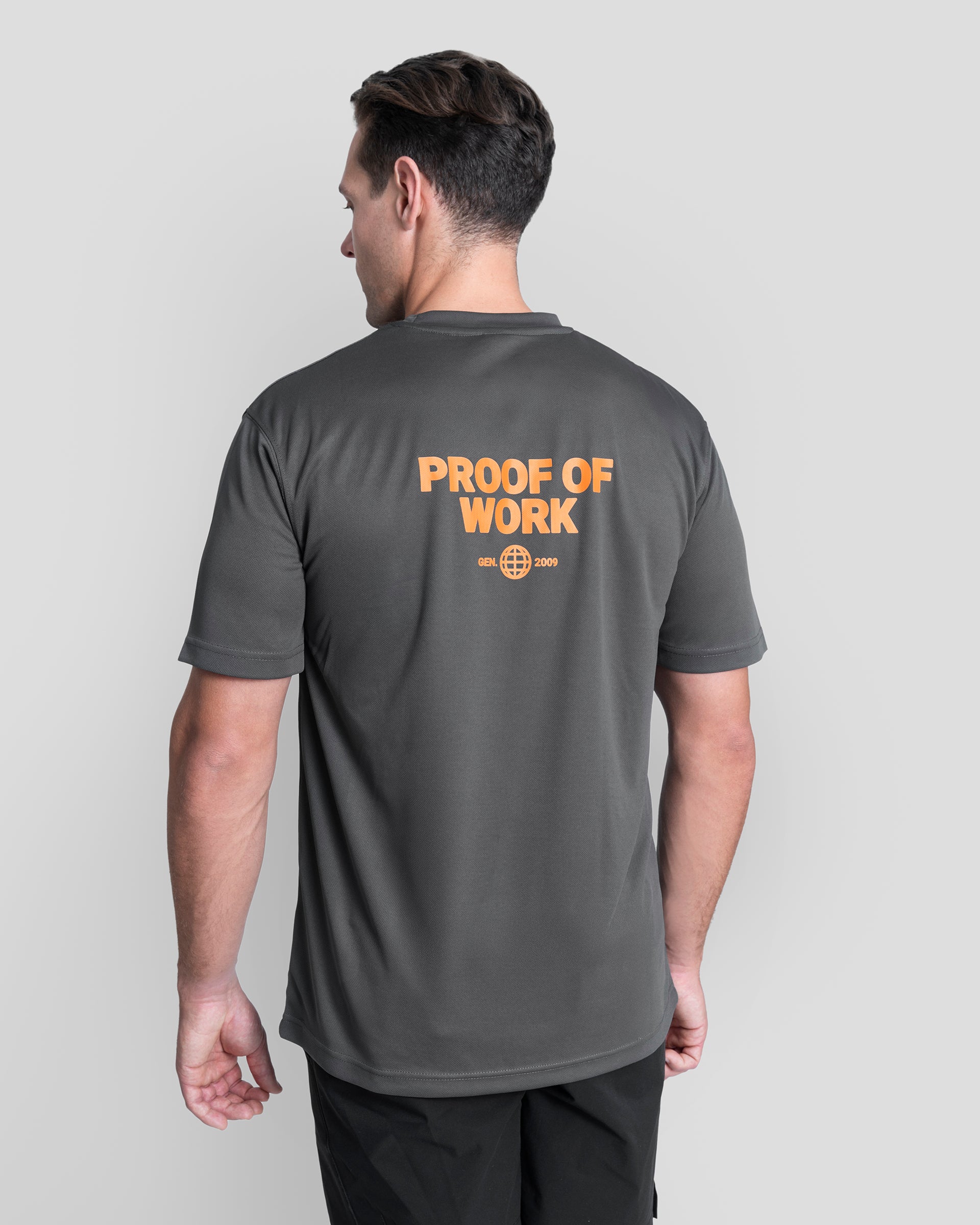
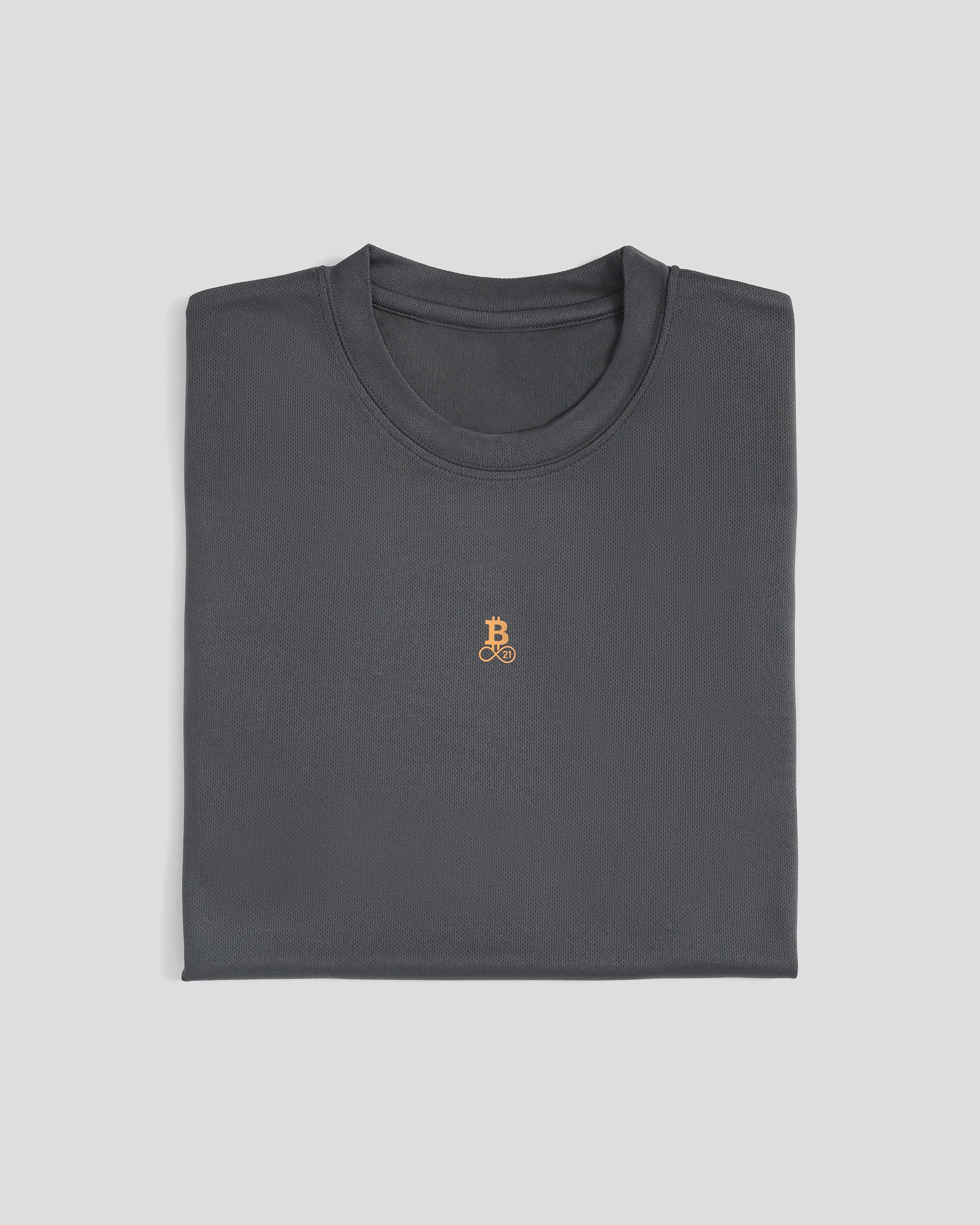
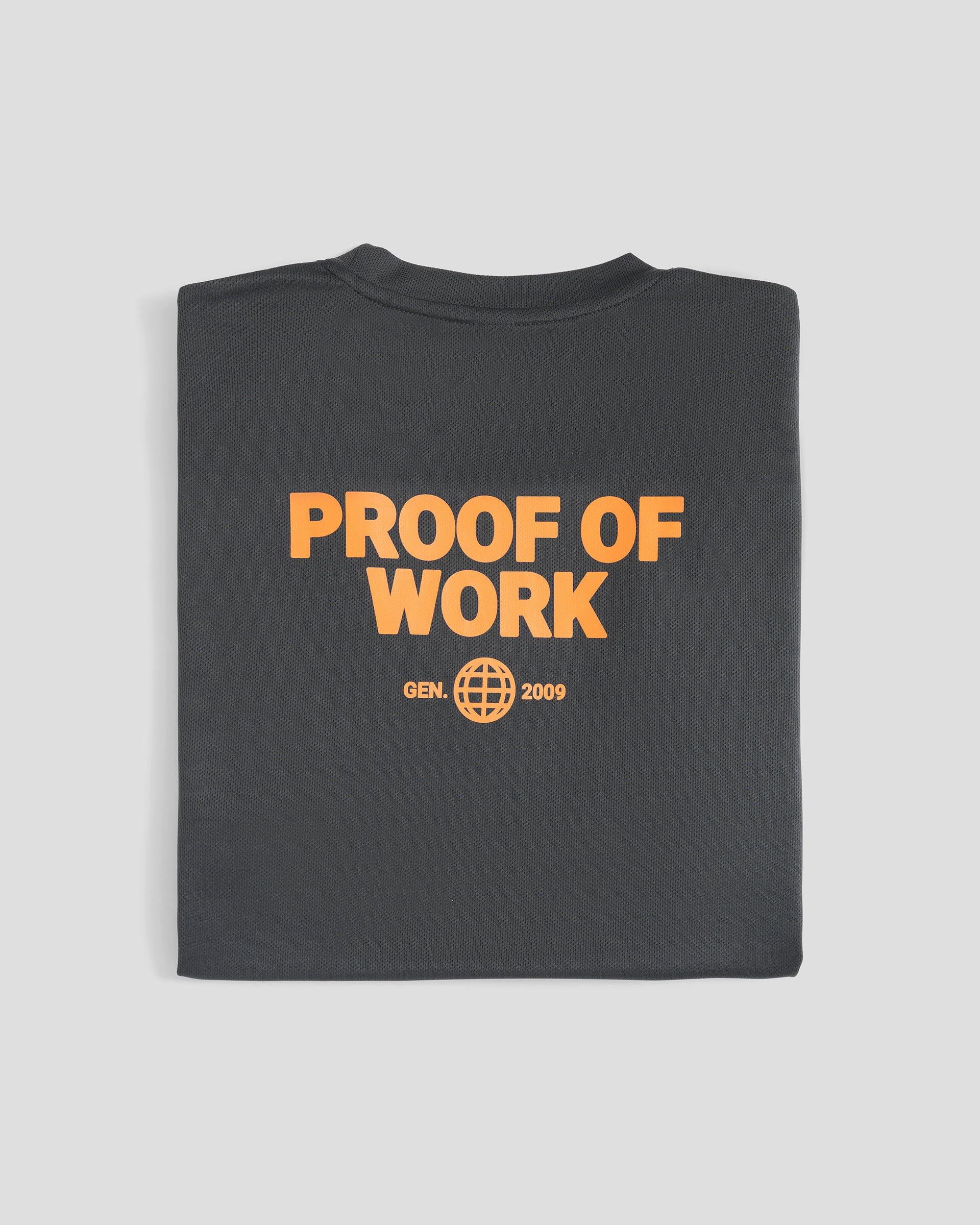
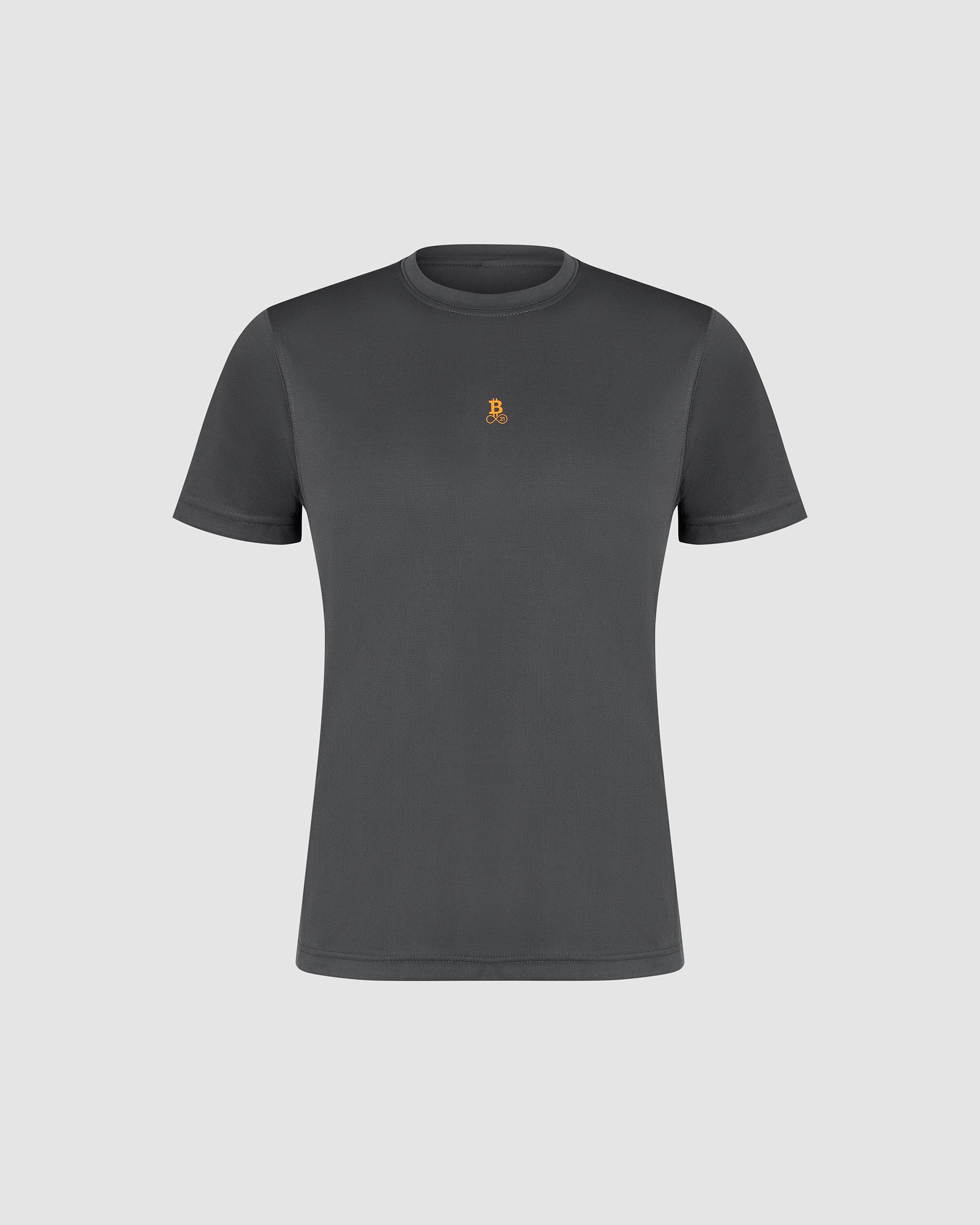
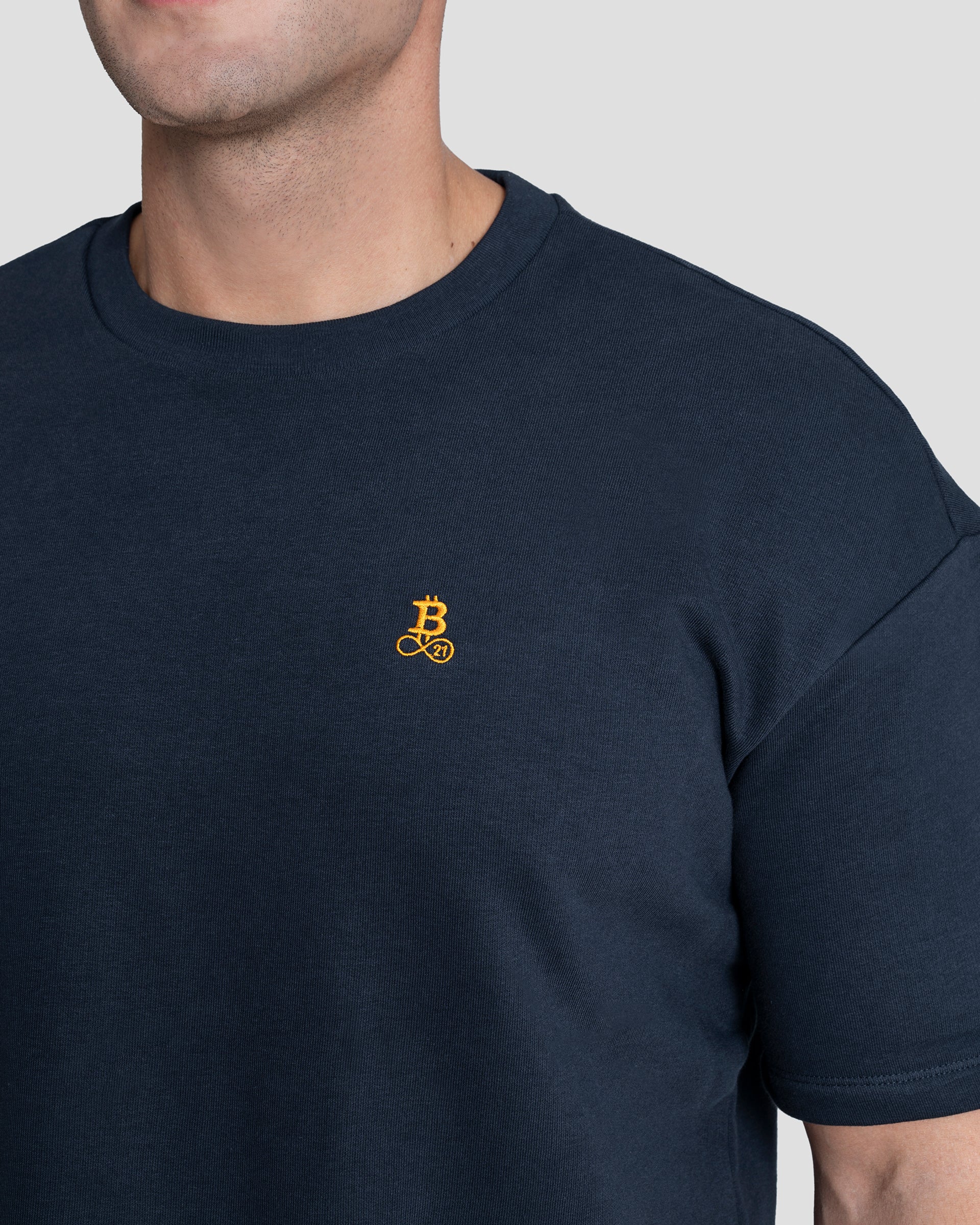
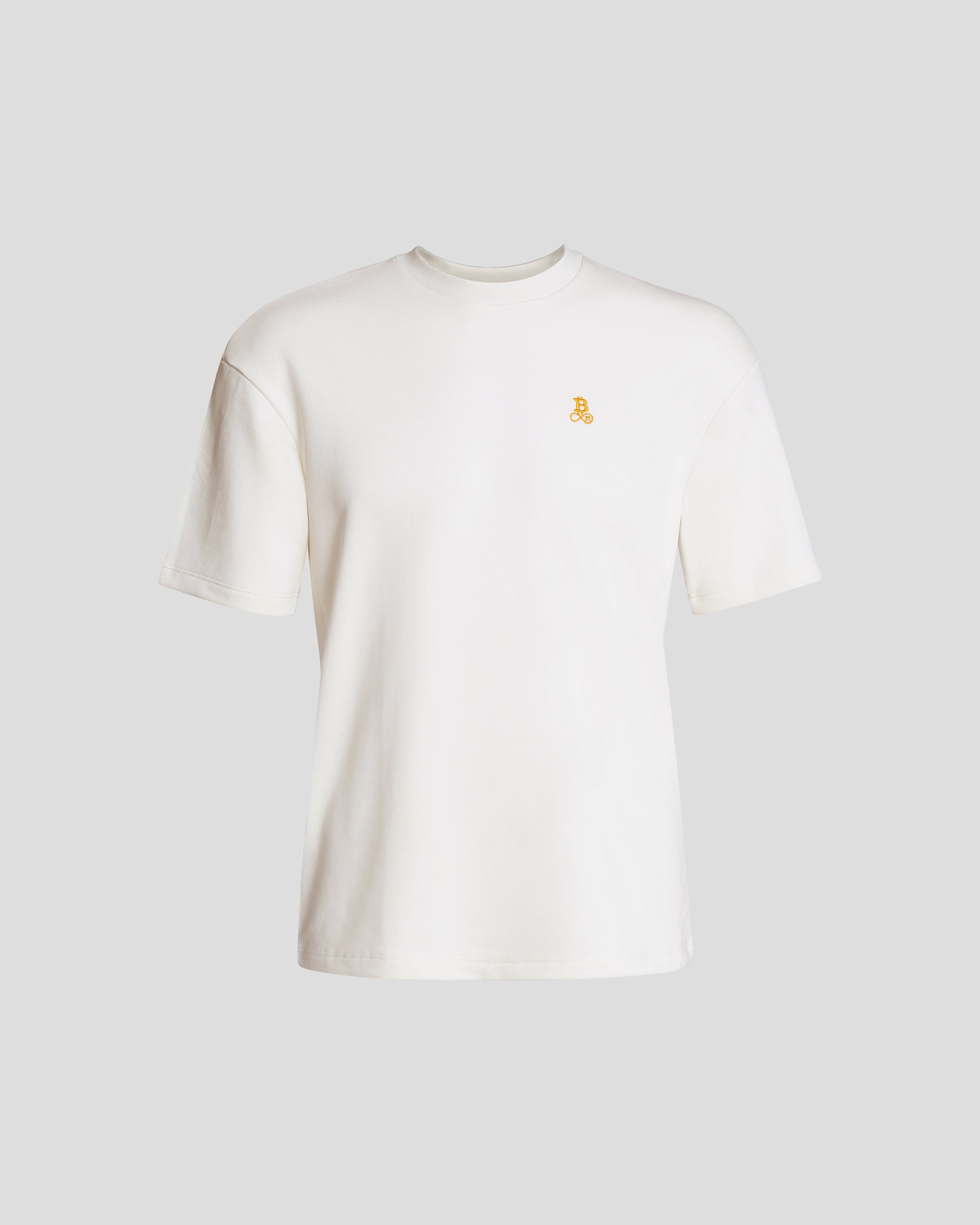
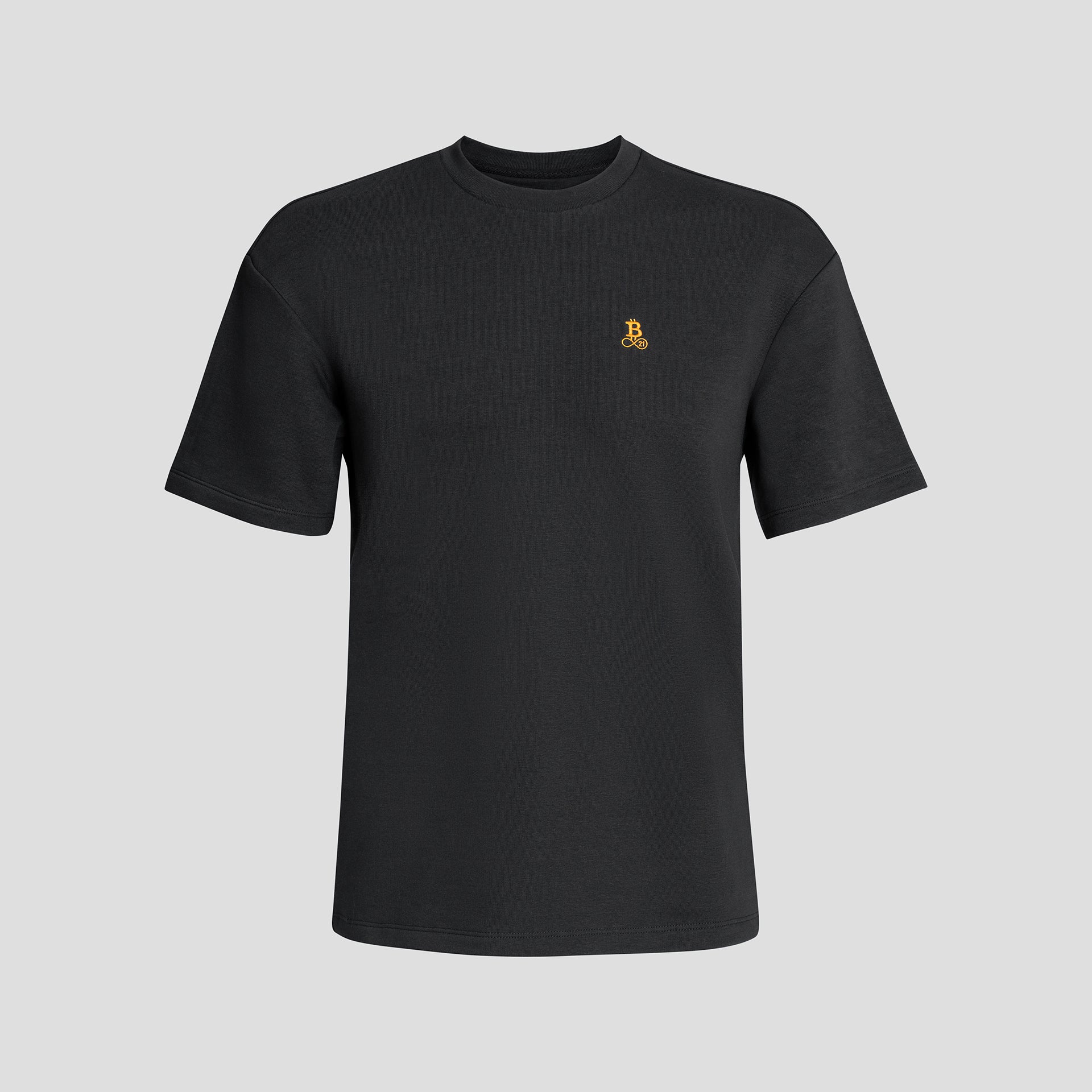
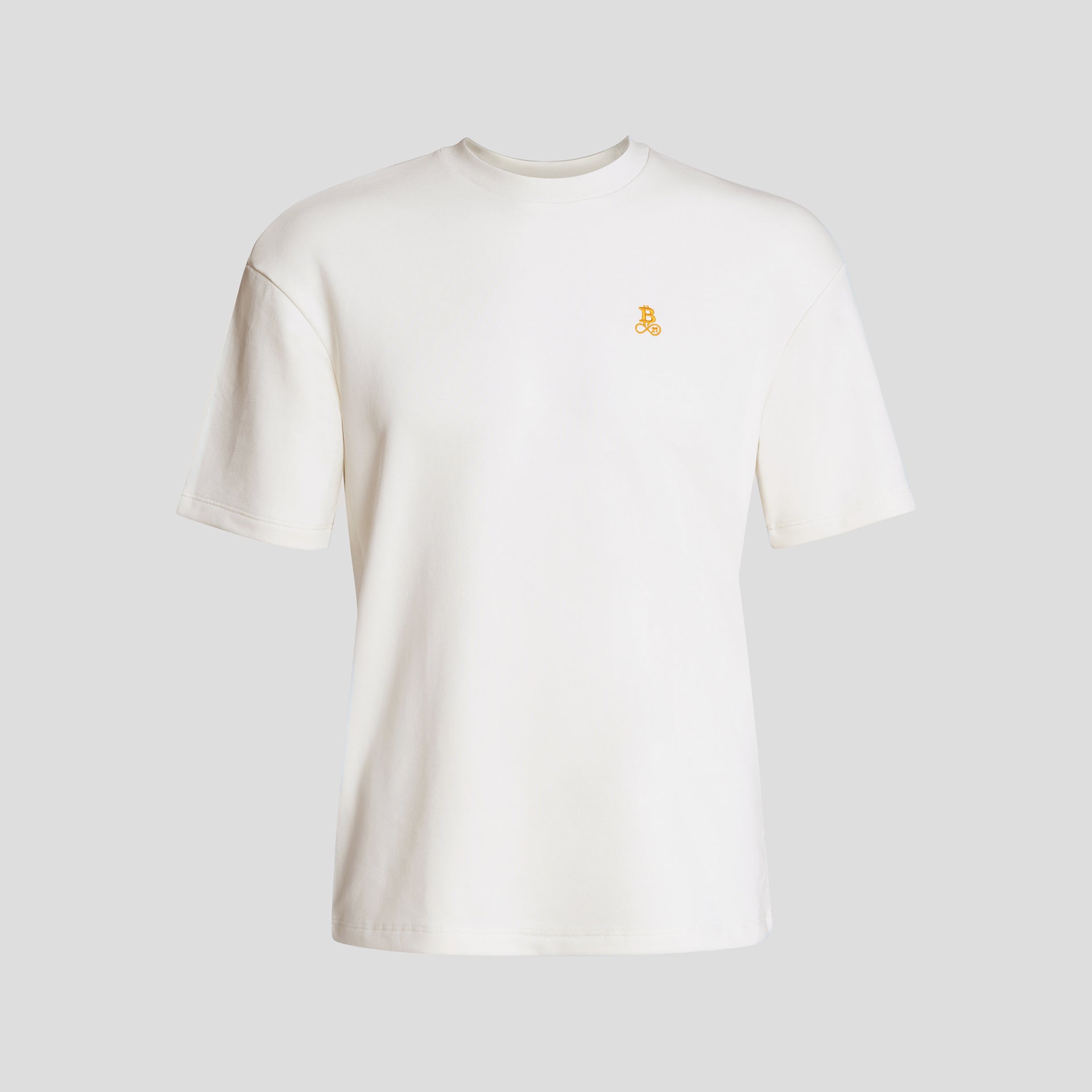
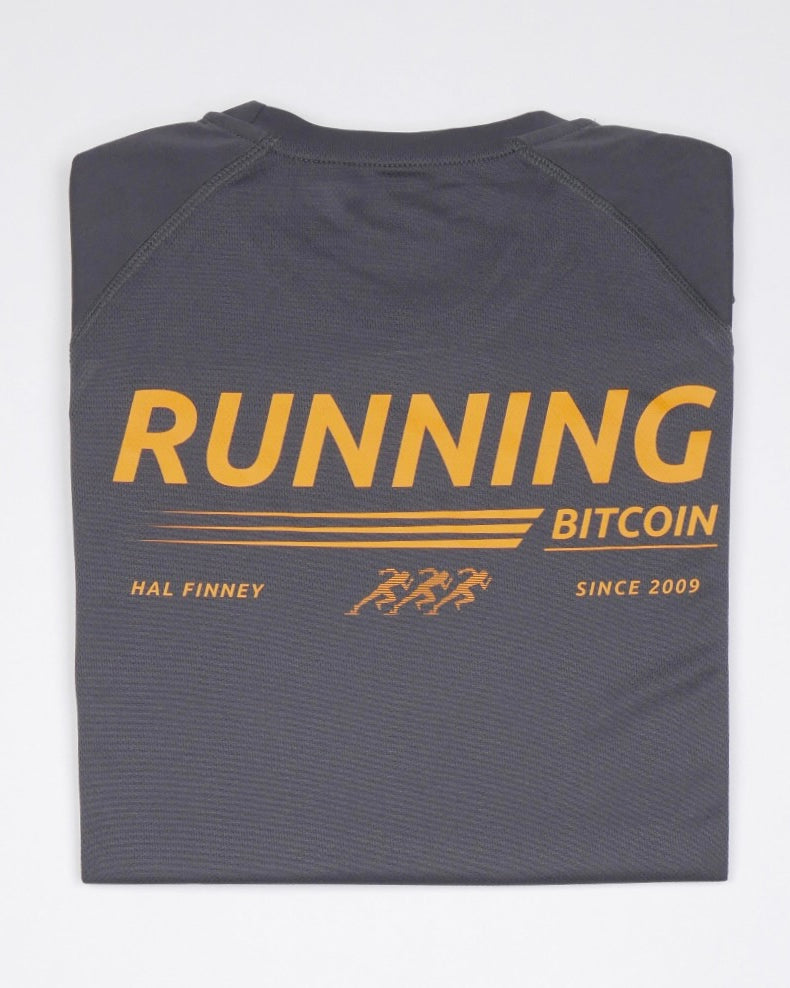
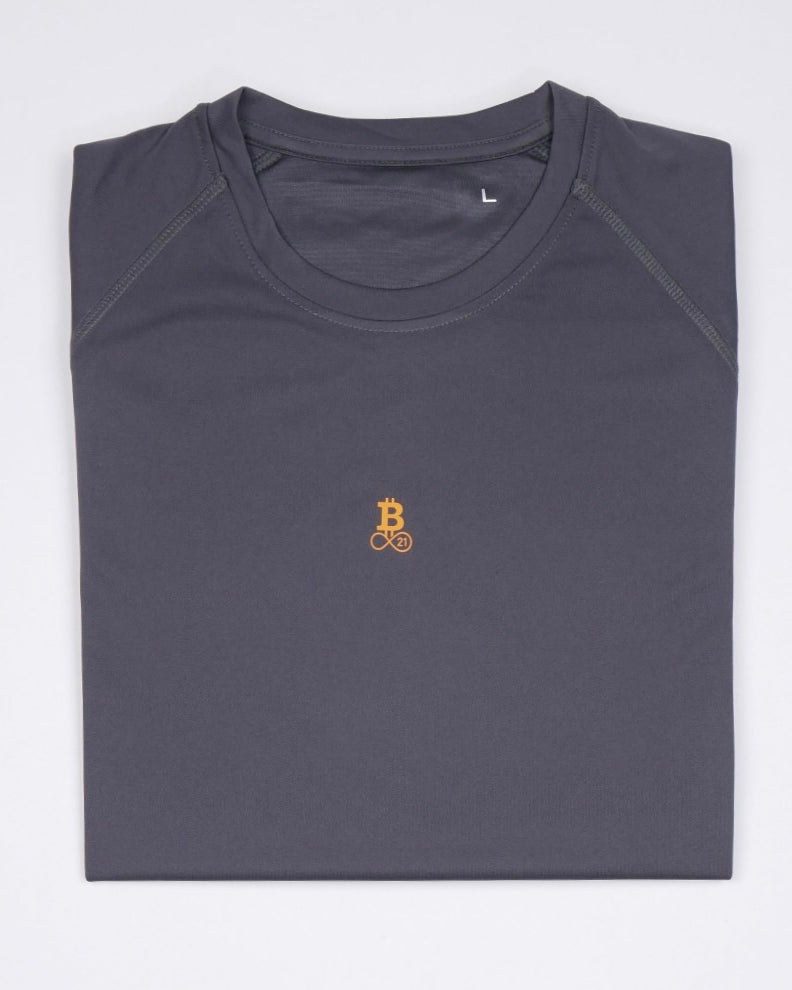
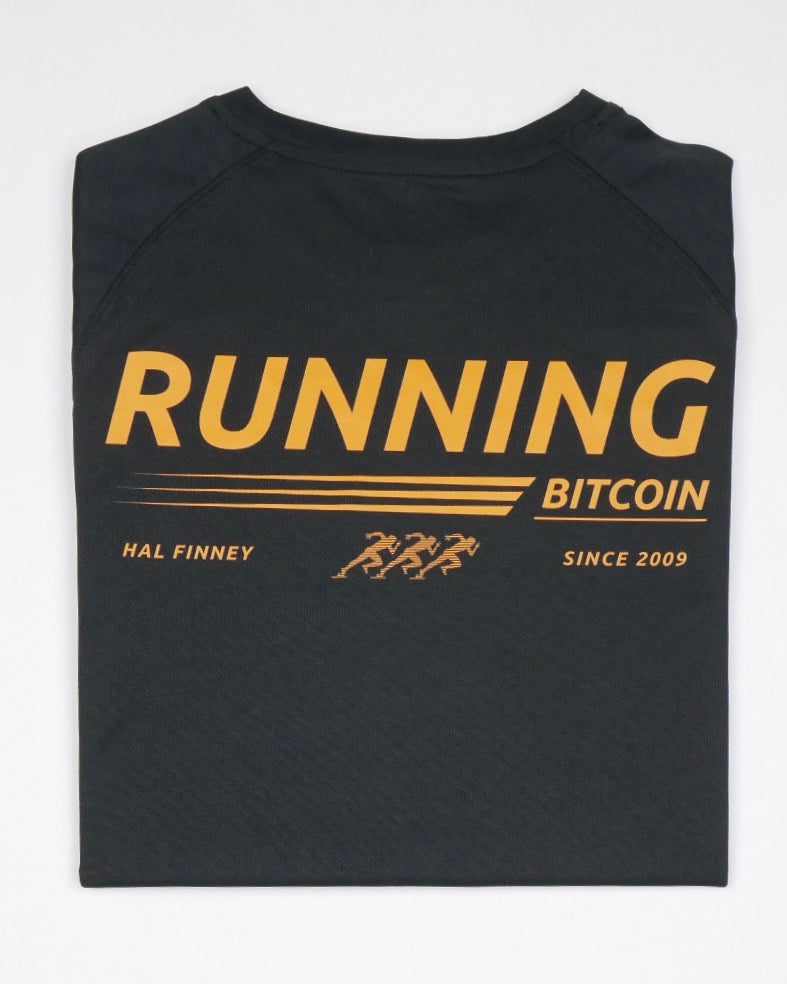
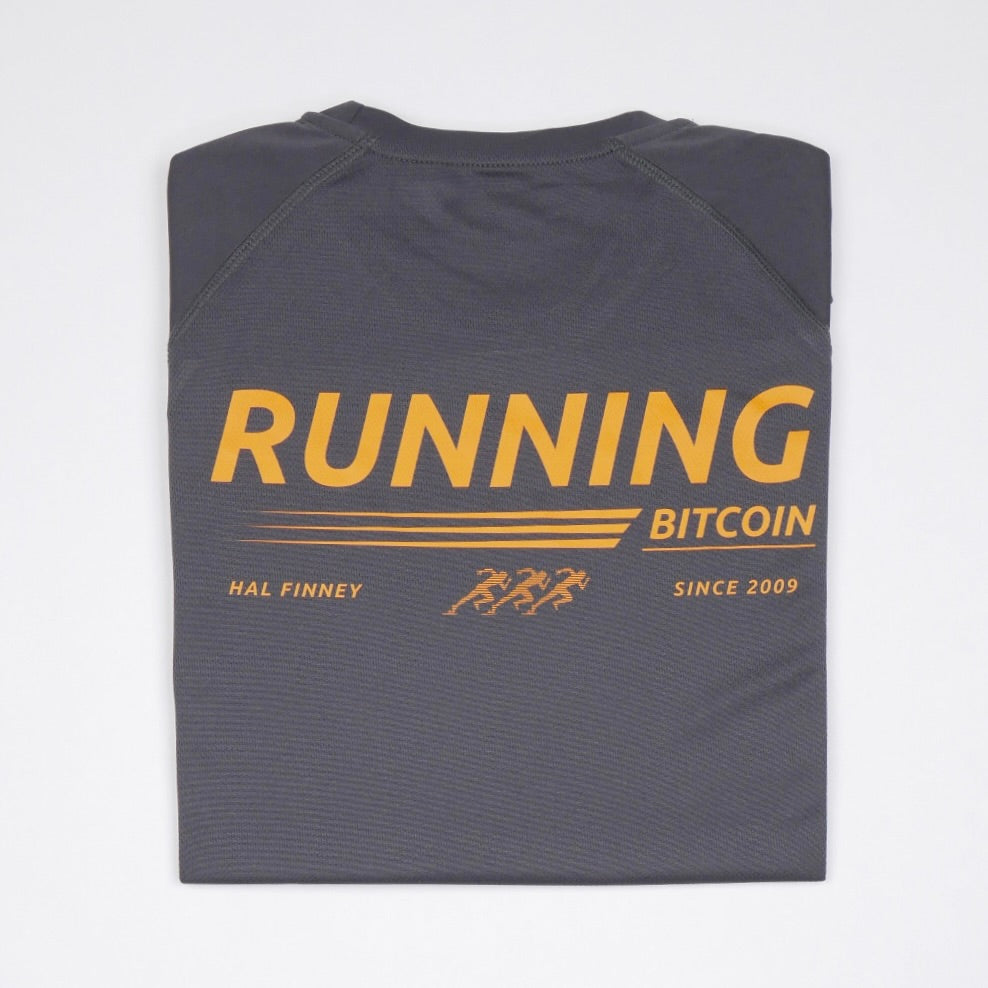
That’s why our pieces don’t say “Crypto” or “Blockchain.” They carry the Bitcoin21 logo, in orange or subtly tone on tone. How visibly you wear it is your call. Our Bitcoin T-shirts are a good place to start. And of course you can pay with Bitcoin in our shop, on-chain and via Lightning.
Frequently asked questions
What’s the difference between Bitcoin and crypto?
Bitcoin has no company and no founder who still has a say. There was no presale to investors, and the supply is capped at 21 million. With many other coins, a team and early investors have a say. “Crypto” lumps both together.
Can anyone change Bitcoin’s rules?
Not alone. Every node checks the rules for itself. Changes like SegWit or Taproot took years and only came once users and miners broadly got on board.
Is Bitcoin the only network with Proof of Work?
No, but it’s by far the biggest. Many other projects use Proof of Stake, where staked coins decide who gets to create new blocks.
Why does Bitcoin21 only sell Bitcoin clothing?
We’re Bitcoiners ourselves and only want to wear what we stand for. You won’t find any altcoin designs here, and you can pay with Bitcoin.
Keep stacking sats, Tobi & Henry