There will never be more than 21 million Bitcoin. No central bank, no government and no company can just print more. For us, that's the most important thing about Bitcoin, and it's even in our name. Here we explain where the limit comes from, who enforces it and why, to us, scarcity has a lot to do with freedom.
Why is Bitcoin capped at 21 million?
The 21 million comes from a simple issuance schedule that Satoshi Nakamoto set: roughly every ten minutes, a new block is created. In the beginning, each block came with a reward of 50 Bitcoin, and every 210,000 blocks that reward gets cut in half. Add it all up and you get 20,999,999.9769 Bitcoin, just under 21 million.
No company or central bank enforces this limit. The consensus rules do, and every Bitcoin node checks them for itself. If a block creates more new Bitcoin than the rules allow, the nodes reject it. So anyone who wanted to change the 21 million would have to convince most of the people who run and use the network. And those are exactly the people who hold Bitcoin because it's scarce. On top of that, Proof of Work makes sure nobody can rewrite the transaction history.
Halving: new Bitcoin keep getting rarer
Cutting the block reward in half is called the halving, and it happens roughly every four years. Since April 2024, miners have been getting 3.125 Bitcoin per block. In March 2026, the 20-millionth Bitcoin was mined. So the last million is coming in slower and slower, and the final fractions are expected around the year 2140. After that, miners will only earn transaction fees.
One Bitcoin can be split into 100 million satoshis, or sats for short. That makes roughly 2.1 quadrillion sats in total. You don't need to own a whole Bitcoin to be part of this.
What scarcity has to do with freedom
The amount of euros and dollars grows year after year, and it's central banks and banks that decide how fast, not you. When the money supply grows faster than the things you can buy with it, every single euro loses value. You work, you save, and still your savings buy you a little less every year. Most people don't notice this directly. They just notice that everything keeps getting more expensive.
With Bitcoin, the supply is fixed. Everyone knows how many Bitcoin there will eventually be, and nobody can dilute your share beyond the fixed issuance schedule. That doesn't mean the price stays put. Quite the opposite, it swings a lot. But the rules don't change overnight just because someone wants to fix a short-term problem. To us, that's freedom: money whose rules don't shift under your feet.
Gold, only digital
Hard money isn't a new idea. Gold stayed valuable for thousands of years because it takes a lot of effort to get more of it. But gold is hard to split into small amounts, moving it around is a pain, and you can't tell by looking at a bar whether it's real. And again and again throughout history, governments have seized it.
Bitcoin takes the scarcity of gold and makes it digital. You can split it into tiny units, send it around the world in minutes and verify it yourself with your own node. And if you hold your own keys, you don't need anyone's permission for any of it. That's why we keep Bitcoin separate from everything else. Our article Bitcoin Is Not Crypto explains why.
The 21 in our name
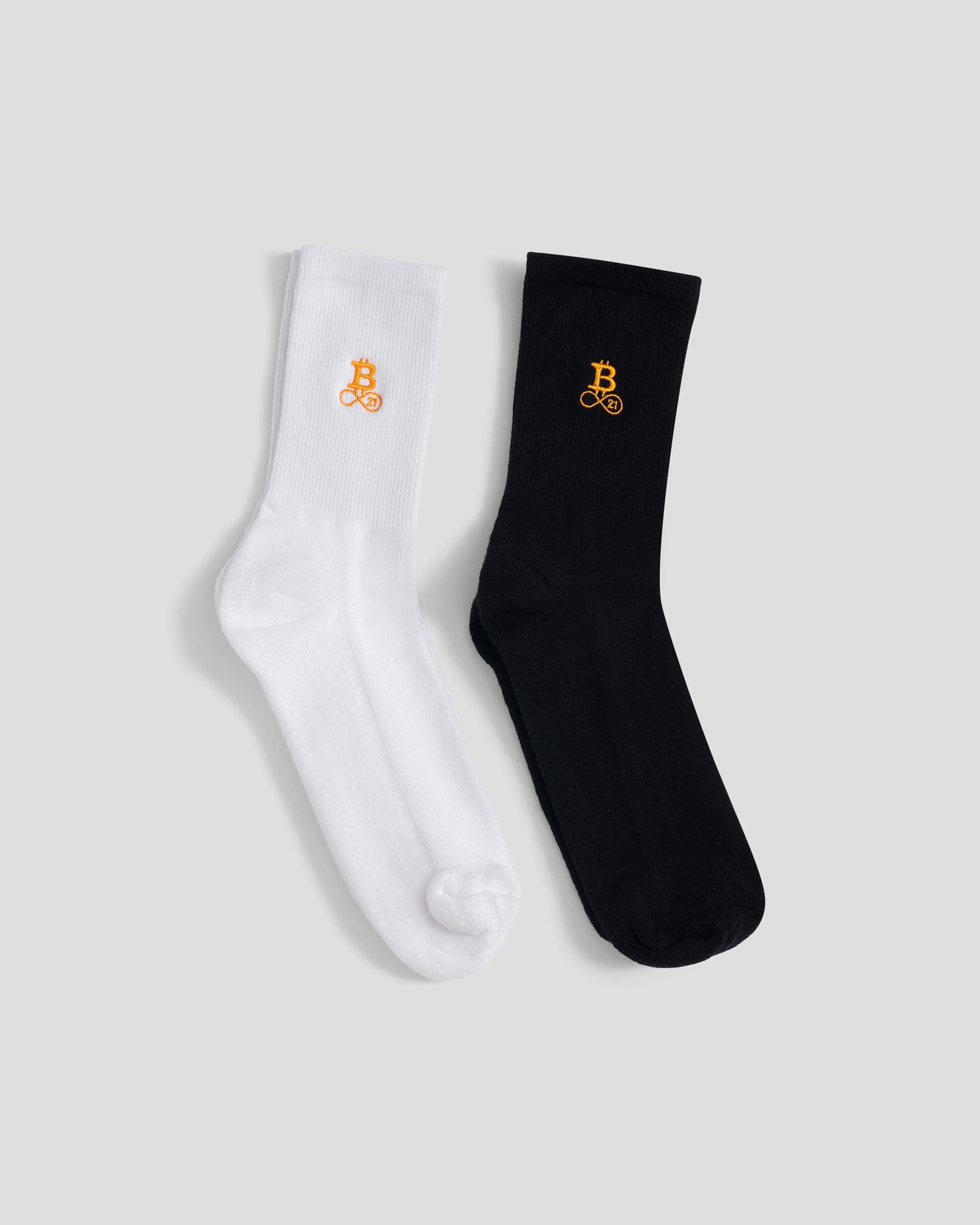
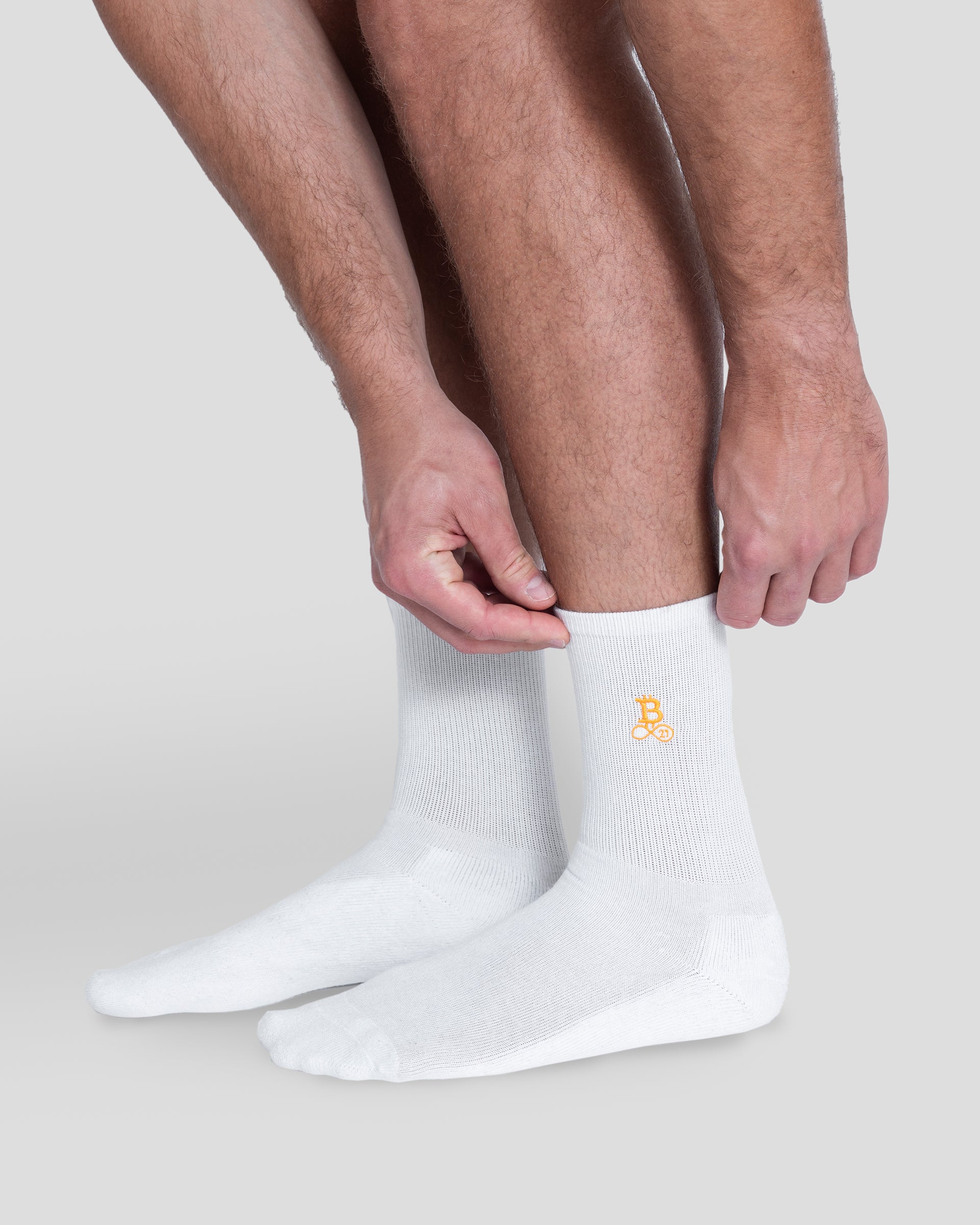
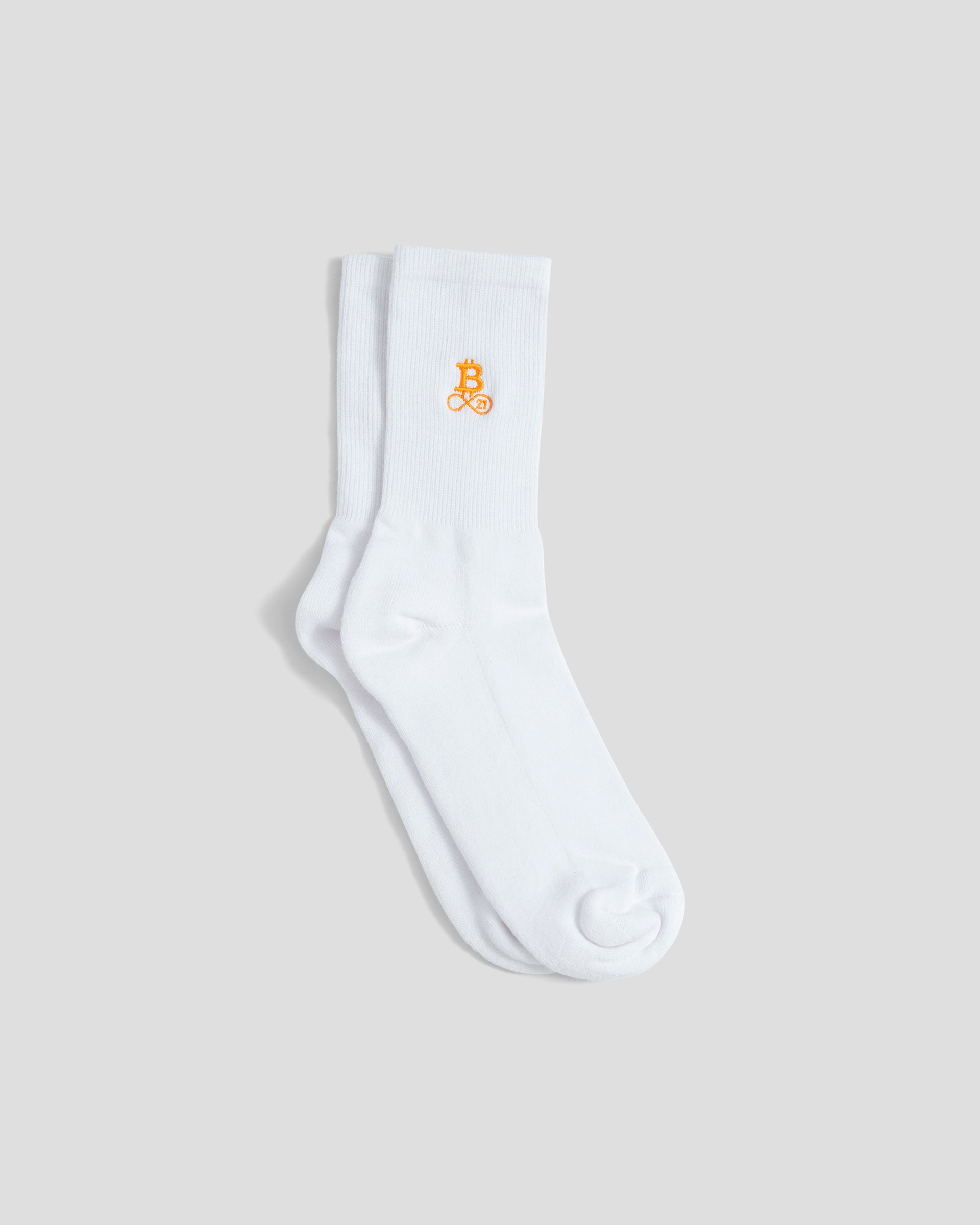
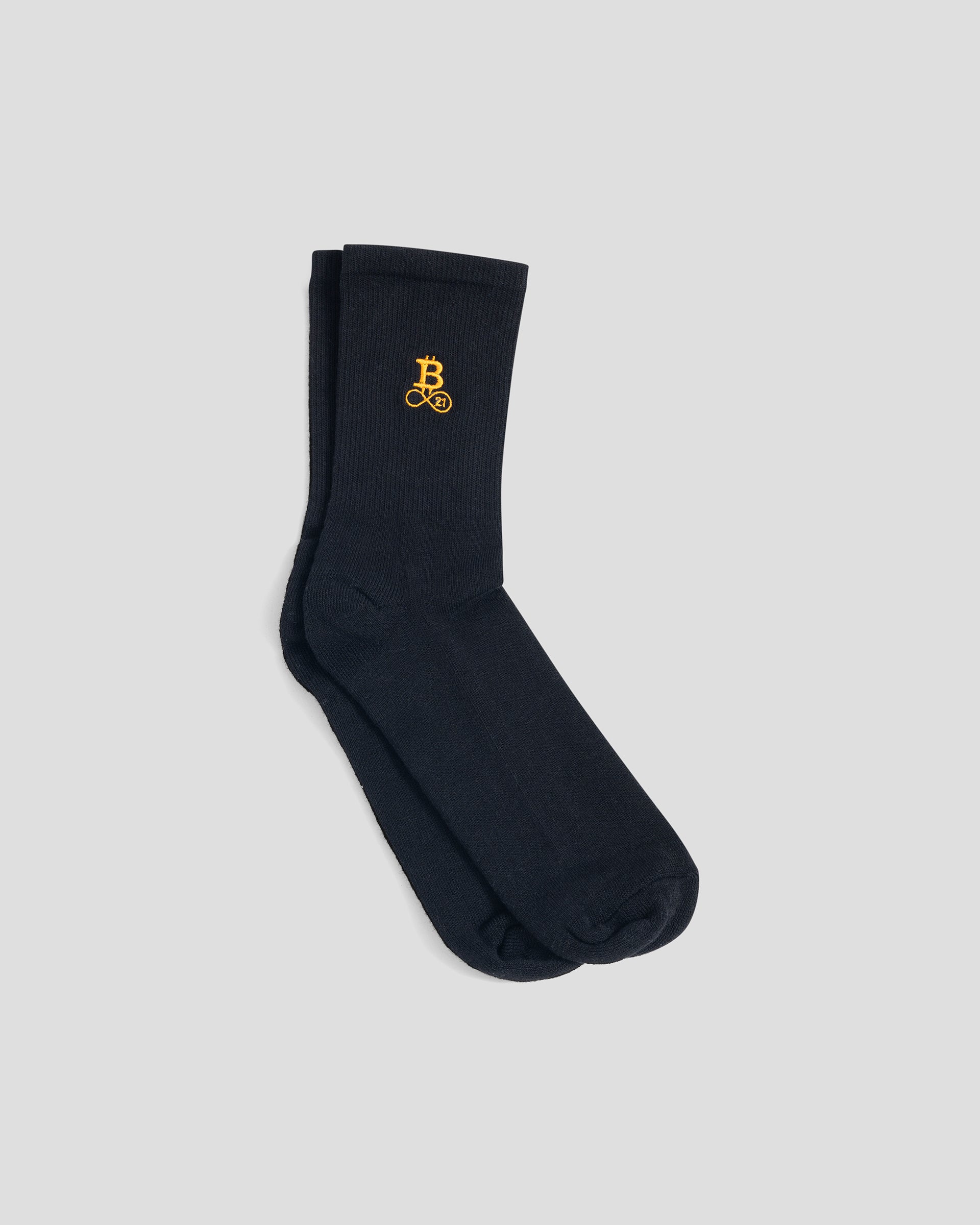
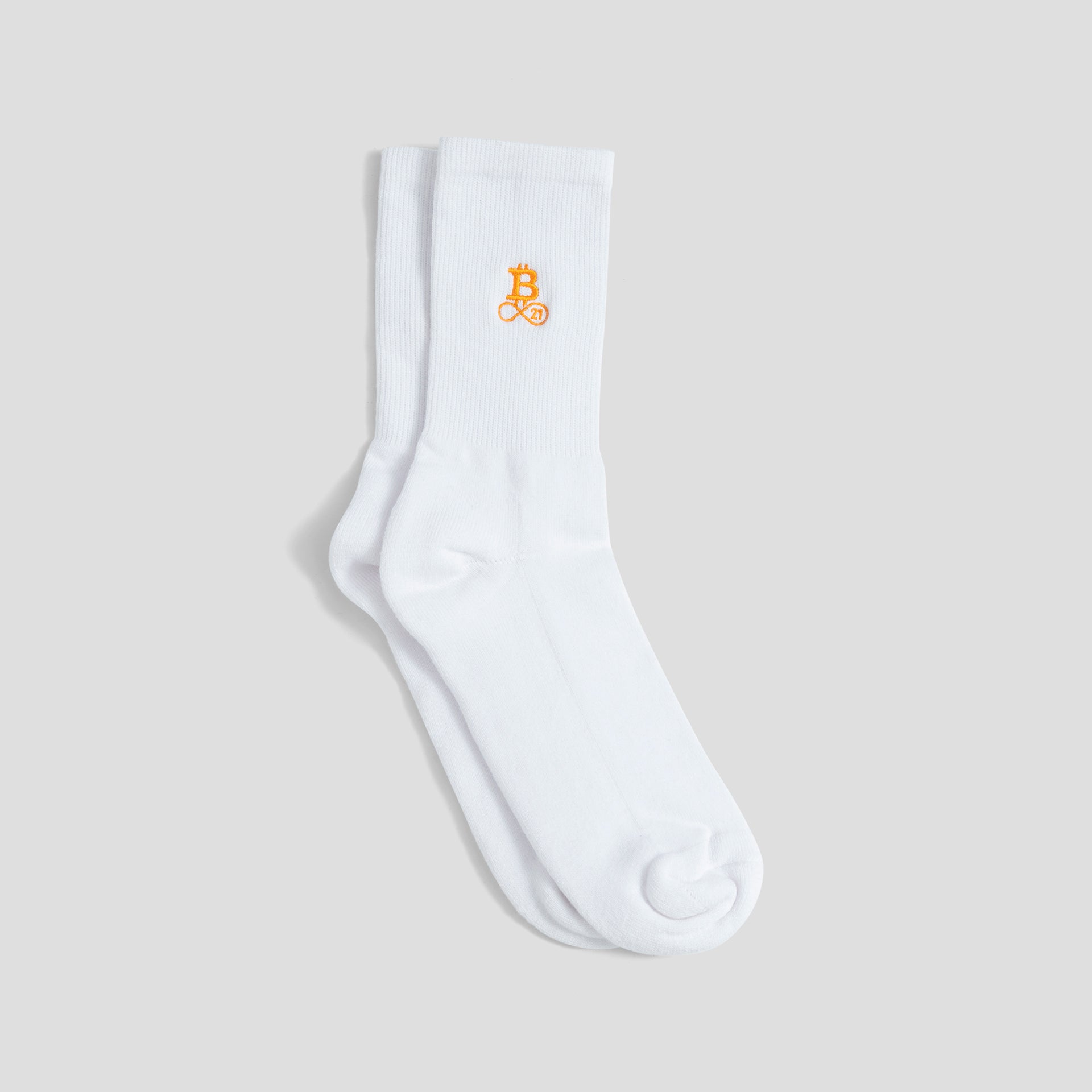
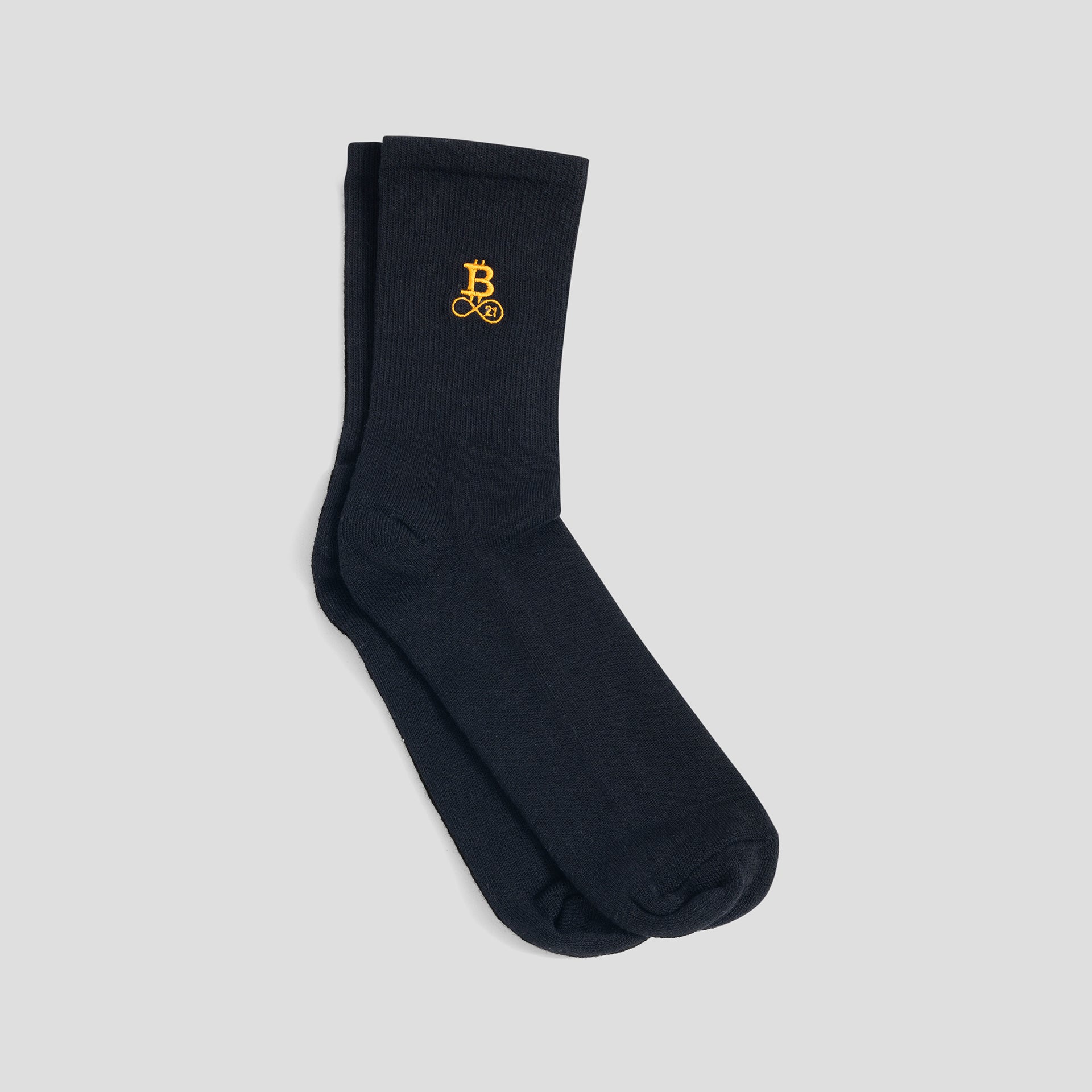
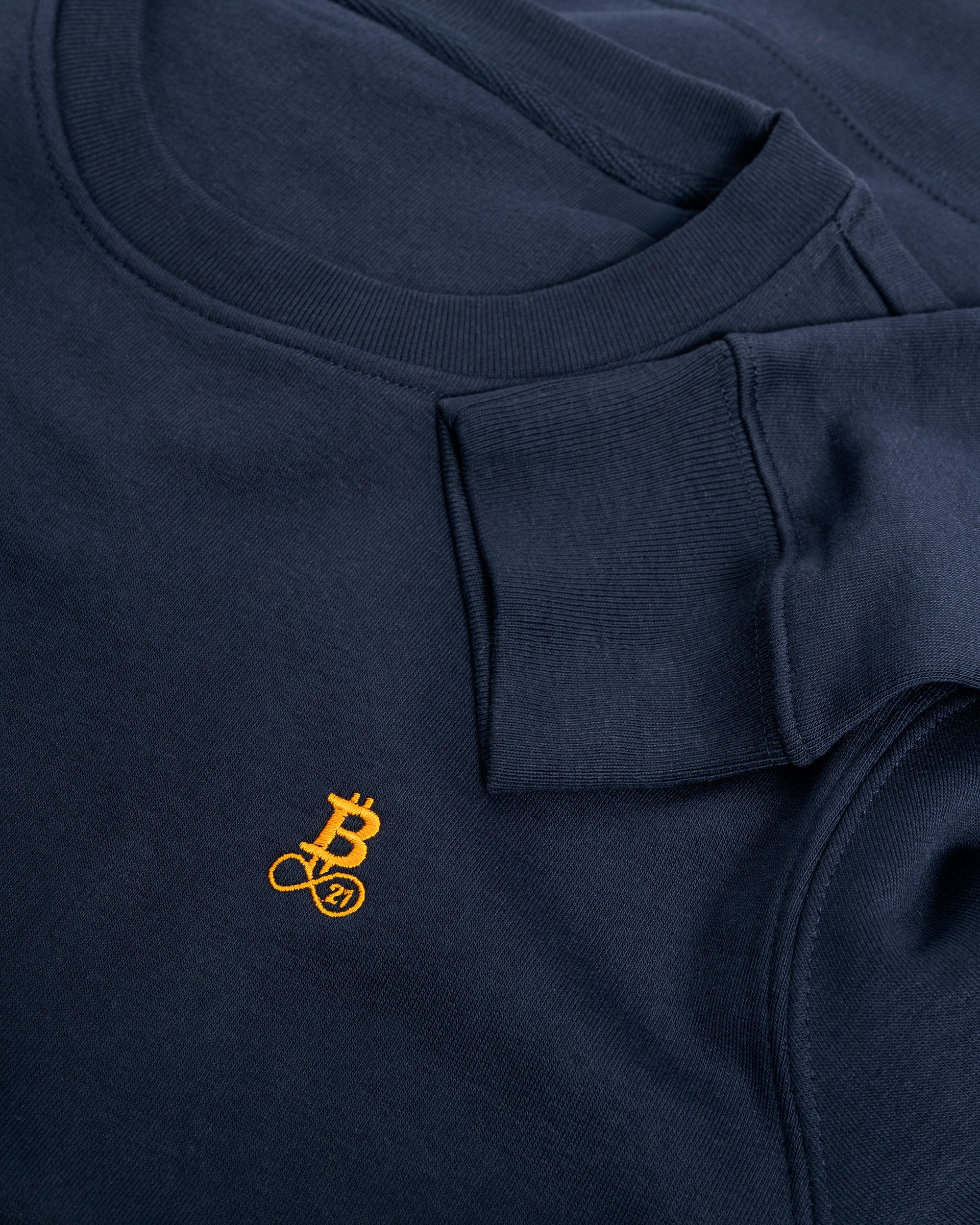
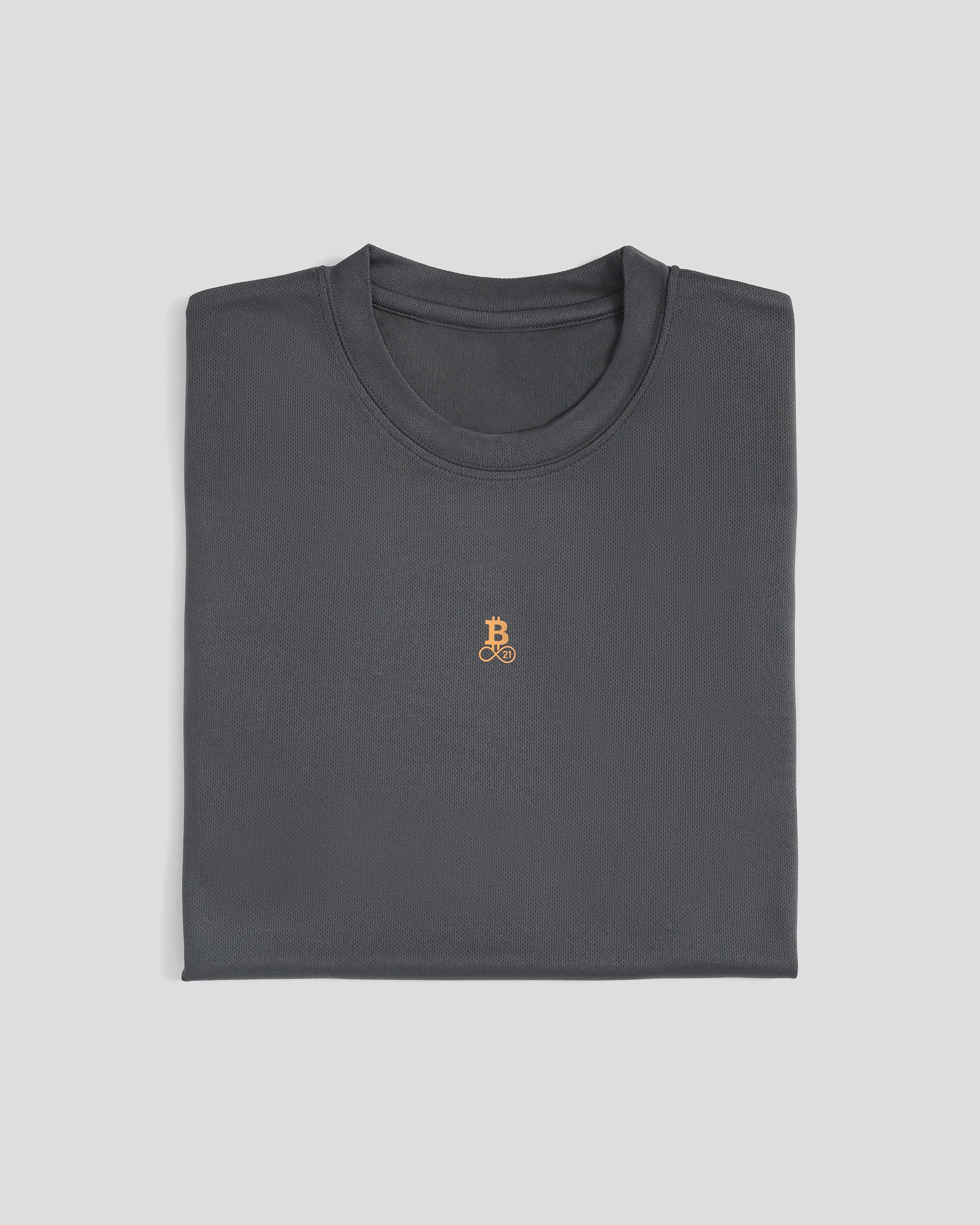
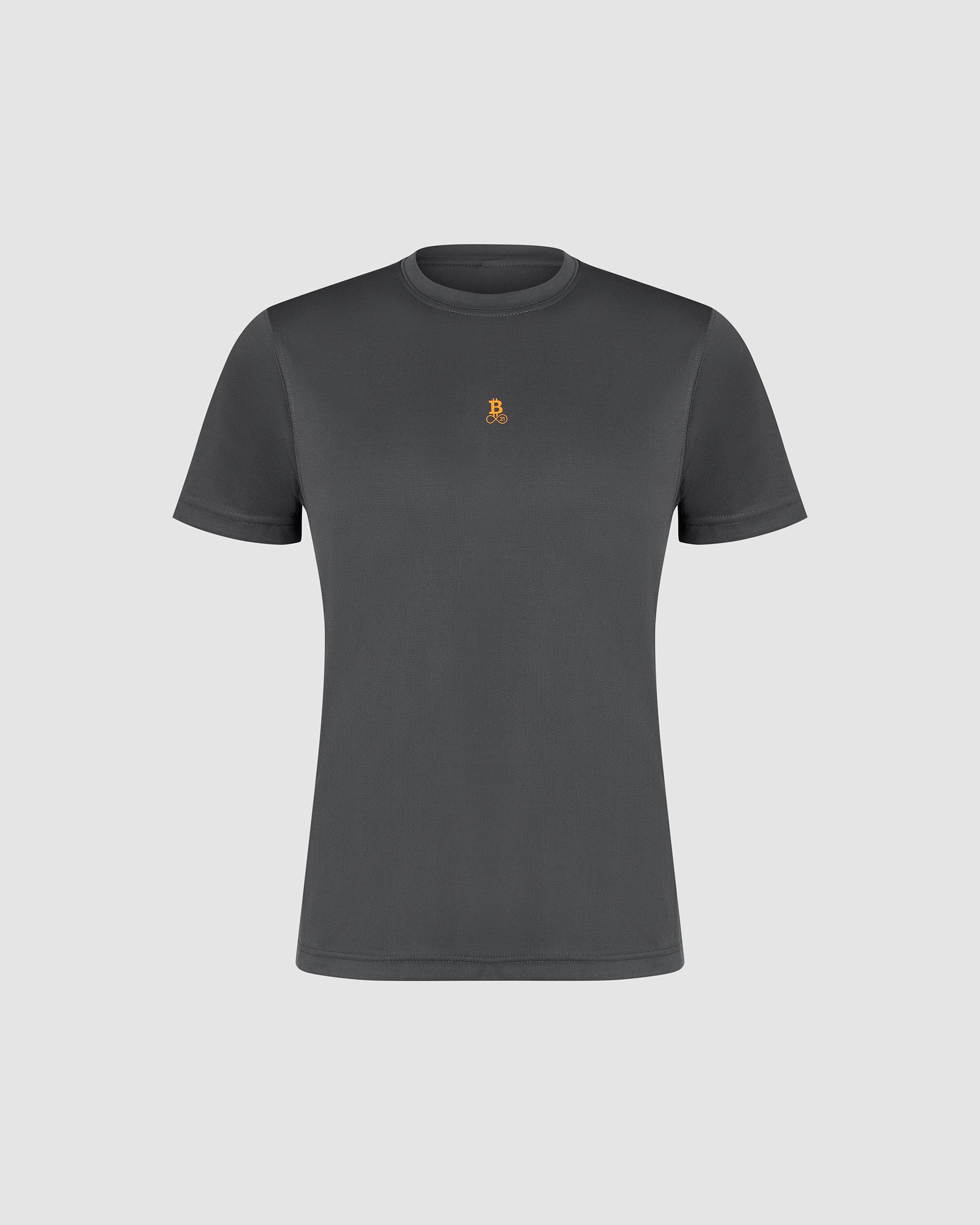
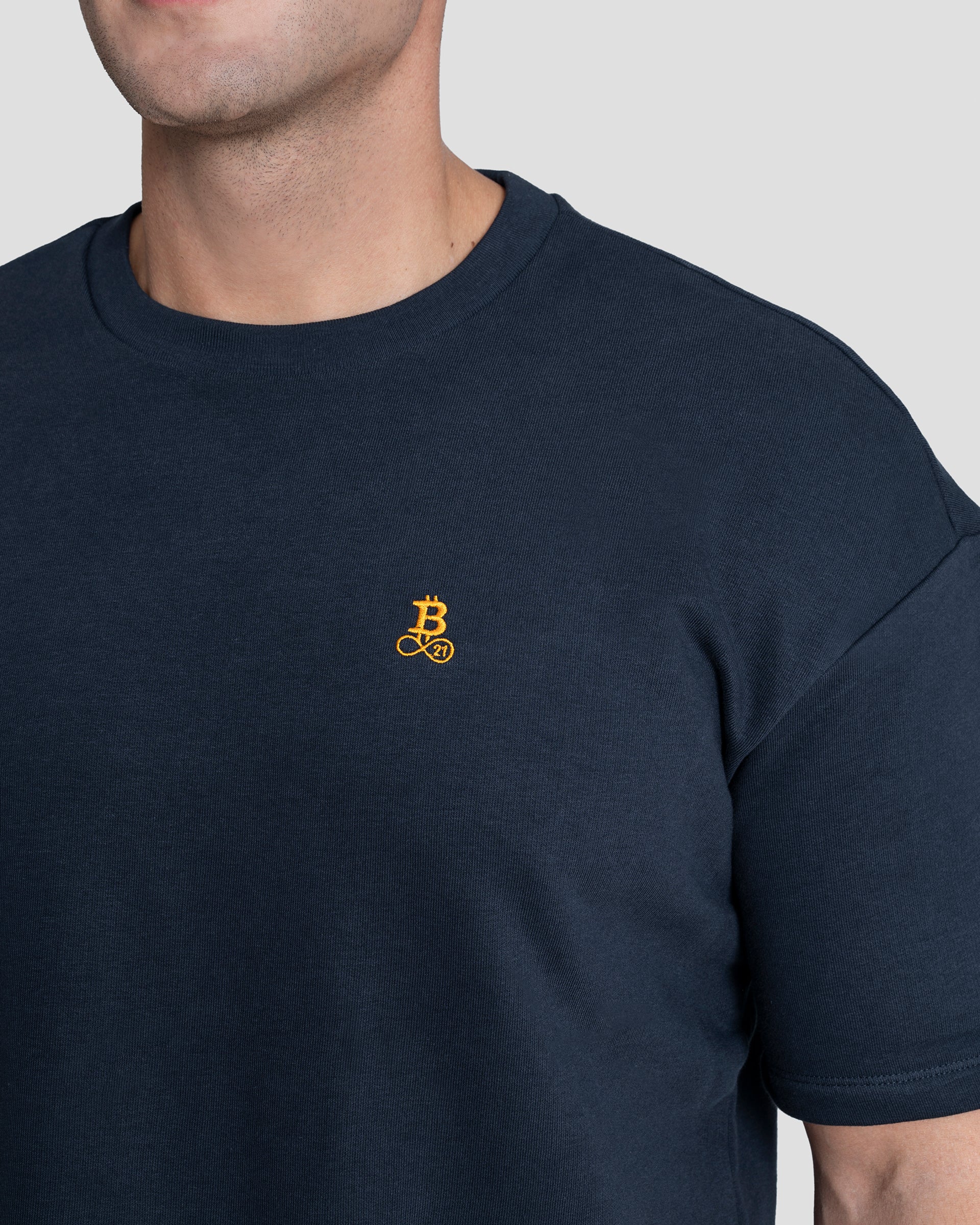
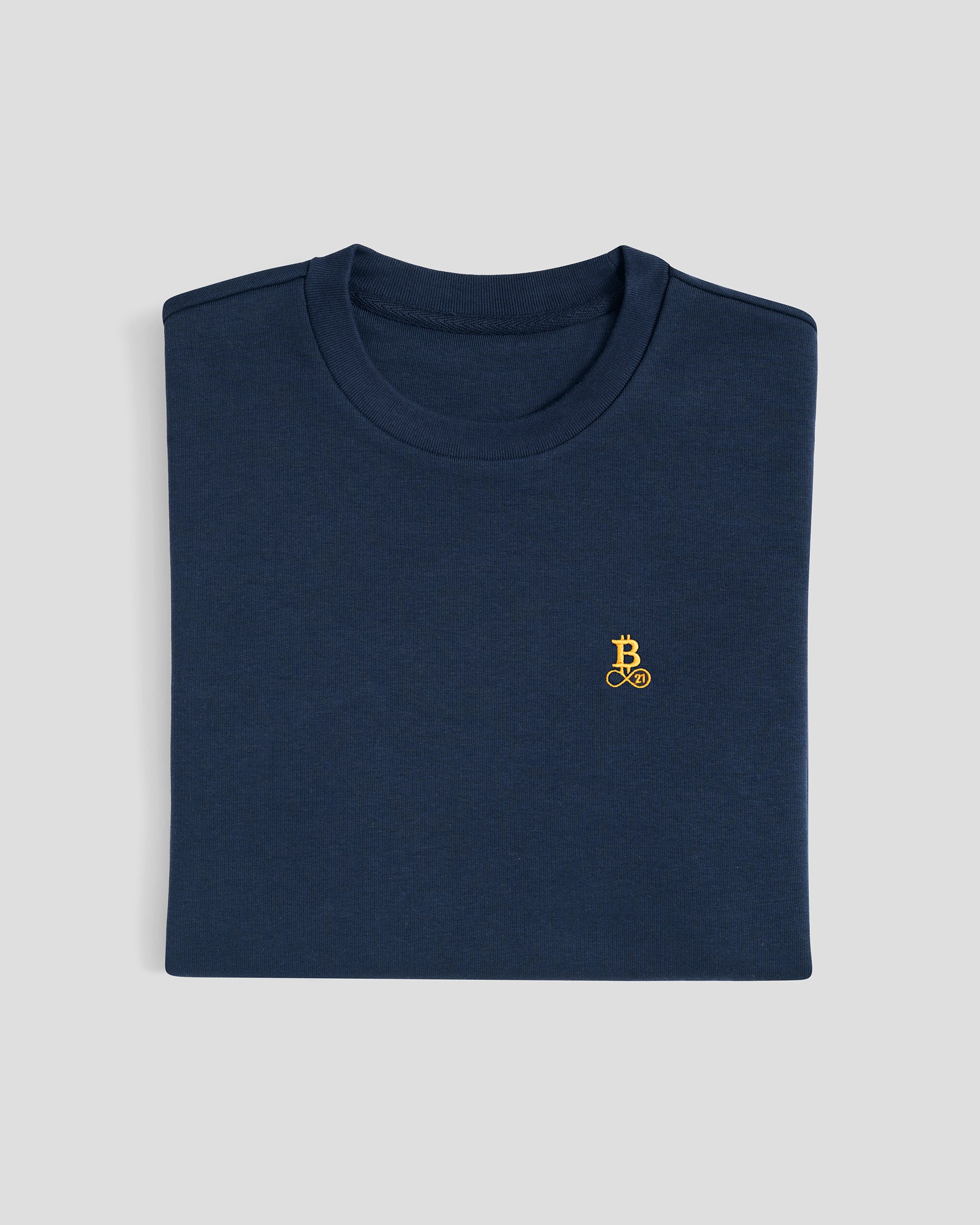
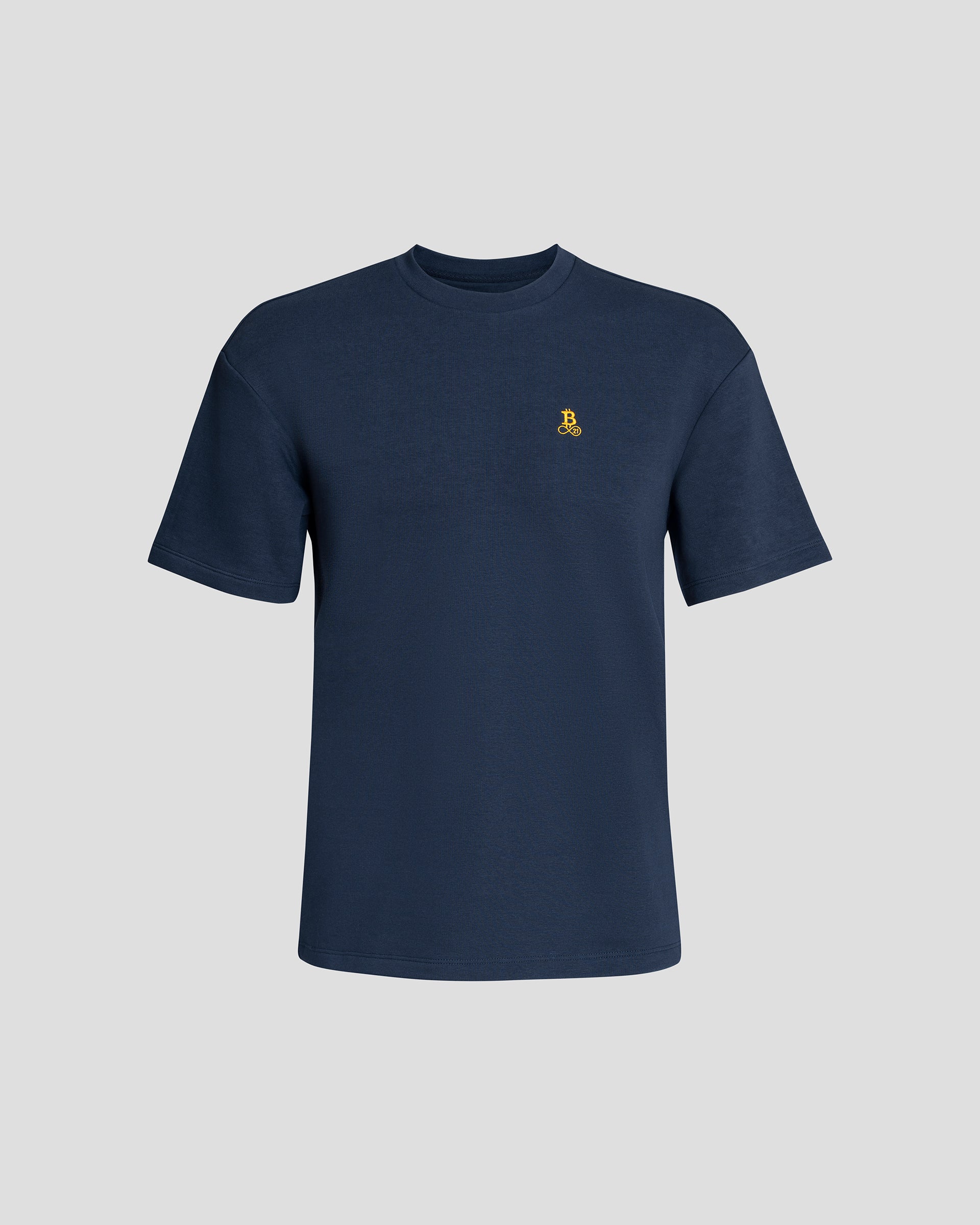
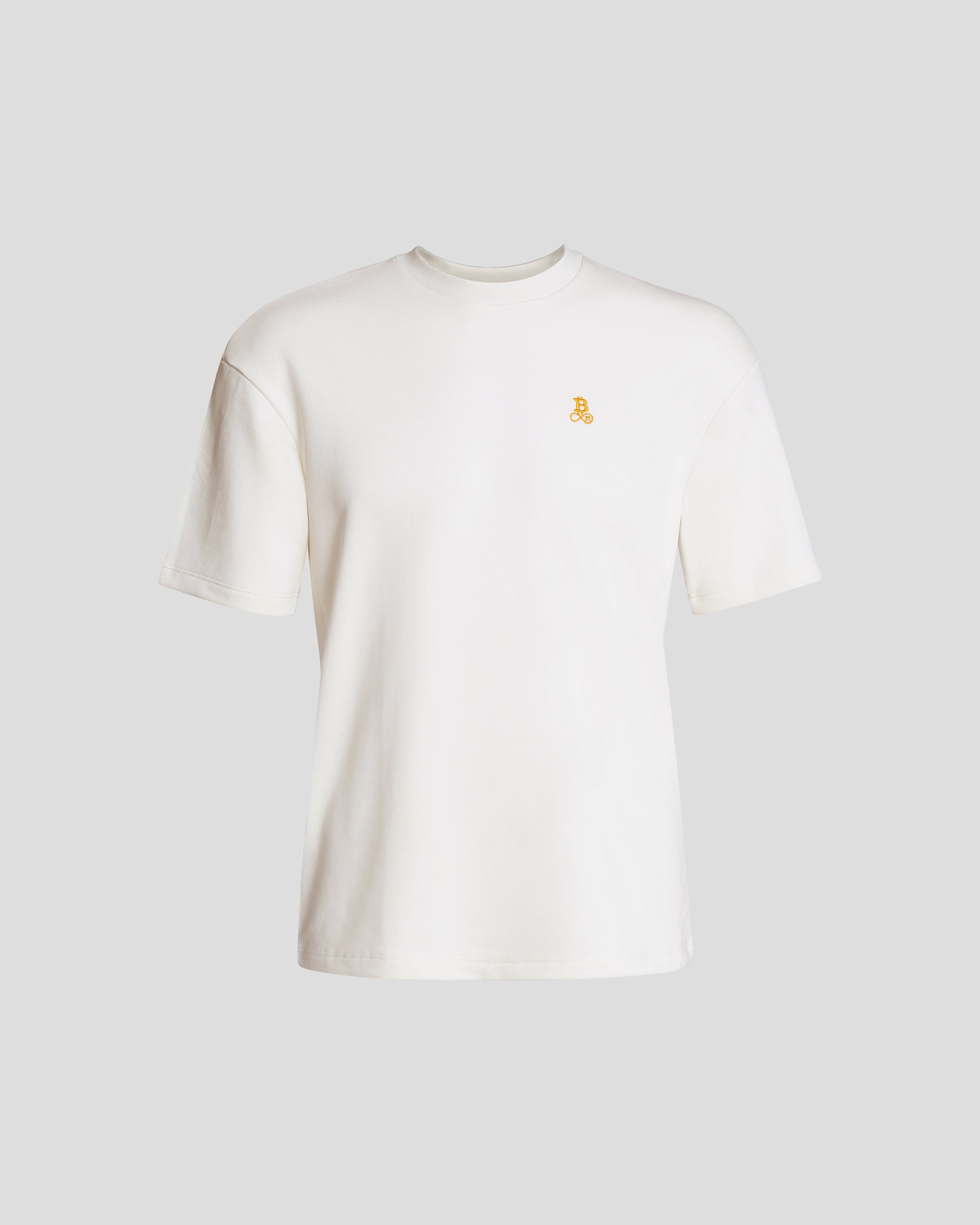
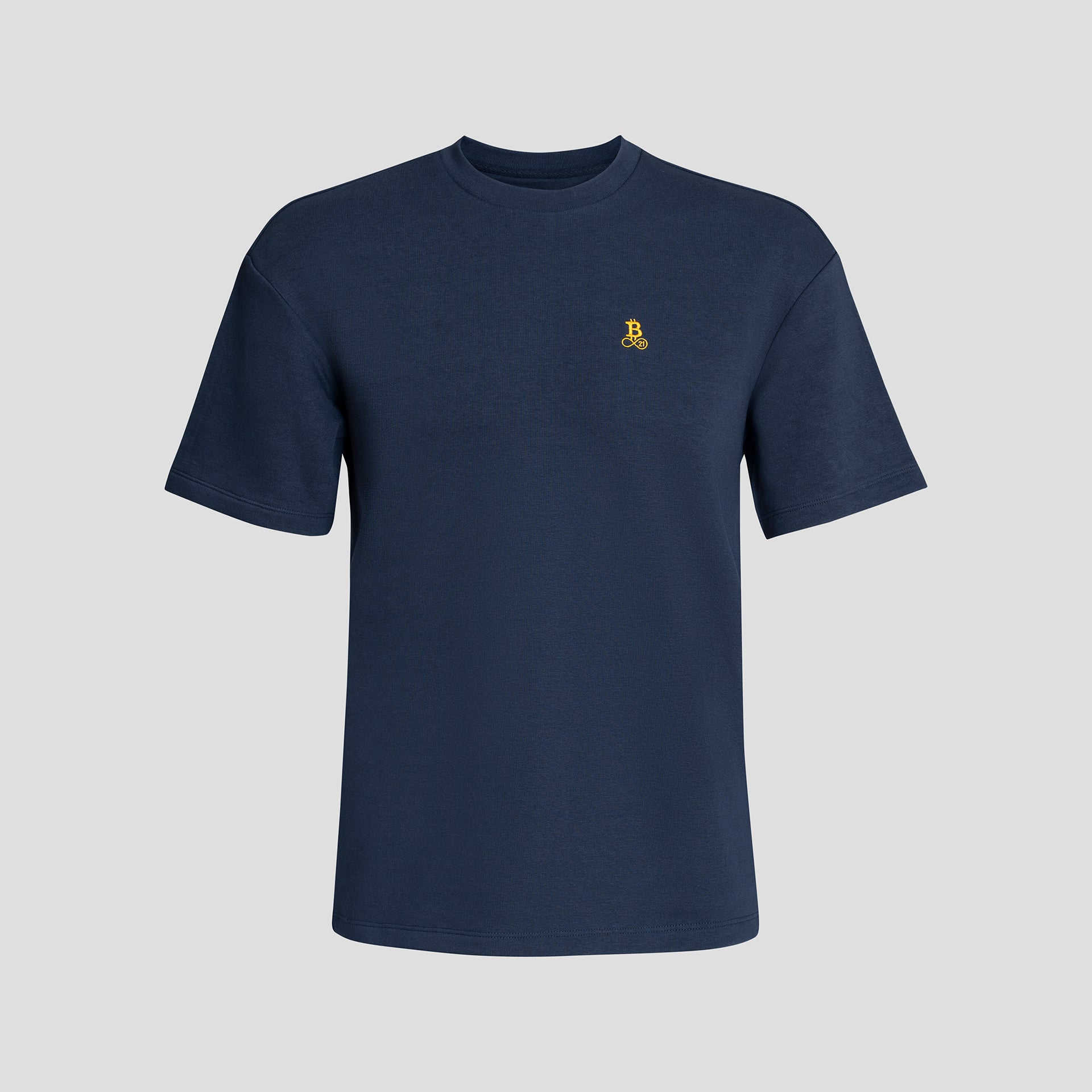
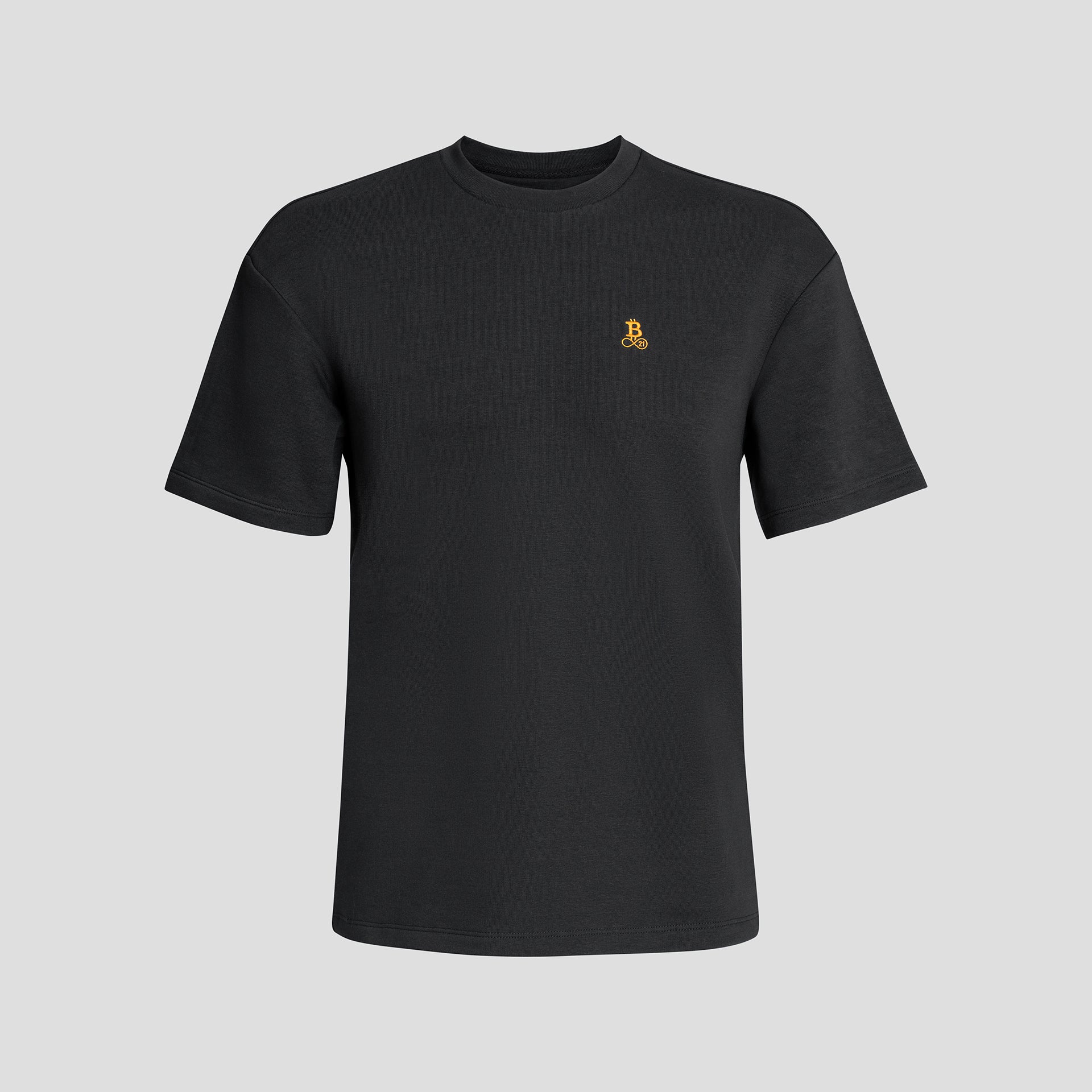
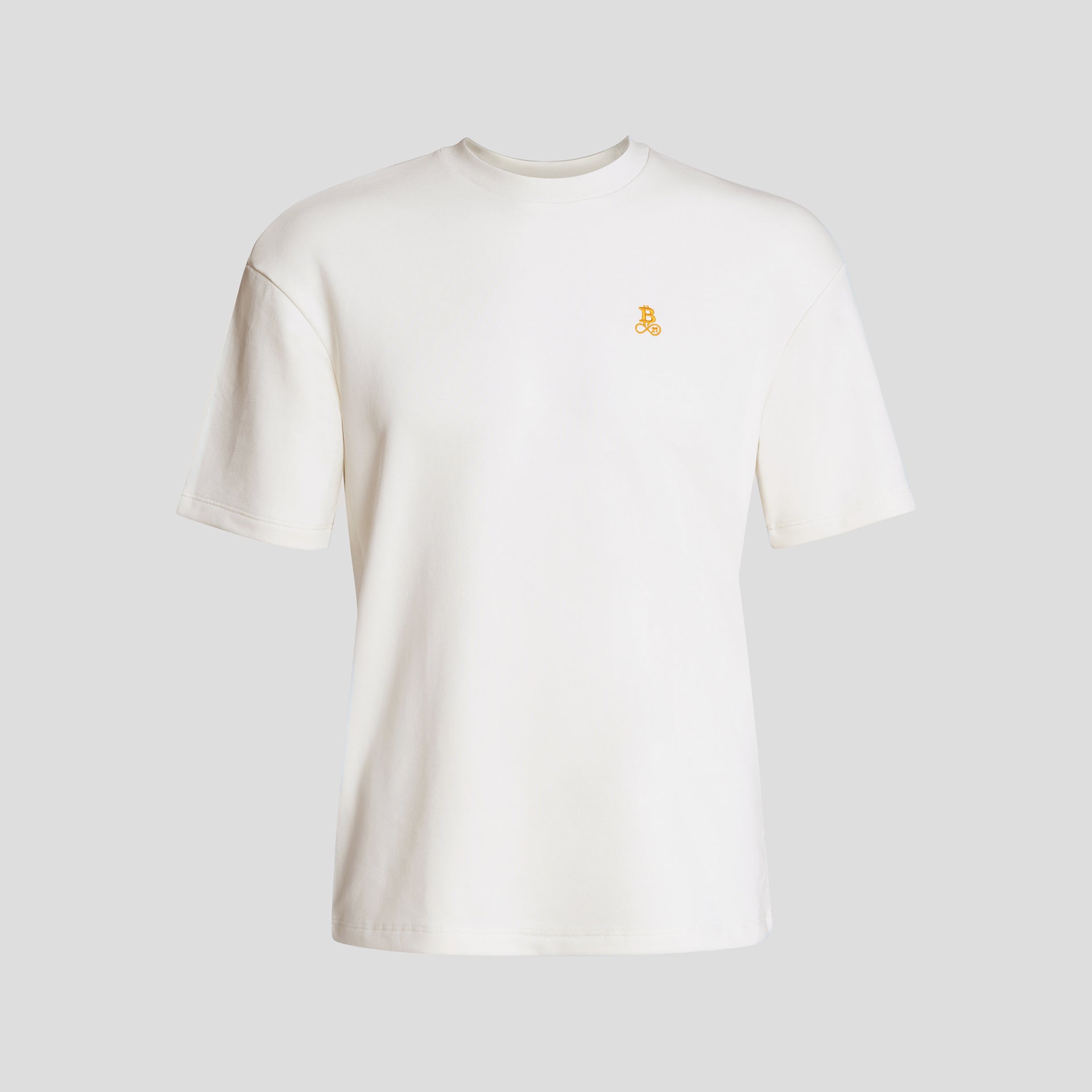
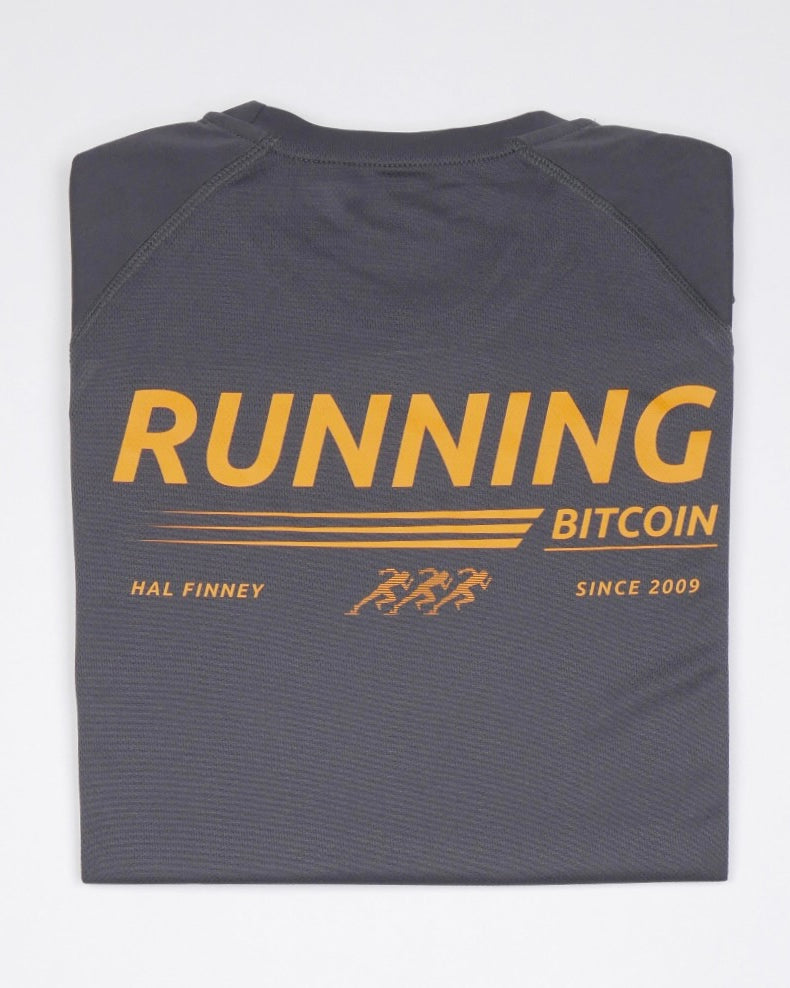
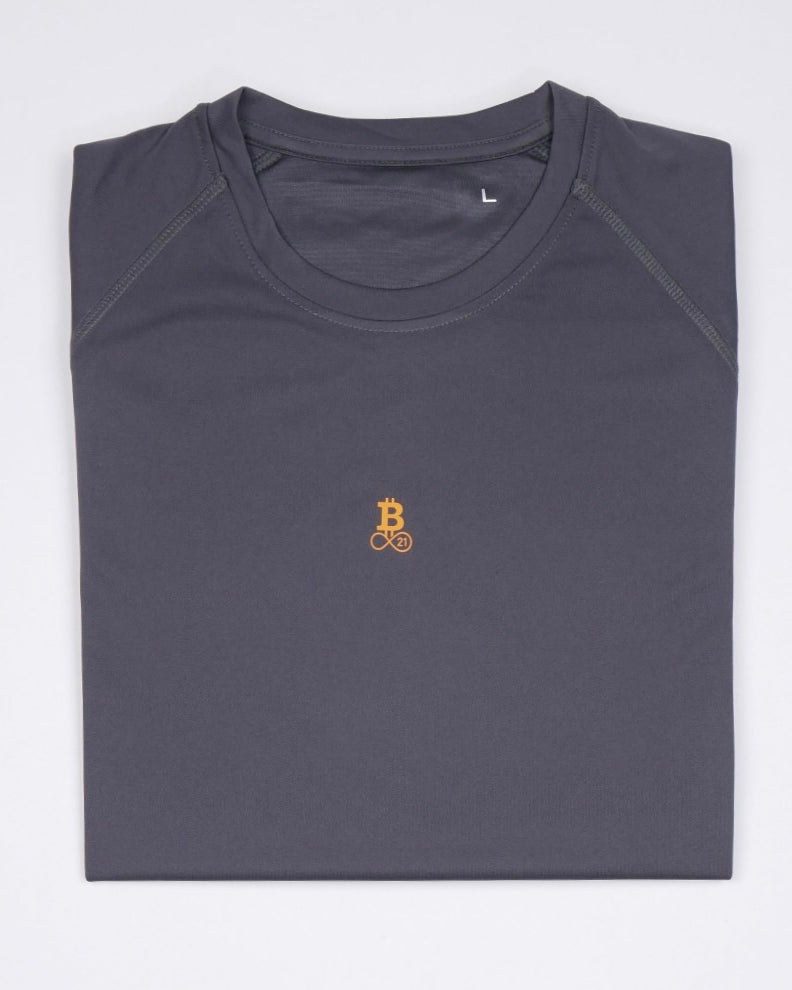
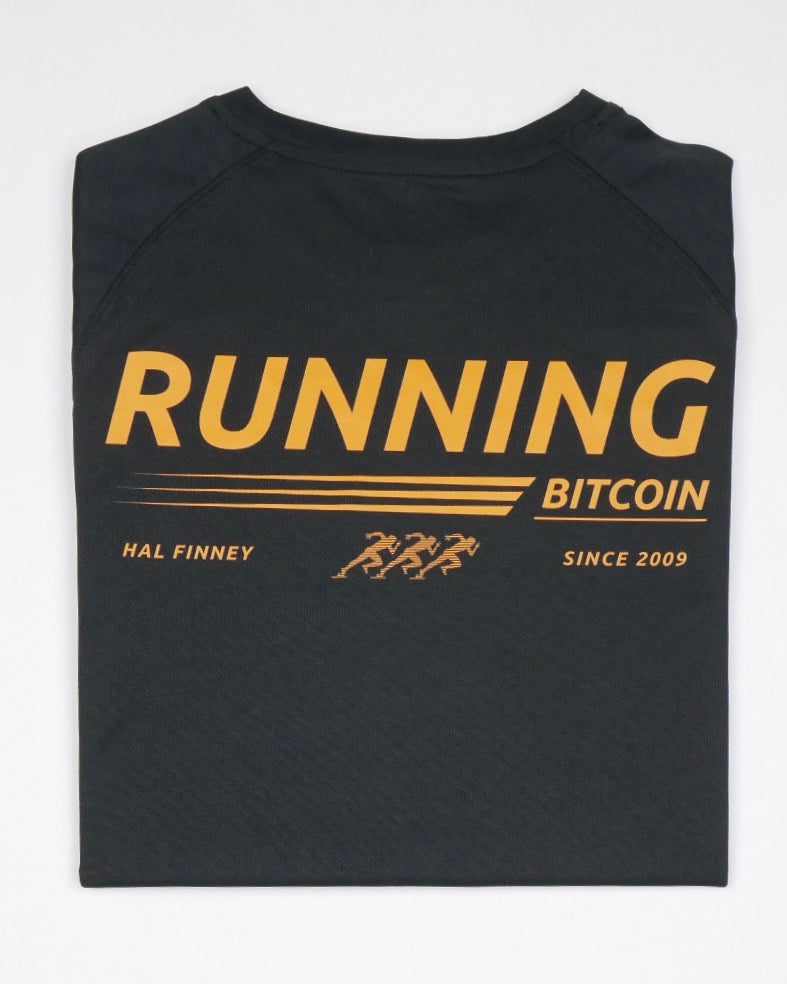
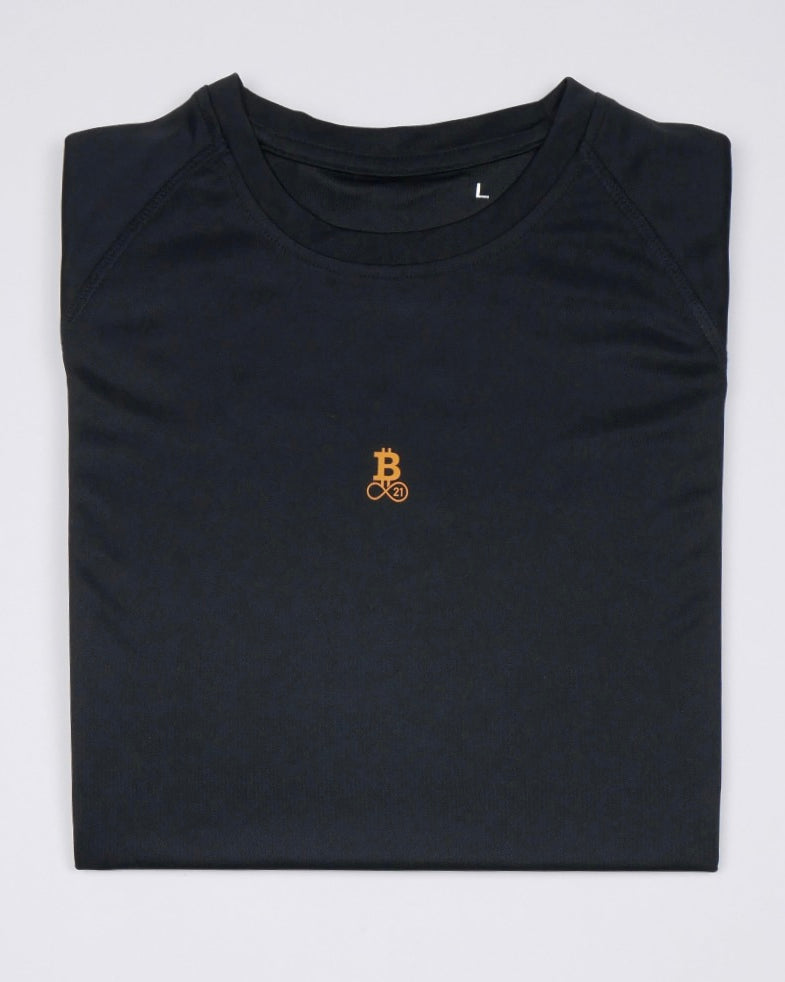
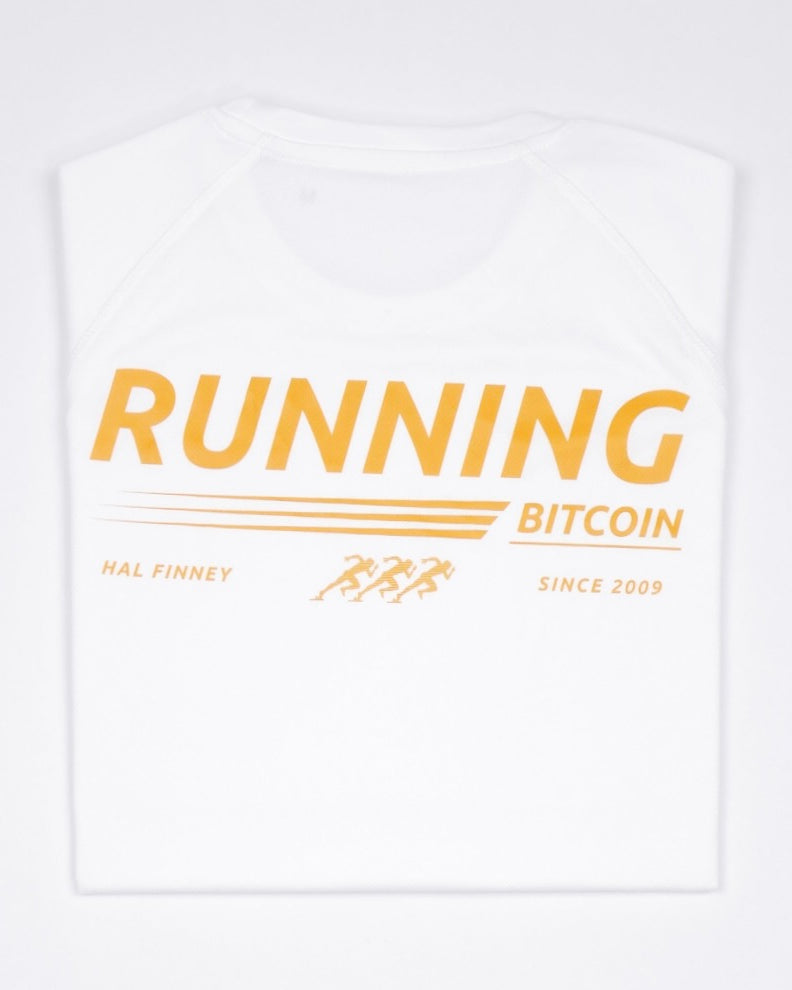
The 21 in Bitcoin21 isn't a coincidence. It stands for the fixed cap that, for us, is what Bitcoin is all about. Our pieces, like our Bitcoin T-shirts, come with the logo in orange or subtly tone on tone.
Once you start thinking in sats, a lot of things look different. Suddenly you're converting a purchase into sats and asking yourself whether it's really worth it to you. You plan further ahead and buy more consciously. That's exactly what low time preference is about, and we've written about that too.
Common questions about 21 million Bitcoin
Why is Bitcoin limited?
Bitcoin's rules say that the reward for a new block is cut in half every 210,000 blocks. That adds up to a cap of just under 21 million Bitcoin. So nobody can create new Bitcoin whenever they feel like it.
Can the 21 million limit be changed?
That would mean changing the consensus rules that every Bitcoin node checks for itself. A change like that won't go through without the support of most users and node operators, and they're exactly the ones who value Bitcoin for its fixed supply.
How many Bitcoin are there already?
The 20-millionth Bitcoin was mined in March 2026. Until the next halving, 3.125 Bitcoin are added with every block.
When will the last Bitcoin be mined?
The final fractions are expected to be mined around the year 2140. After that, miners will only receive transaction fees.
What is a halving?
In a halving, the reward miners get for a new block is cut in half. It happens every 210,000 blocks, so roughly every four years. The last halving was in April 2024.
Keep stacking sats, Tobi & Henry